
Senate Warns Wildlife Shortage of Food Is Driving Animals Into Communities
Abstract
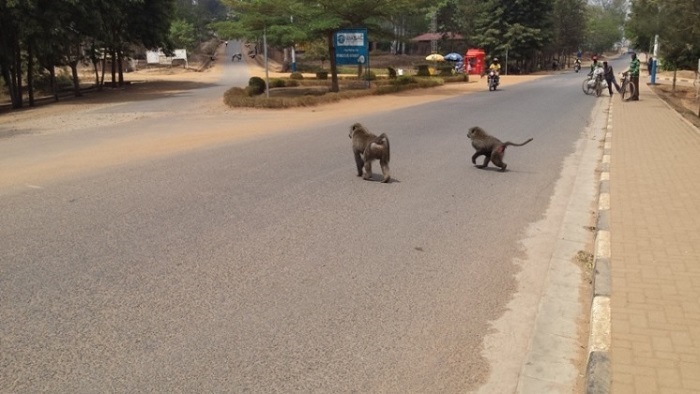
Rwanda's Senate has been informed that wild animals are leaving national parks and attacking people, causing property damage, due to a perceived shortage of food within protected areas. This development raises concerns about the management of wildlife reserves and the potential consequences for human safety and property rights. The Senate's attention to this issue highlights the need for effective conservation strategies and the importance of balancing human needs with environmental protection.
Introduction
The recent warning from Rwanda's Senate regarding wild animals leaving national parks has sparked concerns about the management of wildlife reserves in the country. According to reports, the Senate was informed that a lack of sufficient food within protected areas may be driving animals into communities, resulting in attacks on people and property damage. This development is significant as it highlights the need for effective conservation strategies and the importance of balancing human needs with environmental protection.
Background
Rwanda has made significant strides in wildlife conservation efforts in recent years, including the establishment of several national parks and protected areas. However, the Senate's warning suggests that there may be underlying issues with the management of these reserves, potentially leading to conflicts between humans and wildlife. The Rwandan government has a statutory obligation to protect both human life and property, as well as the country's natural resources.
Analysis
The Senate's warning raises important questions about the effectiveness of Rwanda's conservation strategies and the need for more robust management practices within national parks. It is essential that the government takes immediate action to address the perceived shortage of food within protected areas and implement measures to prevent further conflicts between humans and wildlife. This may involve reviewing existing policies and regulations, as well as investing in infrastructure and resources to support effective conservation efforts.
Conclusion
The Senate's warning regarding wild animals leaving national parks is a critical reminder of the importance of balancing human needs with environmental protection. Practitioners should be aware of the potential consequences of inadequate conservation strategies and the need for effective management practices within wildlife reserves. As the situation continues to unfold, it will be essential for the government to take proactive steps to address the underlying issues and prevent further conflicts between humans and wildlife.
How does this affect your business?
Get an AI analysis of this article grounded in your jurisdictions, practice areas, and any policy documents you've uploaded to Wansom.