
Security firm director arraigned over Sh5.4mn procurement fraud at Keroka Technical Training Institute
Abstract
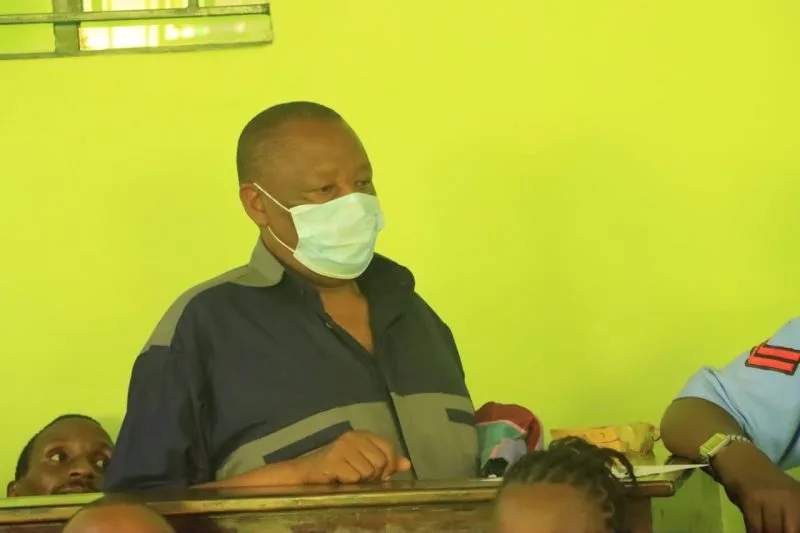
Gilbert Momanyi Maturwe, a director of Gimo Security and Investigation Services Limited, has been arraigned before the Chief Magistrate's Court in Kisii, facing charges related to a Sh5.4 million procurement fraud at Keroka Technical Training Institute. The charges, approved by the Director of Public Prosecutions following investigations by the Ethics and Anti-Corruption Commission (EACC), include procurement fraud, uttering a false document, and fraudulent acquisition of public property. The allegations stem from a security services contract where the company purportedly received full payment despite deploying fewer guards than agreed, and submitted a falsified Tax Compliance Certificate during the tendering process. This case underscores Kenya's ongoing commitment to combating corruption and ensuring accountability in public procurement.
Introduction
The integrity of public procurement processes in Kenya has once again been brought into sharp focus with the recent arraignment of Gilbert Momanyi Maturwe, a director of Gimo Security and Investigation Services Limited. Mr. Maturwe appeared before the Chief Magistrate's Court in Kisii to answer to charges of procurement fraud, uttering a false document, and fraudulent acquisition of public property, amounting to Sh5.4 million, allegedly committed at Keroka Technical Training Institute.
This development highlights the persistent efforts by anti-corruption agencies, particularly the Ethics and Anti-Corruption Commission (EACC) and the Office of the Director of Public Prosecutions (ODPP), to safeguard public funds and enforce accountability in the tendering and execution of government contracts. The case serves as a critical reminder to both public entities and private contractors of the stringent legal framework governing public procurement in Kenya and the severe consequences of non-compliance and fraudulent practices. This article will delve into the legal context of this case, examining the relevant statutes and their implications for legal practitioners and businesses operating within Kenya's public sector.
Background
Kenya's legal framework for combating corruption and ensuring transparency in public procurement is primarily anchored in the Public Procurement and Asset Disposal Act, 2015 (PPADA), and the Anti-Corruption and Economic Crimes Act, 2003 (ACECA). The PPADA, enacted to give effect to Article 227 of the Constitution, aims to establish procedures for efficient public procurement and asset disposal by public entities, promoting competition, integrity, fairness, transparency, and accountability. It sets out the rules and regulations that public institutions, such as Keroka Technical Training Institute, must adhere to when acquiring goods and services.
Complementing the PPADA is the ACECA, which provides a comprehensive legal framework for the investigation, prosecution, prevention, and recovery of assets related to corruption and economic crimes. This Act defines various corruption offences, including bribery, fraud involving public property, and abuse of office, and prescribes penalties ranging from fines to imprisonment and asset forfeiture. The Ethics and Anti-Corruption Commission (EACC) is the primary institution mandated to investigate such allegations, and upon conclusion of its investigations, it forwards the case files to the Director of Public Prosecutions (ODPP) for review and approval of charges.
The EACC's role is crucial in upholding public trust and ensuring that public resources are utilized judiciously. Its investigations often uncover schemes involving falsified documents, inflated costs, and non-delivery of contracted services, all of which undermine the principles of good governance enshrined in the Constitution. The arraignment of individuals like Gilbert Momanyi Maturwe is a direct outcome of these institutional efforts to enforce the robust anti-corruption architecture in place.
Analysis
The charges leveled against Gilbert Momanyi Maturwe—procurement fraud, uttering a false document, and fraudulent acquisition of public property—fall squarely within the ambit of the Anti-Corruption and Economic Crimes Act, 2003, and are in direct contravention of the principles espoused in the Public Procurement and Asset Disposal Act, 2015. Specifically, the allegation that Gimo Security and Investigation Services Limited continued to receive full payments for a security services contract despite a reduction in the number of deployed guards points to a potential breach of contract terms and a fraudulent acquisition of public funds. Such actions constitute a direct loss to the public entity, Keroka Technical Training Institute, and ultimately to the taxpayer.
Furthermore, the claim that a Tax Compliance Certificate submitted during the tendering process was falsified and did not originate from the Kenya Revenue Authority system is a serious offence of uttering a false document. This undermines the integrity of the entire tendering process, which relies on the authenticity of submitted documents to ensure fair competition and compliance with regulatory requirements. The PPADA emphasizes transparency and fairness, and the submission of false documents directly subverts these objectives. Directors of companies involved in such schemes face significant personal liability, as courts in Kenya, and other jurisdictions, have increasingly held directors accountable for misconduct, sometimes even piercing the corporate veil to ensure justice.
The Chief Magistrate's Court in Kisii, where Mr. Maturwe was arraigned, possesses the necessary criminal jurisdiction to hear and determine cases involving economic crimes. The Anti-Corruption and Economic Crimes Act, 2003, provides for the appointment of special magistrates to try corruption, bribery, and economic crimes, ensuring specialized handling of such matters. This is consistent with the broader judicial reforms aimed at expediting the resolution of corruption cases. Previous cases handled by the EACC and ODPP, such as convictions in the Mombasa County Assembly for fraudulent procurement practices and the Kenya Pipeline Company procurement scandal, demonstrate the judiciary's commitment to imposing penalties, including fines and imprisonment, for those found guilty of procurement fraud and economic crimes. Mr. Maturwe has pleaded not guilty to the charges and was released on bail, with the case scheduled for mention, indicating the commencement of a potentially protracted legal battle.
This case serves as a stark reminder of the EACC's proactive stance in investigating and recommending prosecution for procurement irregularities, as evidenced by their prevention of potential losses estimated at KES 16.5 billion through proactive investigations in various procurement processes. The charges, if proven, carry significant penalties under ACECA, including substantial fines and terms of imprisonment, alongside potential orders for compensation and forfeiture of improperly acquired benefits.
Conclusion
The arraignment of Gilbert Momanyi Maturwe for alleged procurement fraud at Keroka Technical Training Institute sends a clear message regarding the unwavering commitment of Kenyan authorities to combat corruption in public sector dealings. For legal practitioners, this case underscores the critical importance of advising clients, particularly those engaged in public tenders, on strict adherence to the Public Procurement and Asset Disposal Act, 2015, and the Anti-Corruption and Economic Crimes Act, 2003. Robust internal compliance frameworks, thorough due diligence in all aspects of tender submissions, and ethical conduct are not merely best practices but legal imperatives.
Businesses must ensure that all documentation, including tax compliance certificates, is authentic and verifiable, and that services rendered strictly align with contractual agreements. Any deviation or misrepresentation can lead to severe legal repercussions for both the company and its directors. As this case proceeds, legal professionals should closely monitor its developments, as the outcome will likely provide further clarity on judicial interpretations and enforcement trends in procurement fraud cases. The ongoing vigilance of the EACC and ODPP means that the landscape for public procurement remains one of heightened scrutiny, demanding absolute integrity from all participants.
Citations
- 1.Anti-Corruption and Economic Crimes Act, 2003
- 2.Public Procurement and Asset Disposal Act, 2015
- 3.Tuko.co.ke (June 24 2026) - EACC Details How Firm Security Boss Earned KSh 5.4m in Suspected Fraud
- 4.KDRTV (June 24 2026) - Security Firm Director Arrested Over Alleged Ksh 5.4 Million Procurement Fraud
- 5.The Star (June 24 2026) - Sh5.4 million security contract lands company director in court
- 6.Capital FM (June 24 2026) - Security firm director arraigned over Sh5.4mn procurement fraud at Keroka Technical Training Institute
- 7.Stratford Journals - Effectiveness of Kenya's Anti-Corruption Frameworks in Public Procurement
- 8.EACC - Six years behind bars for a procurement officer for fraudulent practice
- 9.EACC - Court convicts four in the Sh550 million KPC procurement scandal
- 10.Huduma Global Guide (February 20 2026) - Corruption in Kenya: How the Ethics and Anti-Corruption Commission Works and Why It Matters
- 11.KBC Digital (June 24 2026) - EACC arrests security firm director over Ksh5.4M procurement fraud
- 12.The Judiciary - Magistrate Courts
- 13.Magistrates' Courts Act, 2015
- 14.Scribd - Kenyan Courts Criminal Jurisdiction Overview
- 15.Stratford Journals (April 28 2025) - Effectiveness of Kenya's Anti-Corruption Frameworks in Public Procurement: A Case Study of the Public Procurement and Asset Disposal Act of 2015
- 16.Scribd - Overview of Kenya's PPADA 2015