
Rwanda Enacts Law on Gender-Responsive and Child-Sensitive Approaches
Abstract
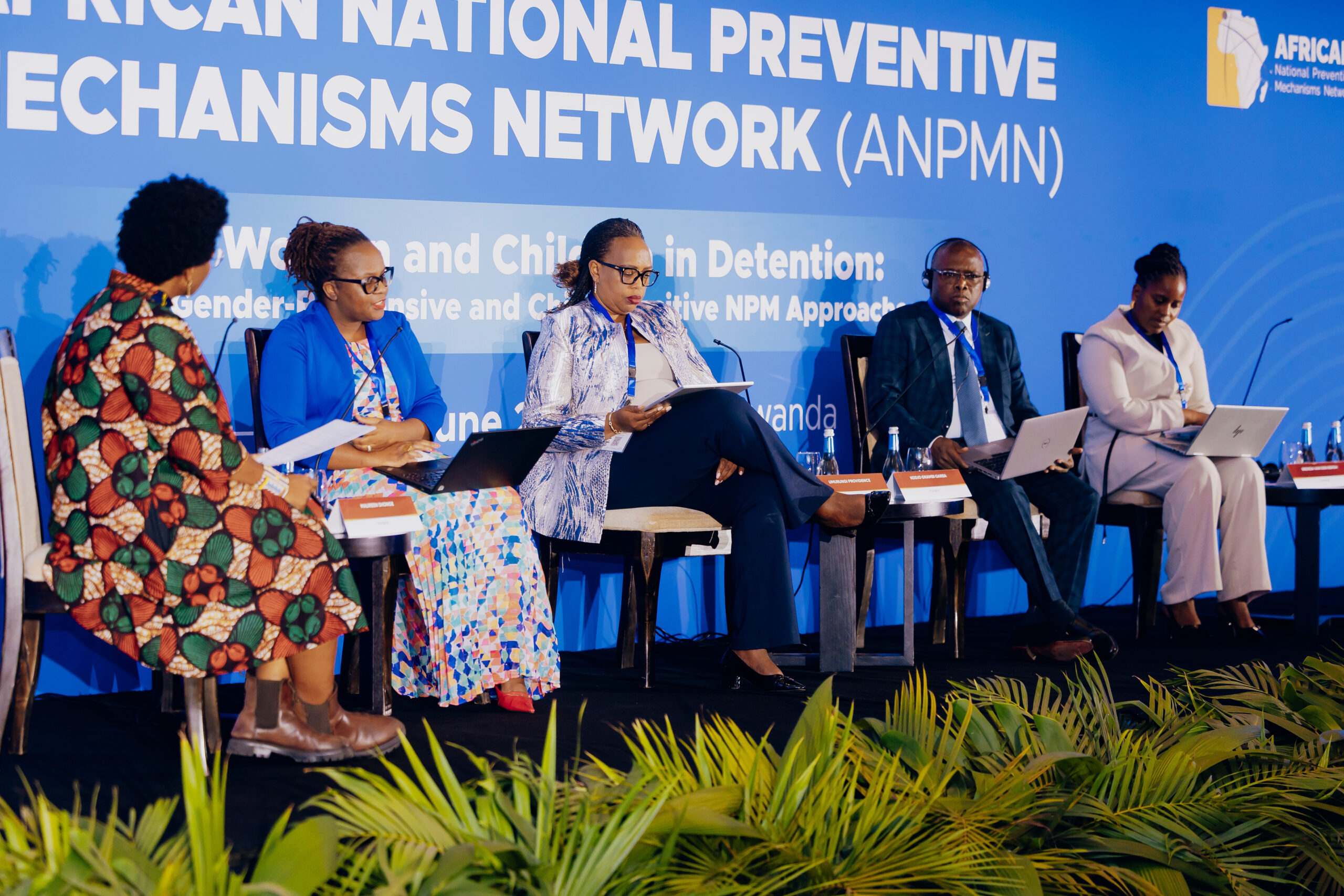
African human rights institutions, meeting in Kigali, have issued a compelling call for a fundamental shift in the approach to women and children in conflict with the law, advocating for detention to be a measure of last resort. This consensus emerged from the Fourth Annual Conference of the African National Preventive Mechanisms Network (ANPMN), highlighting that existing detention systems, largely designed for adult male offenders, exacerbate the unique vulnerabilities of women and children. The experts stressed the need for gender-responsive and child-sensitive approaches, promoting non-custodial measures, and ensuring that monitoring bodies focus on preventing human rights violations before they occur. Rwanda's recent launch of a national diversion framework for children exemplifies this evolving regional commitment.
Introduction
The discourse surrounding the treatment of vulnerable populations within the criminal justice system has long been a critical area of human rights advocacy. Recently, African human rights institutions convened in Kigali, Rwanda, at the Fourth Annual Conference of the African National Preventive Mechanisms Network (ANPMN), to address the pressing issue of women and children in detention. The overarching message from this significant gathering is a resolute call for African nations to fundamentally rethink their approach, moving away from detention as a default response and embracing it strictly as a measure of last resort for women and children in conflict with the law.
This call is not merely a recommendation but a recognition of the inherent inadequacies and harmful impacts of conventional detention systems on these specific demographic groups. Experts at the conference underscored that prisons and correctional facilities were historically designed for adult male offenders, failing to account for the distinct physical, psychological, and developmental needs of women and children. The discussions highlighted concerns ranging from inadequate reproductive healthcare for women to the profound psychological and developmental trauma inflicted upon children by incarceration. This article will delve into the legal frameworks underpinning these calls, analyze the specific vulnerabilities of women and children in detention, and explore the practical implications of adopting gender-responsive and child-sensitive approaches within African justice systems.
Background
The protection of human rights for all, particularly vulnerable groups, is enshrined in a robust tapestry of international and regional legal instruments. At the continental level, the African Charter on Human and Peoples' Rights (the Banjul Charter), adopted in 1981, serves as the foundational human rights instrument in Africa, prohibiting cruel, inhuman, or degrading treatment and affirming the right to liberty and security of person. While the Banjul Charter makes a general reference to the protection of the rights of women and children, more specific protections are elaborated in subsequent instruments.
The Protocol to the African Charter on Human and Peoples' Rights on the Rights of Women in Africa, commonly known as the Maputo Protocol, adopted in 2003, specifically addresses the rights of women, including those deprived of their liberty. It mandates States Parties to ensure the right of pregnant or nursing women or women in detention by providing them with an environment suitable to their condition and the right to be treated with dignity. Similarly, the African Charter on the Rights and Welfare of the Child (African Children's Charter), which entered into force in 1999, provides comprehensive protections for children in the justice system. Article 17 mandates special treatment for children in conflict with the law, consistent with their dignity and worth, and explicitly states that detention should be a measure of last resort and for the shortest appropriate period. Article 30 further obliges States Parties to consider non-custodial sentences for expectant mothers and mothers of infants and young children, and to ensure that a mother shall not be imprisoned with her child.
Globally, these regional instruments are complemented by United Nations standards such as the UN Standard Minimum Rules for the Treatment of Prisoners (the Nelson Mandela Rules), which emphasize the prohibition of solitary confinement for women and children. More specifically, the UN Rules for the Treatment of Women Prisoners and Non-custodial Measures for Women Offenders (the Bangkok Rules), adopted in 2010, provide detailed guidance for policymakers, legislators, and prison staff to reduce the imprisonment of women and address their unique needs. For children, the UN Standard Minimum Rules for the Administration of Juvenile Justice (the Beijing Rules), adopted in 1985, advocate for diversion from judicial proceedings and emphasize the child's well-being and rehabilitation. These frameworks collectively establish a clear international and regional expectation for a justice system that is gender-responsive and child-sensitive, prioritizing non-custodial measures.
Analysis
The recent call from African human rights experts in Kigali underscores a critical gap between these established legal frameworks and their practical implementation across the continent. A central argument is that detention systems, being historically male-centric, fail to address the specific vulnerabilities of women and children. For women, these vulnerabilities include inadequate reproductive healthcare, heightened risks of gender-based violence, and the profound impact of maternal separation on both mothers and their children. The Maputo Protocol explicitly calls for suitable environments for pregnant or nursing women in detention and dignified treatment, and the Bangkok Rules provide extensive guidance on these issues, including admission procedures, healthcare, and the prohibition of certain disciplinary sanctions for pregnant women or mothers with infants.
For children, the impact of detention is particularly severe, affecting their psychological development, education, and future reintegration into society. The principle of the "best interests of the child" is paramount in the African Children's Charter and the Beijing Rules, dictating that detention should be a measure of last resort and for the shortest appropriate period. However, reports from various African countries, including Rwanda, indicate challenges such as overcrowding, inadequate access to education, and prolonged pre-trial detention for minors. Rwanda's recent launch of a national diversion framework for children, which directs eligible children away from detention towards mediation, counselling, education, and community-based rehabilitation programs, is a positive step towards aligning with these international and regional standards.
The over-incarceration of women often stems from non-violent, poverty-related offenses, or gendered offenses, and they frequently have histories of trauma and victimization. The lack of gender-responsive policing and judicial processes exacerbates this issue, as women may face discrimination and violence at various stages of the criminal justice process. For instance, in Rwanda, despite legal reforms, women and girls have faced imprisonment for abortion-related charges, highlighting how legal requirements can create barriers to safe care and lead to unjust incarceration. The African Commission on Human and Peoples' Rights has also recognized the particularly harmful impact of imprisonment on women and their children and has called for specific research and best practices in gender-sensitive alternatives to imprisonment.
Implementing non-custodial measures, such as community service, diversion programs, and restorative justice, is crucial for both women and children. These alternatives not only reduce the burden on overcrowded detention facilities but also offer more effective pathways for rehabilitation and reintegration, addressing the root causes of offending behaviour. The African Commission's Resolution ACHPR/Res.61(XXXII)02 explicitly encourages the use of non-custodial sentences for minor crimes to reduce overcrowding. The shift requires legislative and policy reforms, specialized training for justice professionals, and adequate resources for community-based programs. Rwanda's efforts to integrate gender-responsive and child-sensitive approaches into its justice system, promoting rehabilitation and alternatives to detention, demonstrate a commitment to these principles.
Conclusion
The collective call from African human rights experts in Kigali marks a critical juncture in the continent's commitment to human rights, particularly for women and children in conflict with the law. It reinforces the principle that detention should be a last resort, emphasizing the need for justice systems that are inherently gender-responsive and child-sensitive. The existing international and regional legal frameworks provide a strong foundation for this paradigm shift, but their effective implementation remains a significant challenge across many African nations. Legal practitioners are therefore urged to actively champion these principles, advocating for legislative reforms, promoting non-custodial alternatives, and ensuring that the unique vulnerabilities of women and children are recognized and addressed at every stage of the justice process.
Moving forward, it will be crucial to monitor the practical application of these recommendations, particularly the development and scaling of diversion programs and community-based rehabilitation initiatives. Practitioners should watch for legislative amendments that explicitly prioritize non-custodial measures, increased investment in specialized training for judicial and law enforcement personnel, and the establishment of robust oversight mechanisms to prevent human rights violations in detention facilities. The ongoing dialogue and commitment from African human rights institutions provide a powerful impetus for change, and the legal community has a vital role to play in translating these aspirations into tangible improvements in the lives of women and children across Africa.
Citations
- 1.African Charter on Human and Peoples' Rights (Banjul Charter), OAU Doc. CAB/LEG/67/3 rev. 5 (1981)
- 2.African Charter on the Rights and Welfare of the Child, OAU Doc. CAB/LEG/24.9/49 (1990)
- 3.Protocol to the African Charter on Human and Peoples' Rights on the Rights of Women in Africa (Maputo Protocol), OAU Doc. CAB/LEG/23.9/Rev. 2 (2003)
- 4.United Nations Standard Minimum Rules for the Treatment of Prisoners (the Nelson Mandela Rules), UN General Assembly Resolution 70/175 (2015)
- 5.United Nations Rules for the Treatment of Women Prisoners and Non-custodial Measures for Women Offenders (the Bangkok Rules), UN General Assembly Resolution 65/229 (2010)
- 6.United Nations Standard Minimum Rules for the Administration of Juvenile Justice (the Beijing Rules), UN General Assembly Resolution 40/33 (1985)
- 7.ACHPR/Res.61(XXXII)02: Resolution on Guidelines and Measures for the Prohibition and Prevention of Torture, Cruel, Inhuman or Degrading Treatment or Punishment in Africa (2002)
- 8.ACHPR/Res.66(XXXV)04: Resolution On The Situation Of Women And Children In Africa (2004)
- 9.ACHPR/Res.557 (LXXV) 2023: Resolution on conducting a Study on Prisons and Conditions of detention in Africa (2023)
- 10.KT Press Rwanda, "African Human Rights Experts Call for Fewer Women and Children in Detention" (June 24, 2026)
- 11.allAfrica.com, "Rwanda: Experts Urge Detention Reforms to Protect Women, Children" (June 25, 2026)
- 12.Rwanda Daily, "Africa calls for detention systems built on women and children" (June 24, 2026)
- 13.Umunota.com, "Rwanda seeks stronger protections for women and children in detention" (June 24, 2026)
- 14.Law No. 027/2019 of 19/09/2019 relating to the criminal procedure (Rwanda)
- 15.Ministerial Order no. 001/07.01 of 19/04/2018 determining Mission, Organization and Functioning of Transit Centers (Rwanda)
- 16.Law No. 68/2018 of 30/08/2018 determining offences and penalties in general (Rwanda)
- 17.Loi n° 059/2023 du 4 décembre 2023 modifiant la loi n° 68/2018 du 30 août 2018 déterminant les infractions et les peines en général (Rwanda)
- 18.Ipas and Great Lakes Initiative for Human Rights and Development (GLIHD), "When Abortion Is a Crime: Rwanda" (September 24, 2015)
- 19.Rwanda Ministry of Justice (MINIJUST) and UNICEF, "Rwanda to pilot child-friendly justice system for minors in conflict with the law" (June 24, 2026)
- 20.Law Gratis, "Juvenile Laws at Rwanda" (May 20, 2025)
- 21.Law Gratis, "Rwanda - Can children be detained after being rounded up by the police?" (February 15, 2020)
- 22.Law Gratis, "Rwanda - Can children be criminalised for 'moral offences', such as having sex outside of marriage?" (February 15, 2020)
How does this affect your business?
Get an AI analysis of this article grounded in your jurisdictions, practice areas, and any policy documents you've uploaded to Wansom.