
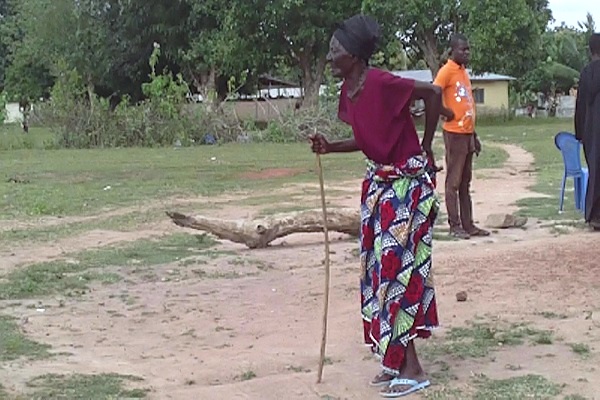
Respect for Elderly Disappearing in Ghana as Social Norms Shift
Summary
- The erosion of respect for elderly individuals in Ghana threatens traditional institutions and national values.
- Ghana's rapid urbanization and technological advancements have transformed communication patterns, creating new environments where insults and disrespect can spread rapidly.
- The manner in which disagreements are expressed often raises questions about civility and responsibility.
Respect for Elderly Disappearing in Ghana: A Cultural Shift
Respect for elders is deeply embedded in Ghanaian society, with age traditionally associated with wisdom, experience, and leadership.
Ghana's cultural landscape is undergoing a significant transformation, with respect for elderly individuals gradually disappearing. This shift is not limited to individual actions but is rather a collective phenomenon that reflects changing social norms and values. The erosion of respect for elders has far-reaching implications, particularly in traditional institutions where conflict resolution and community leadership are deeply rooted in reverence for age. In Ghana's urban centers, the rise of technology and social media has created an environment where insults and disrespect can spread rapidly, often with little consequence. This trend raises concerns about civility and the manner in which disagreements are expressed, highlighting the need for a more nuanced understanding of freedom of speech and responsibility.
Traditional Institutions and National Values
Respect for elders is deeply embedded in Ghanaian society, with age traditionally associated with wisdom, experience, and leadership. Traditional institutions such as chiefs, queen mothers, clan heads, and family elders continue to play important roles in conflict resolution, community leadership, and the preservation of customs. Article 41 of Ghana's 1992 Constitution lists the duties of every citizen, including fostering national unity. However, the erosion of respect for elders threatens to undermine these traditional institutions and national values, with potential consequences for social cohesion and conflict resolution.
The Impact of Technology on Social Norms
Ghana's rapid urbanization and technological advancements have transformed communication patterns, creating new environments where insults and disrespect can spread rapidly. Social media platforms have given everyone a voice, regardless of age or social status, but this has also led to the proliferation of videos showing individuals verbally attacking elderly people, public officials, religious leaders, or traditional authorities. While criticism is essential in democracy, the manner in which disagreements are expressed often raises questions about civility and responsibility. The impact of technology on Ghanaian society highlights the need for a more nuanced understanding of freedom of speech and its limitations.
Practical Implications
Lawyers and compliance officers should be aware that the erosion of respect for elderly individuals in Ghana may lead to increased conflict resolution challenges, particularly in traditional institutions, and may also impact business operations in the country.
Source
How does this affect your business?
Get an AI analysis of this article grounded in your jurisdictions, practice areas, and any policy documents you've uploaded to Wansom.
Wansom is AI and can make mistakes.