
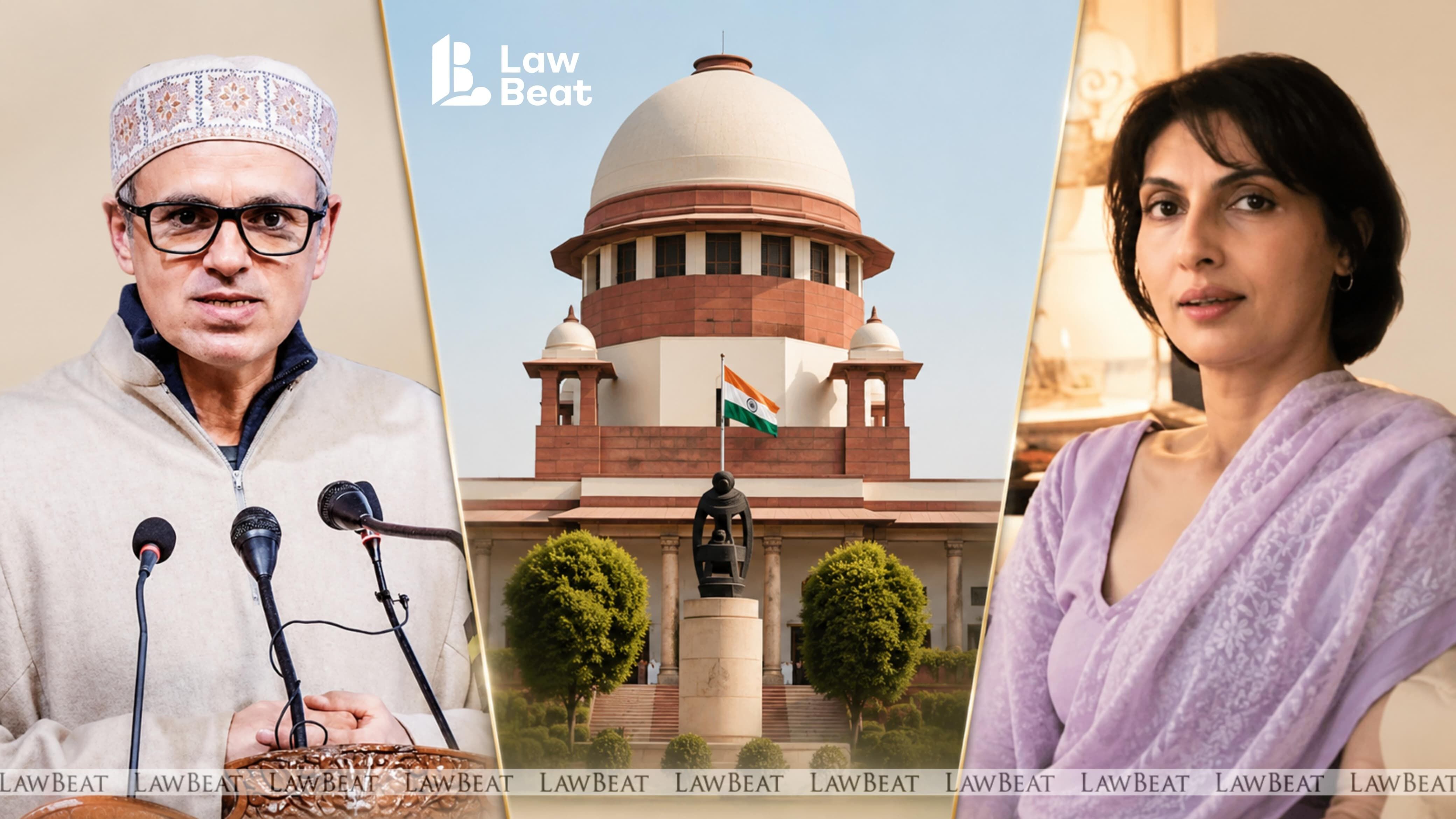
Omar Abdullah divorce granted by supreme court on amicable settlement
Summary
- The Supreme Court granted a divorce to Jammu and Kashmir Chief Minister Omar Abdullah and his estranged wife Payal Abdullah after they reached an amicable settlement.
- The couple's marriage had been marked by a series of legal battles, with multiple hearings and appeals in various courts over the past five years.
- The Supreme Court's decision sets a precedent for future cases, potentially signaling a shift towards more flexible approaches to divorce proceedings in India.
A New Chapter for Omar Abdullah
Both of them have embraced freedom. It's all settled. Lordships may grant divorce. All other matters will be withdrawn,
The Supreme Court has brought an end to the long-standing matrimonial dispute between Jammu and Kashmir Chief Minister Omar Abdullah and his estranged wife Payal Abdullah, granting them a divorce after they reached an amicable settlement. This development is significant not only for the couple but also for the legal community, as it highlights the court's willingness to grant divorces on amicable settlements, potentially reducing the need for lengthy proceedings and costly litigation. The Supreme Court's decision marks a new chapter in Omar Abdullah's life, one that he has been seeking for over 15 years. According to Senior Advocate Kapil Sibal, who represented Omar Abdullah in the case, both parties have 'embraced freedom' and reached a complete settlement, paving the way for the court to grant them a divorce.
A Complex History of Litigation
The couple's marriage, which began in September 1994, has been marked by a series of legal battles. In August 2016, Omar Abdullah filed a petition seeking divorce on the grounds that their marriage had irretrievably broken down since 2009. However, the family court rejected his plea, citing a lack of evidence supporting his claims of 'irretrievable breakdown' and 'cruelty.' The couple's dispute has been ongoing for over five years, with multiple hearings and appeals in various courts. In July 2024, the Supreme Court issued notice in Omar Abdullah's Special Leave Petition (SLP) against the Delhi High Court's rejection of his plea.
A Turning Point in Indian Divorce Laws?
The Supreme Court's decision to grant a divorce on amicable settlement is significant, as it sets a precedent for future cases. This development may signal a shift towards more flexible and accommodating approaches to divorce proceedings in India. The court's willingness to grant divorces on amicable settlements could potentially reduce the need for lengthy litigation and costly disputes, making it easier for couples to move forward with their lives. As lawyers representing clients in high-profile separation cases take note, this decision may have far-reaching implications for Indian divorce laws.
Practical Implications
Lawyers representing clients in high-profile separation cases should note the Supreme Court's willingness to grant divorces on amicable settlements, potentially reducing the need for lengthy proceedings and costly litigation.
Source
Source: Original reporting via LawBeat
How does this affect your business?
Get an AI analysis of this article grounded in your jurisdictions, practice areas, and any policy documents you've uploaded to Wansom.
Wansom is AI and can make mistakes.