
OAIC opposes proposed FRSC bill provision on preaching in commercial vehicles
Abstract
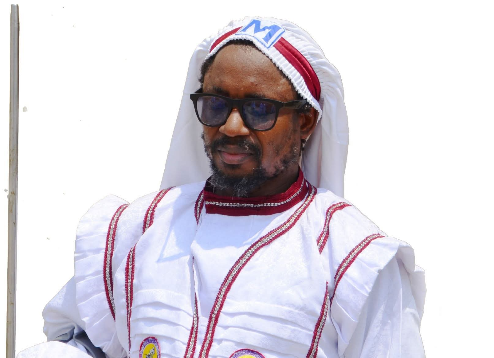
The Organisation of African Instituted Churches (OAIC) has expressed concern over a proposed amendment to the Federal Road Safety Commission (FRSC) Act, which could potentially classify preaching in commercial vehicles as an activity akin to hawking. The OAIC, led by President Elder Israel Akinadewo, has raised objections to this provision, citing unspecified concerns about its implications for religious freedom and public safety. The proposed amendment's impact on the regulation of commercial vehicles and the rights of passengers remains unclear.
Introduction
The Organisation of African Instituted Churches (OAIC) has recently voiced opposition to a proposed amendment to the Federal Road Safety Commission (FRSC) Act in Nigeria. The OAIC, which represents various African churches in Nigeria, has expressed concern over reports that the proposed amendment could classify preaching in commercial vehicles alongside activities such as hawking. This development has sparked debate about the potential impact on religious freedom and public safety.
Background
The Federal Road Safety Commission (FRSC) Act is a key piece of legislation governing road safety in Nigeria. The Act aims to regulate various aspects of road use, including commercial vehicle operations. While the exact provisions of the proposed amendment are not specified in the available information, it appears that the OAIC has taken issue with the potential inclusion of preaching in commercial vehicles as an activity subject to regulation.
Analysis
The OAIC's opposition to the proposed amendment raises important questions about the balance between public safety and individual freedoms. While the regulation of commercial vehicles is a legitimate concern for road safety, the classification of preaching alongside hawking may be seen as overly broad or restrictive. The potential implications for religious freedom and the rights of passengers in commercial vehicles are unclear without further information on the proposed amendment's specifics.
Conclusion
The OAIC's opposition to the proposed FRSC bill provision highlights the need for careful consideration of the balance between public safety and individual freedoms in Nigeria's regulatory framework. As the proposed amendment's impact on religious freedom and public safety remains unclear, it is essential for lawmakers and stakeholders to engage in a nuanced discussion about the potential implications of this provision.
How does this affect your business?
Get an AI analysis of this article grounded in your jurisdictions, practice areas, and any policy documents you've uploaded to Wansom.