
Nigerian House of Representatives Downstream Committee Proposes Reforms
Summary
- The House of Representatives Committee on Petroleum Resources (Downstream) has begun efforts to resolve differences between petroleum importers and domestic refiners.
- The committee held an interactive session with key industry stakeholders, including the Depot and Petroleum Products Marketers Association of Nigeria (DAPPMAN).
- The proposed reforms aim to strengthen Nigeria's downstream oil and gas sector through a consensus-driven approach.
What Happened
The meeting aimed to identify areas of contention between importers and refiners, with a view to finding mutually beneficial solutions.
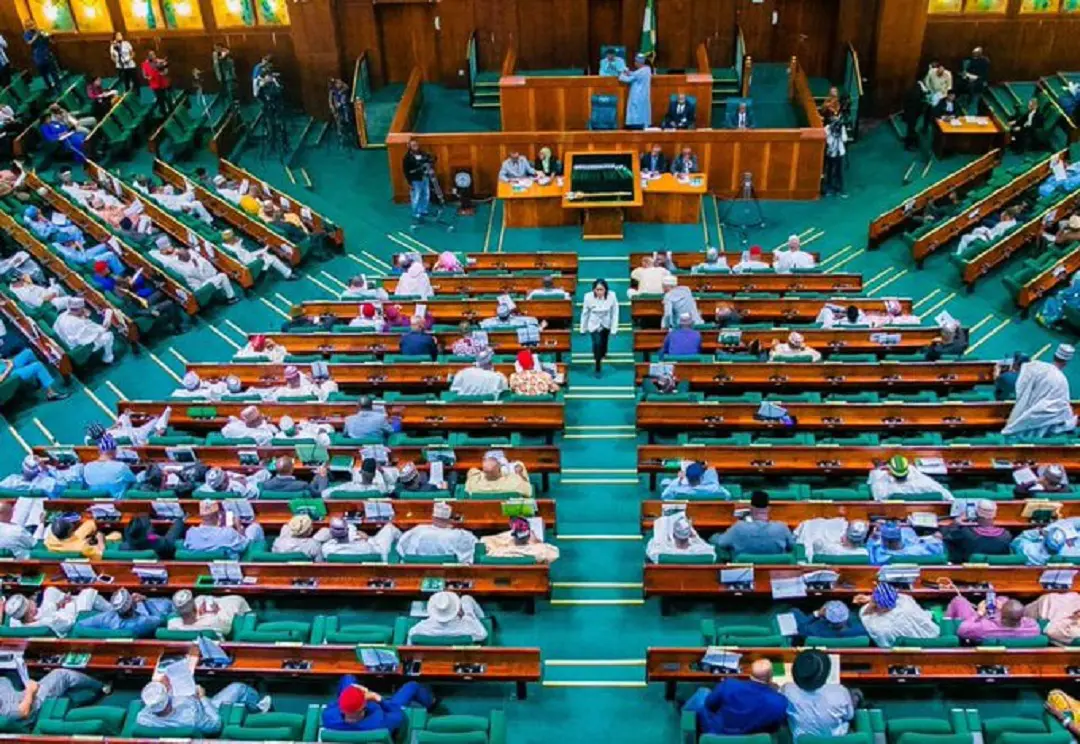
The House of Representatives Committee on Petroleum Resources (Downstream) has kicked off a process to bridge the gap between petroleum importers and domestic refiners. The committee, led by Hon. Ikenga Imo Ugochinyere Ikeagwuonu, held an interactive session with key industry stakeholders on Tuesday. Among those present were representatives from the Depot and Petroleum Products Marketers Association of Nigeria (DAPPMAN), who emphasized the need for a consensus-driven approach to downstream reforms.
The meeting aimed to identify areas of contention between importers and refiners, with a view to finding mutually beneficial solutions. According to sources, the committee is seeking to strengthen Nigeria's downstream oil and gas sector through these reforms.
Legal Context
Nigeria's downstream oil and gas sector has been plagued by inefficiencies and conflicts between importers and refiners. The current regulatory framework has been criticized for favoring one group over the other, leading to a lack of investment in domestic refining capacity. The reforms being proposed by the House of Representatives Committee on Petroleum Resources (Downstream) aim to address these issues and create a more level playing field.
The committee's efforts are also seen as an attempt to align Nigeria's downstream sector with international best practices. This includes ensuring that regulatory requirements and compliance obligations are clear, consistent, and fair for all stakeholders.
Why It Matters
The proposed reforms have significant implications for lawyers advising clients in the downstream oil and gas sector. As the regulatory landscape evolves, these professionals must stay up-to-date with potential changes to compliance obligations and regulatory requirements. This will enable them to provide informed guidance to their clients and help navigate the complex web of rules and regulations.
In addition, the reforms could have far-reaching consequences for Nigeria's economy as a whole. By strengthening the downstream sector, the country may be able to reduce its reliance on imported petroleum products and increase domestic refining capacity.
Practical Implications
Lawyers advising clients in the downstream oil and gas sector should watch for potential changes to regulatory requirements and compliance obligations arising from these reforms.
Source
How does this affect your business?
Get an AI analysis of this article grounded in your jurisdictions, practice areas, and any policy documents you've uploaded to Wansom.