
NDC insists it remains legally recognised, appeals court judgment
Briefly Analysis
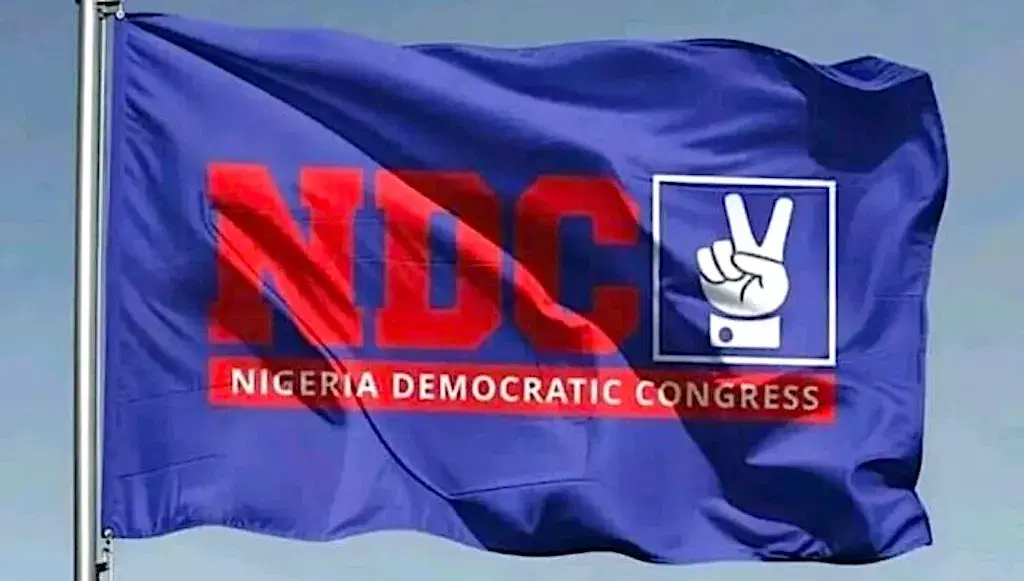
The Nigeria Democratic Congress (NDC) has formally initiated an appeal against the recent judgment delivered by the Lokoja Federal High Court, which directed the Independent National Electoral Commission (INEC) to withhold recognition of the party until outstanding legal disputes are resolved. This judicial intervention stems from internal or regulatory challenges regarding the party's registration status, effectively placing the NDC in a state of legal limbo regarding its participation in electoral processes. By challenging this ruling at the Court of Appeal, the NDC seeks to vacate the injunction, asserting that its status as a registered political entity remains intact under the existing electoral framework.
For legal practitioners, this case underscores the critical intersection between administrative law and electoral jurisprudence in Nigeria. The matter hinges on the interpretation of the Electoral Act 2022 and the powers vested in INEC to regulate political associations. The significance lies in the court's authority to grant interlocutory injunctions that effectively disenfranchise a political party, a move that carries profound implications for the democratic process and the constitutional right to freedom of association. Practitioners must closely monitor how the appellate court balances the need for regulatory oversight by INEC against the rights of political parties to operate without undue judicial interference.
Legal professionals should note that the hierarchy of the Nigerian court system allows for such appeals to test the limits of the Federal High Court’s jurisdiction in electoral matters. The outcome of this appeal will likely serve as a precedent for how courts handle disputes involving the recognition of political parties during the pre-election cycle. Attorneys representing political organizations should advise their clients to ensure strict compliance with all statutory registration requirements to avoid similar litigation, while also preparing for the possibility of protracted legal battles that could impact their clients' ability to field candidates in upcoming cycles.