
NCDMB, Renaissance begin oil and gas readiness training for 300 Nigerians
Abstract
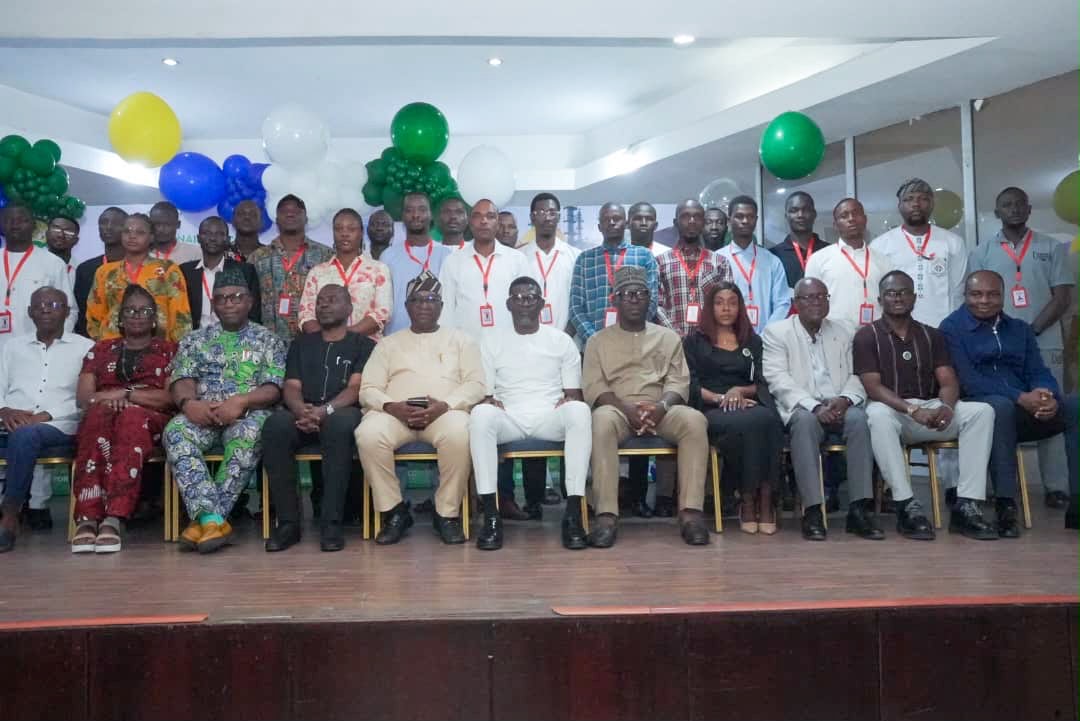
The Nigerian Content Development and Monitoring Board (NCDMB) has partnered with Renaissance to provide a human capital development programme aimed at equipping 300 Nigerians with industry-relevant skills in mechanical, electrical, and instrumentation engineering. The training is designed to enhance the readiness of Nigeria's workforce for the oil and gas sector. This initiative reflects the growing importance of human capital development in the country's energy industry.
Introduction
The partnership between NCDMB and Renaissance marks a significant step towards addressing the skills gap in Nigeria's oil and gas sector. The training programme, which targets 300 Nigerians, is designed to equip participants with practical skills in mechanical, electrical, and instrumentation engineering. This development assumes importance given the growing need for skilled personnel in the energy industry.
Background
The Nigerian Content Development and Monitoring Board (NCDMB) was established to promote local content development in the oil and gas sector. The board's mandate includes promoting the use of Nigerian goods and services, as well as developing the skills and capabilities of Nigerians in the industry. In recent years, there has been a growing recognition of the importance of human capital development in the energy sector, with many stakeholders calling for increased investment in training and capacity building.
Analysis
The training programme initiated by NCDMB and Renaissance is a welcome development that reflects the growing emphasis on human capital development in Nigeria's oil and gas sector. By equipping participants with industry-relevant skills, the programme aims to enhance the readiness of Nigeria's workforce for the energy industry. This initiative has significant implications for the country's economic development, as it seeks to address the skills gap in a critical sector.
Conclusion
The partnership between NCDMB and Renaissance is a positive step towards addressing the skills gap in Nigeria's oil and gas sector. As the energy industry continues to grow, it is essential that stakeholders prioritize human capital development to ensure that the country has a skilled workforce capable of meeting its needs. This initiative serves as a model for other sectors to follow, highlighting the importance of investing in training and capacity building.
How does this affect your business?
Get an AI analysis of this article grounded in your jurisdictions, practice areas, and any policy documents you've uploaded to Wansom.