
NCBA’s 100% Financing Deal with Kason Motors Opens Electric Vehicle Market to More Rwandans
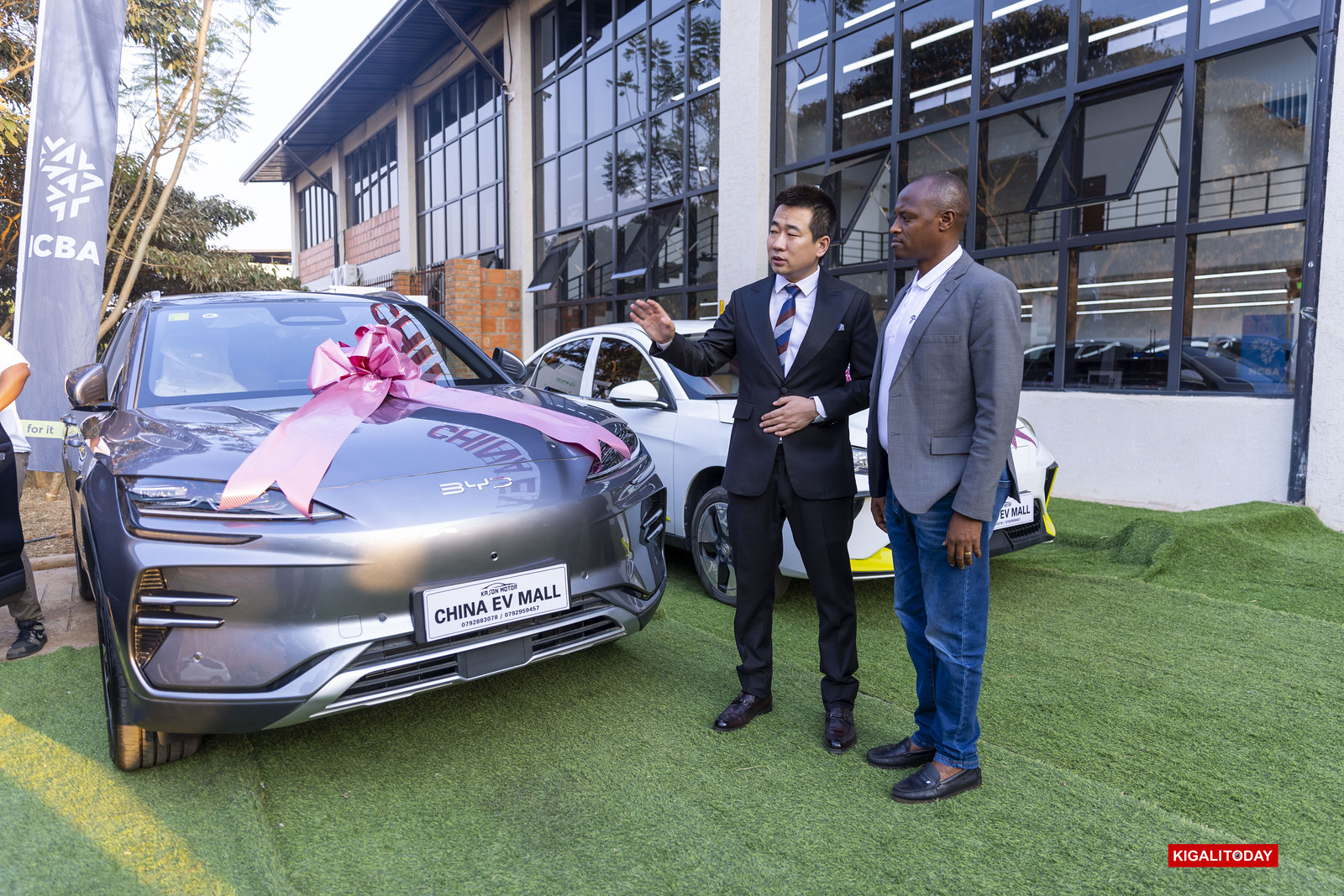
Abstract
The National Commercial Bank of Rwanda (NCBA) has partnered with Kason Motors to offer 100% financing deals for electric vehicles, making car ownership more accessible to Rwandans who previously struggled to afford upfront purchase prices. This development is expected to open up the electric vehicle market to a wider audience in Rwanda, potentially driving growth and adoption of eco-friendly transportation options. The partnership aims to bridge the financial gap that has long hindered many from owning a car, with NCBA providing financing solutions for customers to acquire Kason Motors' electric vehicles.
Introduction
The recent announcement by NCBA and Kason Motors of a 100% financing deal for electric vehicles in Rwanda is significant news for the country's automotive market. The partnership has the potential to make car ownership more accessible to Rwandans who have previously been priced out of the market due to high upfront costs. This development is also noteworthy as it highlights the growing importance of electric vehicles in Rwanda's transportation sector.
Background
The Rwandan government has been actively promoting the adoption of electric vehicles as a means of reducing carbon emissions and mitigating climate change. In recent years, there has been an increase in the number of electric vehicle manufacturers setting up operations in Rwanda, with Kason Motors being one such company. However, despite the growing availability of electric vehicles, many Rwandans have struggled to afford the high upfront purchase prices, limiting their access to these environmentally friendly transportation options.
Analysis
The NCBA-Kason Motors partnership is a significant development that has the potential to drive growth and adoption of electric vehicles in Rwanda. By providing 100% financing deals, NCBA is addressing one of the main barriers to car ownership for many Rwandans. This move is also likely to have broader implications for the country's transportation sector, potentially leading to increased adoption of eco-friendly options and reduced carbon emissions. However, it remains to be seen how this partnership will impact the market in practice, with questions around affordability, accessibility, and sustainability still needing to be addressed.
Conclusion
The NCBA-Kason Motors partnership is a welcome development for Rwanda's automotive market, offering new opportunities for car ownership and driving growth of electric vehicles. As the country continues to promote the adoption of eco-friendly transportation options, this partnership highlights the importance of innovative financing solutions in making these options more accessible to all. Practitioners should be watching this space closely as the impact of this partnership unfolds, with potential implications for Rwanda's transportation sector and its efforts to reduce carbon emissions.
How does this affect your business?
Get an AI analysis of this article grounded in your jurisdictions, practice areas, and any policy documents you've uploaded to Wansom.