
“NBA, NIRA Oppose Mandatory Local Offices For Social Media Platforms” — Propose Representatives, Data Hosting And 180-Day Compliance Period
Abstract
The Nigerian Bar Association and Nigeria Internet Registration Association have opposed a bill that would require social media platforms to establish physical offices in Nigeria with verifiable addresses. The stakeholders expressed their concerns during a public hearing organised by the Senate, proposing instead that social media platforms appoint representatives and host data locally within 180 days. This development highlights the ongoing debate over regulation of social media in Nigeria.
Introduction
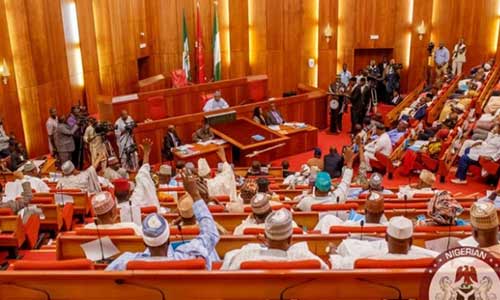
The Nigerian Bar Association and Nigeria Internet Registration Association have joined forces to oppose a bill that would compel social media platforms to establish physical offices in Nigeria with verifiable addresses. The stakeholders expressed their reservations during a public hearing organised by the Senate on Thursday, proposing alternative measures such as appointing representatives and hosting data locally within 180 days.
Background
The proposed bill has been met with resistance from various stakeholders, including social media platforms and civil society organisations. The Nigerian Bar Association and Nigeria Internet Registration Association have expressed concerns that the bill would infringe on the rights of social media users and hinder innovation in the digital economy. The Senate organised a public hearing to gather input from stakeholders and address their concerns.
Analysis
The opposition to the proposed bill highlights the ongoing debate over regulation of social media in Nigeria. While some argue that regulation is necessary to protect national security and prevent online harassment, others contend that it would stifle innovation and infringe on individual rights. The proposal by the Nigerian Bar Association and Nigeria Internet Registration Association for appointing representatives and hosting data locally within 180 days may be seen as a compromise between these competing interests.
Conclusion
The outcome of this matter has not yet been reported, but it is clear that the regulation of social media in Nigeria remains a contentious issue. Practitioners should continue to monitor developments and engage with stakeholders to ensure that any regulatory framework balances individual rights with national security concerns.
How does this affect your business?
Get an AI analysis of this article grounded in your jurisdictions, practice areas, and any policy documents you've uploaded to Wansom.