
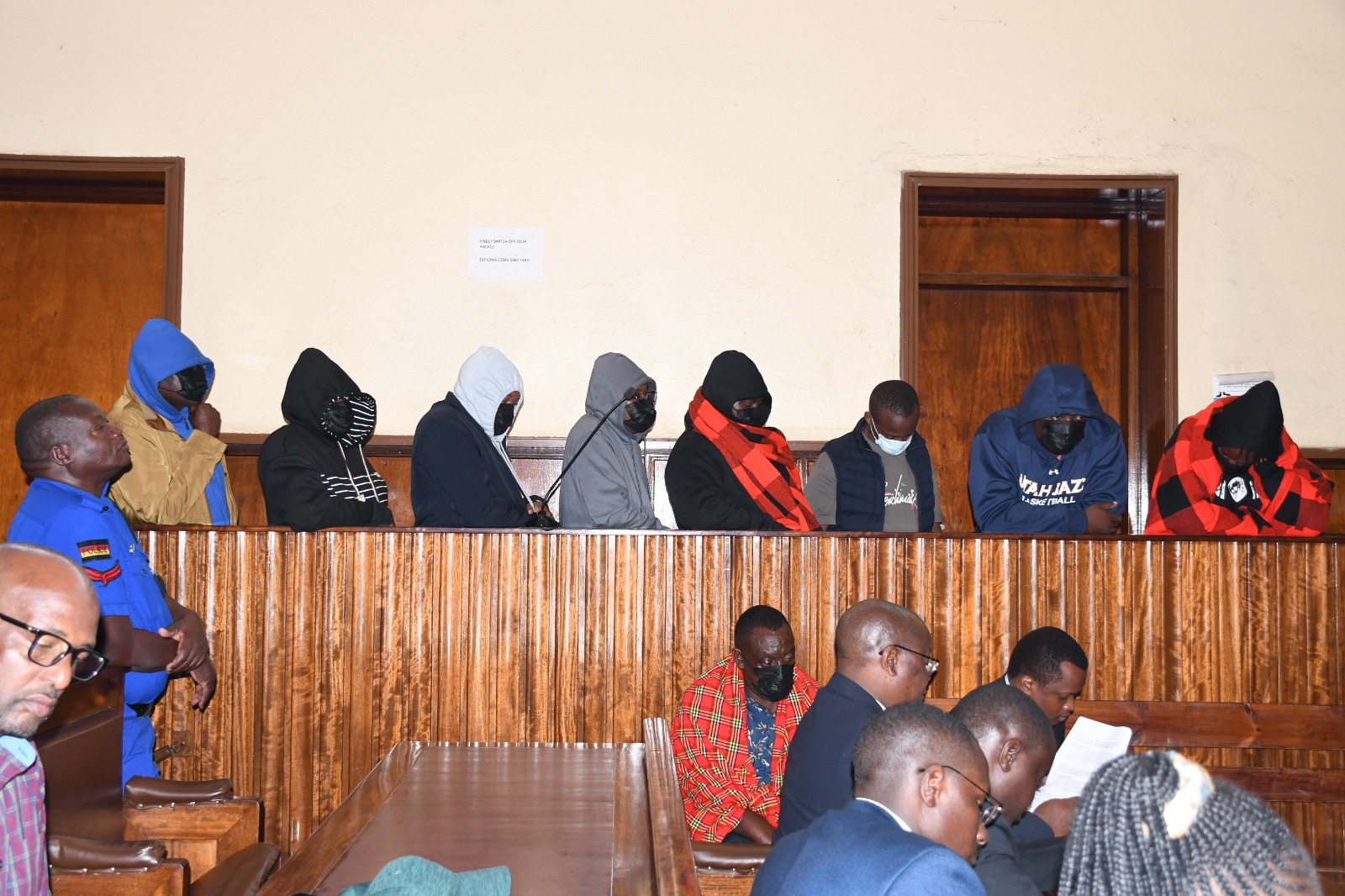
Nakuru County DPP Charges Nine Over Procurement Irregularities
Summary
- The Director of Public Prosecutions has charged nine individuals with various offences related to alleged corruption in Nakuru County's procurement process; they have since been arraigned, pleaded not guilty, and released on bond and bail.
- Seven of those charged are employees of the County Government of Nakuru, highlighting potential conflicts of interest within the county's administration.
- The DPP has accused the defendants of engaging in corrupt and fraudulent practices, including money laundering and acquisition of proceeds of crime.
- The case sets an important precedent for future public procurement contracts in Kenya and highlights the need for robust anti-corruption measures.
What Happened
The DPP's decision to charge nine individuals with 19 counts of various offences sends a strong message that those involved in corrupt practices will be held accountable.
The Director of Public Prosecutions (DPP) has taken a significant step in addressing alleged corruption in public procurement by charging nine individuals with various offences. The charges, which were filed on Friday, July 31, 2026, relate to alleged irregularities in the procurement process at Nakuru County, with a total value of Ksh. 120 million implicated. Seven of those charged are employees of the County Government of Nakuru, highlighting potential conflicts of interest within the county's administration. The DPP has accused the defendants of engaging in corrupt and fraudulent practices, including money laundering and acquisition of proceeds of crime. The accused persons have since been arraigned, pleaded not guilty to all 19 counts, and were subsequently released on bond and bail.
Legal Context
The charges brought by the DPP are a reflection of the Kenyan government's commitment to tackling corruption in public procurement. The country has implemented various measures aimed at preventing irregularities in procurement processes, including the establishment of anti-corruption agencies and the introduction of robust regulations. However, despite these efforts, cases of corruption continue to arise, highlighting the need for continued vigilance and enforcement. The DPP's decision to charge nine individuals with 19 counts of various offences sends a strong message that those involved in corrupt practices will be held accountable.
Why It Matters
The case has significant implications for lawyers and the broader public procurement landscape in Kenya. As the country continues to grapple with corruption, this case sets an important precedent for future public procurement contracts. The DPP's actions demonstrate a commitment to upholding the law and ensuring that those involved in corrupt practices are brought to justice. Furthermore, the case highlights the importance of robust anti-corruption measures in preventing irregularities in public procurement. As such, it serves as a reminder to all parties involved in public procurement to prioritize transparency, accountability, and integrity.
Practical Implications
Lawyers should watch for the potential precedent set by this case, as it may impact future public procurement contracts and highlight the importance of robust anti-corruption measures.
Source
How does this affect your business?
Get an AI analysis of this article grounded in your jurisdictions, practice areas, and any policy documents you've uploaded to Wansom.
Wansom is AI and can make mistakes.