
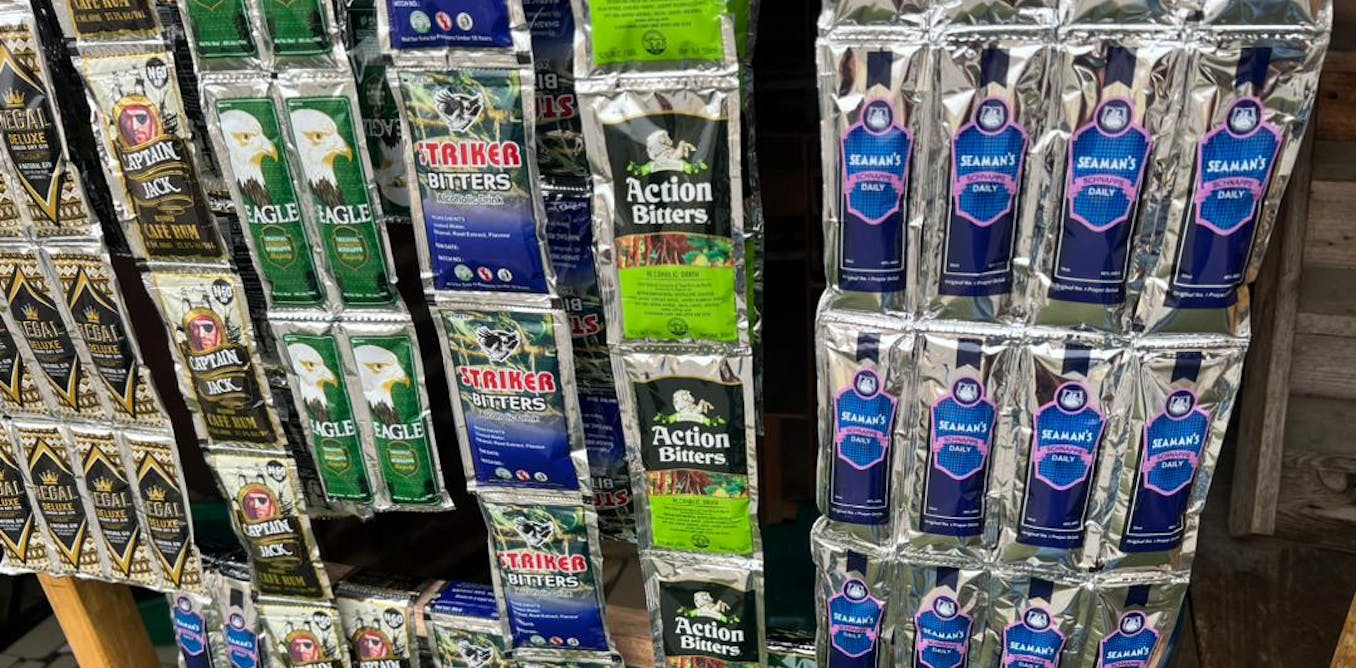
NAFDAC: No Reversal on Sachet Alcoholic Drinks Ban in Nigeria
Summary
- NAFDAC reaffirms ban on small-volume alcoholic drinks in Nigeria.
- Any sales or distribution of sachet alcohol products may be considered non-compliant with regulatory requirements.
- Businesses operating in the Nigerian market must ensure compliance with NAFDAC regulations to avoid penalties and liabilities.
- Lawyers advising clients on product compliance should note that NAFDAC's reaffirmation of the ban has significant implications for businesses involved.
What Happened
The post Ban on sale of sachet alcoholic drinks remains – NAFDAC appeared first on Vanguard News.
The National Agency for Food and Drug Administration and Control (NAFDAC) has reaffirmed its stance on the ban of small-volume alcoholic drinks in Nigeria. This decision comes after a period of speculation about the status of the ban, which was initially imposed to curb the proliferation of sachet alcohol products. NAFDAC's position is clear: there will be no reversal of the ban, and any sales or distribution of these products will be considered non-compliant with regulatory requirements.
The agency has been at the forefront of efforts to regulate the production and sale of alcoholic beverages in Nigeria. In recent years, NAFDAC has taken steps to address concerns about the safety and quality of sachet alcohol products, which have been linked to various health issues. The ban on small-volume alcoholic drinks is a key component of these efforts, aimed at protecting consumers from potentially hazardous products.
Legal Context
The ban on sachet alcoholic drinks in Nigeria has its roots in regulatory frameworks governing the production and sale of food and drug products. The National Agency for Food and Drug Administration and Control (NAFDAC) is responsible for ensuring compliance with these regulations, which are designed to protect public health and safety. NAFDAC's powers to enforce the ban are derived from the National Agency for Food and Drug Administration and Control Act Cap N1 Laws of the Federation of Nigeria (LFN) 2004, which empowers the agency to regulate the production, importation, and sale of food and drug products in Nigeria.
The ban on sachet alcoholic drinks is not a new development, but rather a reaffirmation of existing regulations. NAFDAC's stance is consistent with international best practices for regulating the production and sale of alcoholic beverages. The agency's efforts to enforce the ban are aimed at preventing the proliferation of unregulated and potentially hazardous products in the market.
Why It Matters
The reaffirmation of the ban on sachet alcoholic drinks by NAFDAC has significant implications for businesses operating in the Nigerian market. Any sales or distribution of these products may be considered non-compliant with regulatory requirements, potentially leading to penalties and liabilities for companies involved. This decision also underscores the importance of compliance with regulatory frameworks governing the production and sale of food and drug products in Nigeria.
Lawyers advising clients on product compliance should note that NAFDAC's reaffirmation of the ban means any sales or distribution of sachet alcoholic drinks in Nigeria may be considered non-compliant and potentially liable for penalties. This highlights the need for businesses to stay informed about regulatory developments and ensure their products comply with relevant requirements.
Practical Implications
Lawyers advising clients on product compliance should note that NAFDAC's reaffirmation of the ban means any sales or distribution of sachet alcoholic drinks in Nigeria may be considered non-compliant and potentially liable for penalties.
Source
How does this affect your business?
Get an AI analysis of this article grounded in your jurisdictions, practice areas, and any policy documents you've uploaded to Wansom.
Wansom is AI and can make mistakes.