
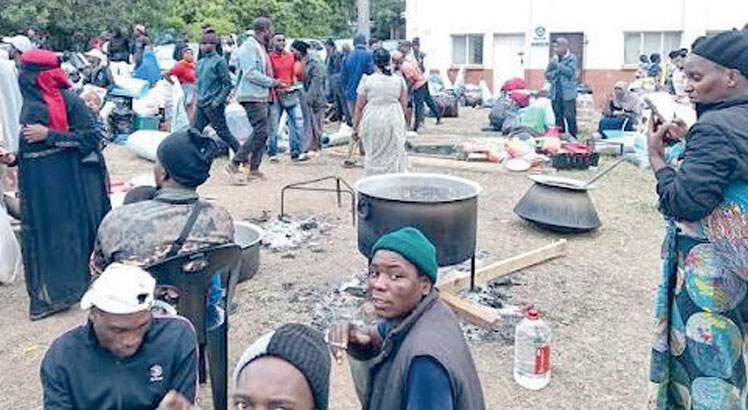
MHRC pens SA counterpart on anti-immigrant attacks
Briefly Analysis
The intervention by the Malawi Human Rights Commission (MHRC) regarding anti-immigrant attacks in South Africa highlights the growing importance of regional human rights diplomacy and the role of national human rights institutions in protecting the rights of foreign nationals. By engaging the South African Human Rights Commission (SAHRC), the MHRC is invoking the spirit of the African Charter on Human and Peoples' Rights, which mandates the protection of individuals regardless of their nationality. This diplomatic and legal outreach serves as a formal mechanism to address the systemic failure to protect vulnerable populations, potentially setting the stage for a more coordinated regional response to xenophobic violence.
For legal professionals, this development is significant as it touches upon the intersection of international human rights law and domestic constitutional protections. The SAHRC, as a Chapter 9 institution under the South African Constitution, is tasked with investigating and reporting on human rights violations, and the MHRC’s letter serves as a formal request for accountability. This situation underscores the necessity for legal practitioners to be well-versed in the SADC Treaty and the various protocols that govern the movement of people and the protection of migrant rights within the region. It also highlights the potential for litigation in regional courts, such as the SADC Tribunal or the African Court on Human and Peoples' Rights, should domestic remedies in South Africa prove ineffective.
Attorneys and businesses with interests in South Africa should monitor the situation closely, as the climate of anti-immigrant sentiment can lead to disruptions in labor markets, supply chains, and the safety of foreign-owned enterprises. Legal counsel should advise clients on the importance of maintaining comprehensive documentation regarding their legal status and rights, and to be prepared for potential legal challenges related to employment and property rights in the face of social unrest. Furthermore, practitioners should keep abreast of any policy shifts or legislative amendments in South Africa that may affect the rights of foreign nationals, as these will have direct implications for the legal standing and security of their clients operating within the jurisdiction.