
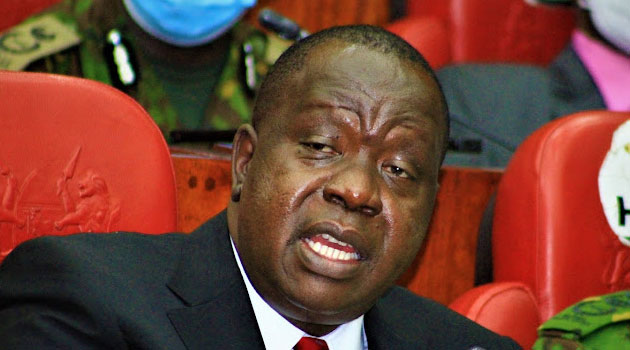
Matiang’i Says NTSA’s Planned Sh2,000 Vehicle Inspection Fee Is Insensitive and Unfair
Briefly Analysis
The public opposition voiced by former Cabinet Secretary Fred Matiang’i regarding the National Transport and Safety Authority’s (NTSA) proposed Sh2,000 vehicle inspection fee highlights a growing tension between administrative revenue-raising measures and the constitutional principles of reasonableness and public interest. The NTSA, acting under its mandate to ensure road safety, sought to implement this fee as part of its regulatory oversight of motor vehicles. However, the critique centers on the argument that such administrative actions must be balanced against the economic realities of the citizenry. This development brings into focus the limits of the NTSA’s delegated legislative powers and the extent to which the judiciary or executive can intervene when administrative fees are perceived as punitive or lacking in sufficient public consultation.
From a legal standpoint, this situation invites a review of the NTSA Act and the associated regulations that govern the authority’s power to levy fees. Under the Statutory Instruments Act, any new regulation or fee structure must undergo rigorous public participation and impact assessment to ensure it is not arbitrary or oppressive. The legal significance here is the potential for judicial review applications, where affected motorists or transport associations could challenge the fee on the grounds of procedural impropriety or unreasonableness. The courts have historically been cautious about interfering with the executive’s fiscal policy, yet they remain the final arbiter on whether such fees exceed the authority granted by the parent statute.
Practitioners representing transport companies or individual motorists should keep a close watch on the NTSA’s gazettement process and any subsequent legal challenges. If the fee is implemented without adequate public participation, there is a strong basis for challenging the validity of the directive in the High Court. Businesses in the logistics and public transport sectors should document the financial impact of such fees to support potential litigation or advocacy efforts. It is advisable for legal teams to monitor the NTSA’s compliance with the Statutory Instruments Act, as any failure to adhere to the prescribed consultative procedures provides a clear avenue for seeking an injunction against the enforcement of the new fee structure.