
LGBTQ Rights Under Threat in Eastern and North Eastern Kenya
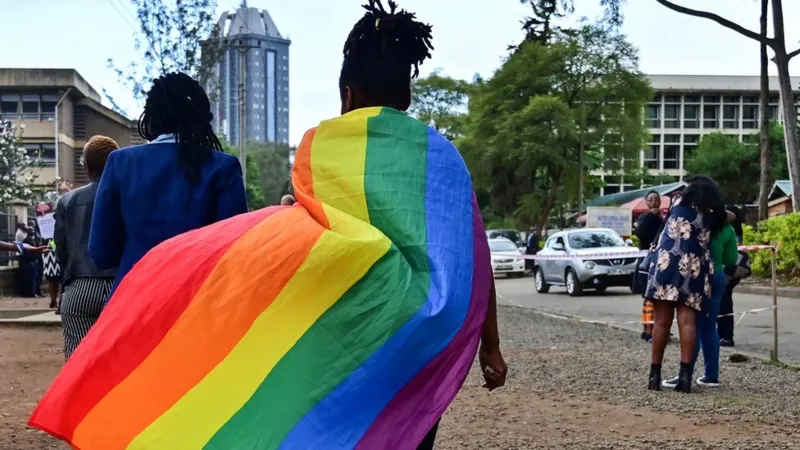
Summary
- LGBTQ individuals in Eastern and North Eastern Kenya face heightened risks due to strong opposition from religious, cultural, and legal institutions.
- Kenya's laws do not explicitly prohibit same-sex relationships but have been used to arbitrarily arrest and prosecute LGBTQ individuals.
- The human rights community is calling for greater tolerance and acceptance of LGBTQ identities in the region.
Heightened Risks for LGBTQ Individuals
The situation in Eastern and North Eastern Kenya highlights the need for greater tolerance and acceptance of LGBTQ identities.
In Eastern and North Eastern Kenya, a complex web of religious, cultural, and legal factors has created an environment where LGBTQ individuals face significant risks. The region's strong opposition to same-sex relationships is fueled by deeply ingrained cultural and religious beliefs that reject LGBTQ identities and advocacy. This rejection is not limited to the general population but also extends to institutions, including schools and places of worship, which often perpetuate discriminatory attitudes. As a result, LGBTQ individuals in this region are frequently subjected to harassment, intimidation, and violence, making it challenging for them to live openly or advocate for their rights.
Legal Context
Kenya's laws do not explicitly prohibit same-sex relationships, but the country's penal code criminalizes 'carnal knowledge against the order of nature,' which has been interpreted as a reference to homosexual acts. This ambiguity has led to inconsistent application and enforcement of the law, leaving LGBTQ individuals vulnerable to arbitrary arrest and prosecution. Furthermore, Kenya's constitution enshrines the right to freedom from discrimination on grounds of sex or gender, but this protection does not extend to LGBTQ individuals in practice. The lack of explicit legal protections and the inconsistent application of existing laws have created a climate of uncertainty and fear for LGBTQ individuals in Eastern and North Eastern Kenya.
Why It Matters
The situation in Eastern and North Eastern Kenya highlights the need for greater tolerance and acceptance of LGBTQ identities. The human rights community is calling for an end to the persecution and marginalization of LGBTQ individuals, who are often forced to live in hiding or flee their homes due to fear of violence or arrest. Lawyers advising clients operating in this region should be aware of the heightened risks faced by LGBTQ individuals and take steps to ensure compliance with human rights standards. By promoting greater understanding and acceptance, it is possible to create a more inclusive environment where LGBTQ individuals can live openly and freely without fear of persecution.
Practical Implications
Lawyers advising clients operating in Eastern and North Eastern Kenya should be aware of the heightened risks faced by LGBTQ individuals, which may impact business operations or compliance with human rights standards.
Source
How does this affect your business?
Get an AI analysis of this article grounded in your jurisdictions, practice areas, and any policy documents you've uploaded to Wansom.