
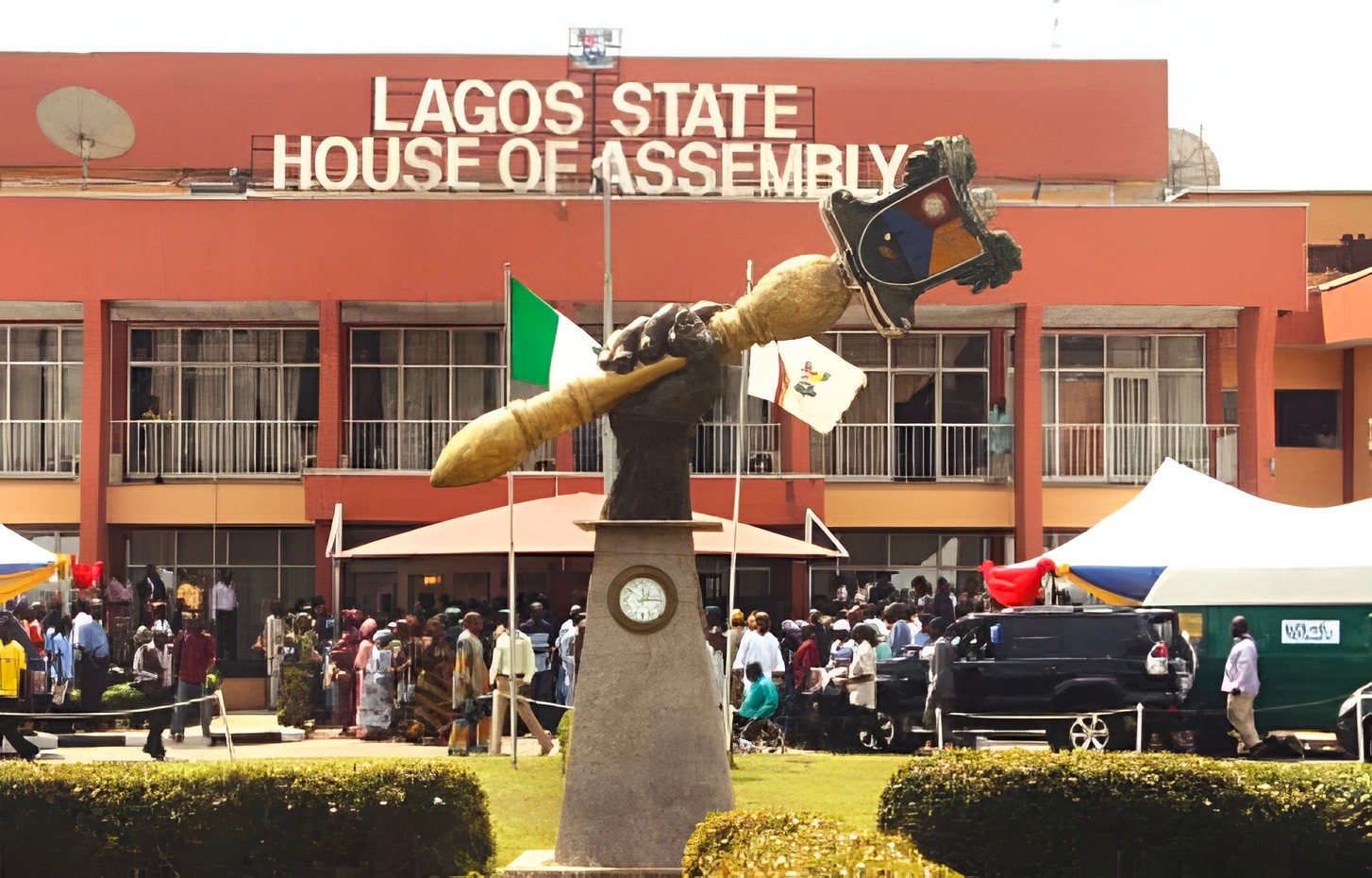
Lagos Assembly advances bill seeking to ban street begging
Abstract
The Lagos State House of Assembly is advancing a bill aimed at prohibiting street begging, which has passed its second reading. The proposed legislation seeks to address persistent social problems, including public safety, environmental sanitation, and the state's image, by establishing a legal framework to curb begging. While the bill intends to rehabilitate vulnerable persons and discourage indiscriminate alms-giving, it raises significant legal and human rights considerations. Practitioners must be aware of the potential conflicts with constitutional rights to dignity, personal liberty, and freedom of movement, as well as existing child protection and disability laws. The effectiveness of punitive measures versus a holistic, welfare-oriented approach remains a central debate, with implications for enforcement and judicial review.
Introduction
The Lagos State House of Assembly has recently advanced a bill seeking to prohibit street begging across the state, marking a significant legislative effort to tackle a pervasive social challenge. The proposed legislation, which has successfully passed its second reading, aims to establish a comprehensive legal framework to address issues such such as public safety, environmental sanitation, and the overall image of Nigeria's commercial capital.
This legislative initiative comes amidst growing concerns over the increasing presence of beggars on major roads and public spaces, which lawmakers argue poses a threat to urban order and public welfare. While the stated objectives include the rehabilitation and reintegration of vulnerable persons, the bill also contemplates punitive measures for beggars and those who encourage the practice through indiscriminate alms-giving. This article will explore the legal landscape surrounding street begging in Lagos, analyze the implications of the proposed bill, and highlight key considerations for legal professionals navigating the intersection of social policy, public order, and fundamental human rights.
Background
Street begging in Lagos, and indeed across Nigeria, is a complex issue with deep socio-economic roots. While the current legislative push is significant, begging is not entirely unregulated. Existing provisions under the Nigerian Criminal Code Act, applicable in Southern Nigeria, already criminalize wandering or placing oneself or a child in a public place for the purpose of begging, carrying potential fines and imprisonment. However, enforcement has often been inconsistent, leading to calls for more robust legal frameworks.
The proposed ban must be considered within the context of Nigeria's constitutional guarantees. Chapter IV of the Constitution of the Federal Republic of Nigeria 1999 (as amended) enshrines fundamental human rights, including the right to dignity of human persons (Section 34), personal liberty (Section 35), and freedom of movement (Section 41). These rights are crucial when evaluating legislation that could restrict the movement or liberty of individuals, even if the intent is social welfare. Furthermore, the Lagos State Child's Rights Law, 2007, defines a child as anyone under 18 years and mandates protection and care for children, considering a child found begging as in need of care and protection. It also criminalizes the exploitation of children for begging. Similarly, the Lagos State Special People's Law, 2011, aims to safeguard persons with disabilities against discrimination and ensure their equal opportunities, a critical consideration given that a significant proportion of beggars are often persons with disabilities. The Lagos State Government also operates various social protection programs, including financial assistance and welfare interventions, through agencies like the Ministry of Women Affairs and Poverty Alleviation, aimed at supporting vulnerable residents.
Analysis
The Lagos Assembly's bill presents a classic legal challenge of balancing public order and state image with fundamental human rights. While the state's objectives of enhancing public safety, improving sanitation, and projecting a positive image are legitimate, the methods of achieving these through a blanket ban on begging raise serious constitutional questions. The right to dignity of the human person, guaranteed by Section 34 of the 1999 Constitution, implies freedom from inhuman or degrading treatment, which could be implicated by arbitrary arrests or detention without adequate rehabilitation. Similarly, the right to personal liberty and freedom of movement (Sections 35 and 41) could be infringed if individuals are detained or restricted solely for begging, without due process or a clear path to rehabilitation and reintegration.
Past attempts to curb begging, both in Lagos and other Nigerian states like Kano, Kaduna, Niger, Anambra, and Abia, have often been criticized for being punitive and poorly implemented, failing to address the root causes of begging, such as poverty, lack of education, and social support. Human rights activists have highlighted instances of arbitrary detention, lack of fair hearing, and inhumane conditions in 'rehabilitation' centers. The current bill's emphasis on rehabilitation and social support, as advocated by some lawmakers, is a positive development, but its practical implementation will be key to avoiding similar pitfalls.
A notable aspect of the proposed legislation is the intention to penalize indiscriminate alms-giving, with suggestions for establishing structured channels for charitable donations. While this aims to disrupt the perceived 'business' of begging and protect against exploitation, particularly of children and persons with disabilities, it could also be seen as an infringement on individual charitable acts. The Speaker of the House has directed that the proposed legislation be harmonized with existing laws, which is crucial for ensuring consistency and avoiding legal conflicts, especially with the Child's Rights Law and the Special People's Law. The effectiveness of the bill will ultimately depend on a comprehensive approach that moves beyond mere prohibition to include robust social welfare programs, vocational training, and genuine rehabilitation, rather than relying solely on penal measures that have historically proven ineffective in addressing the underlying socio-economic drivers of begging.
Conclusion
For legal practitioners in Lagos, the proposed bill to ban street begging presents a complex and evolving area of law. While the state's intention to address public safety, environmental concerns, and the exploitation of vulnerable persons is understandable, the legislation carries significant implications for fundamental human rights. Attorneys must be prepared to scrutinize the final provisions of the bill for potential conflicts with constitutional rights to dignity, personal liberty, and freedom of movement, as well as specific protections afforded by the Lagos State Child's Rights Law and the Special People's Law.
The success and legality of this legislation will hinge on its implementation, particularly the balance between punitive measures and genuine rehabilitation and social welfare support. Practitioners should closely monitor the legislative process, including any amendments, and be ready to advise clients on compliance, potential challenges, and the defense of individuals whose rights may be infringed. The emphasis on a holistic, rights-based approach, rather than solely criminalization, will be critical for the bill to achieve its stated objectives without undermining the constitutional rights of Lagos residents, especially its most vulnerable populations.
Citations
- 1.Constitution of the Federal Republic of Nigeria 1999 (as amended)
- 2.Lagos State Child's Rights Law, 2007
- 3.Lagos State Special People's Law, 2011
- 4.Nigerian Criminal Code Act
- 5.The Guardian. Nigeria's crackdown on begging raises fears over human rights violations. November 29, 2016.
- 6.The Sun Nigeria. Bill to curb street begging scales second reading at Lagos Assembly. July 08, 2026.
- 7.Premium Times. Lagos Assembly advances bill seeking to ban street begging. July 08, 2026.
- 8.PM Parrot. Obasa-Led Lagos Assembly Reaffirms Support For State Police. July 09, 2026.
- 9.LawPàdí. 11 Rights Every Nigerian Should Know About.
- 10.International Humanitarian Law Databases. National Practice - Constitution, 1999.
- 11.Digital Scholarship@Texas Southern University. Challenges of Lagos State Child's Rights Law: Social Welfare Officers' Perspective. February 01, 2019.
- 12.SabiLaw.org. The Child's Rights Law of Lagos State. April 24, 2022.
- 13.The Legal Atlas for Street Children. Nigeria - Is it illegal for children to beg?. February 15, 2021.
- 14.Law Nigeria. LAGOS STATE SPECIAL PEOPLES' LAW. October 15, 2019.
- 15.Medium. 10 Years After Lagos Special Peoples' Law - What Has Changed?. August 10, 2021.
- 16.Businessday NG. Lagos expands social spending as welfare disbursements hit N2.13bn. May 25, 2026.
- 17.P.M. News. Lagos Strengthens Social Protection to Reach Most Vulnerable Residents. July 05, 2026.
- 18.Lagos DSVA. Social Welfare Department.
- 19.Wikipedia. Lagos State Ministry of Women Affairs and Poverty Alleviation.
- 20.ResearchGate. A Legal Examination into Eradication of Street Begging in Nigeria. September 19, 2024.
- 21.African Journal of Law, Political Research and Administration (AJLPRA). A Legal Examination into Eradication of Street Begging in Nigeria. September 25, 2024.
- 22.Premium Times. Legislation cannot end street begging in Northern Nigeria - Shehu Sani. February 28, 2020.
- 23.Law Nigeria. LAGOS STATE CHILD'S RIGHTS LAW.
- 24.Lagos DSVA. Safeguarding the Right of A Child (STRAC).
- 25.Law Nigeria. the lagos state special people's law.
- 26.Learn Nigerian Law. Right to Freedom of Movement.
- 27.PM News. Lagos Assembly Moves To Criminalize Street Begging, Mulls Law Prohibiting Alms Giving. November 09, 2023.
- 28.Anti-Slavery International. Shackled to the past: Forced Child Begging in Nigeria. December 10, 2020.
- 29.LASODA. Services.
- 30.analysis of rights to life and dignity of the human person in nigeria
- 31.PolicyVault.Africa. Street Begging and Hawking (Prohibition) Law, 2016.