
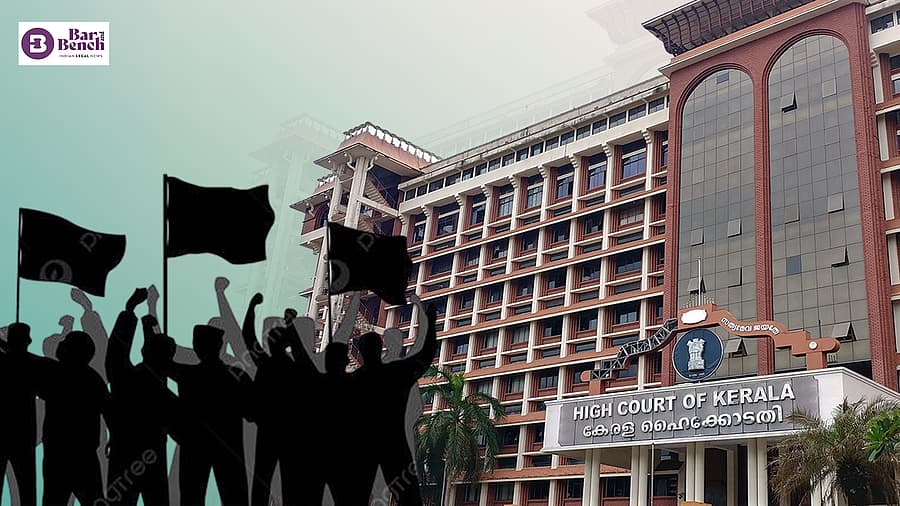
kerala high court denies anticipatory bail to dyfi leaders
Summary
- Kerala High Court denied anticipatory bail to six DYFI leaders accused of assaulting police during liquor policy protest.
- The court ruled that custodial interrogation was necessary due to the seriousness of the allegations and potential interference with the investigation.
- The decision highlights the importance of respecting law and order during protests and demonstrations, and the potential liability for police assault and property damage.
A Protest Turned Violent
The Court noted that releasing the accused could enable them to influence witnesses and interfere with the investigation.
On June 24, 2026, a protest against Kerala's liquor policy organized by the Democratic Youth Federation of India (DYFI) took a violent turn. According to reports, nearly hundred DYFI activists, including six leaders, clashed with police personnel, resulting in injuries to several officers. The incident has sparked concerns about the potential consequences of such protests on law and order in the state.
The accused individuals, Shresha N, Nikhil Babu, Amal CS, Renjith AR, Bhagyalakshmi NS, and Bibin Varghese, had filed anticipatory bail pleas to avoid custodial interrogation. However, their requests were denied by the Kerala High Court on July 27.
Legal Context
The Kerala High Court's decision to deny anticipatory bail to the DYFI leaders was based on the seriousness of the allegations against them. Justice Kauser Edappagath observed that the investigation was at an early stage, and the materials collected prima facie supported the prosecution's claim that the accused had committed a premeditated offence. The Court noted that releasing the accused could enable them to influence witnesses and interfere with the investigation.
The case diary revealed specific overt acts attributed to the applicants, which further strengthened the prosecution's case. The Court's decision highlights the importance of custodial interrogation in cases where serious allegations are made against individuals.
Why It Matters
The Kerala High Court's judgment has significant implications for future protests and demonstrations in the state. Lawyers and compliance officers should take note of the potential liability for police assault and property damage that can arise from such incidents. The case also underscores the need for protesters to respect law and order, and for authorities to ensure that investigations are conducted fairly and impartially.
The decision may set a precedent for similar cases in the future, emphasizing the importance of considering the severity of allegations and the potential consequences of releasing accused individuals before investigation is complete.
Practical Implications
Lawyers and compliance officers should watch for the implications of this judgment on future protests and demonstrations, particularly in relation to potential liability for police assault and property damage.
Source
Source: Original reporting via The Hindu
How does this affect your business?
Get an AI analysis of this article grounded in your jurisdictions, practice areas, and any policy documents you've uploaded to Wansom.