
Kenya Wildlife Service Probes Mysterious Elephant Deaths in Southern Kenya
Summary
- 14 elephants have died in southern Kenya near the Amboseli National Park.
- The Kenya Wildlife Service (KWS) has launched an urgent investigation into the deaths.
- Tissue samples have been sent to laboratories to determine the cause of death.
- This is the first time in decades that such a large number of elephant mortalities have been recorded in the region.
Elephant Mortality in Amboseli Ecosystem
The KWS investigation aims to determine the cause of death, with tissue samples sent to laboratories for analysis.
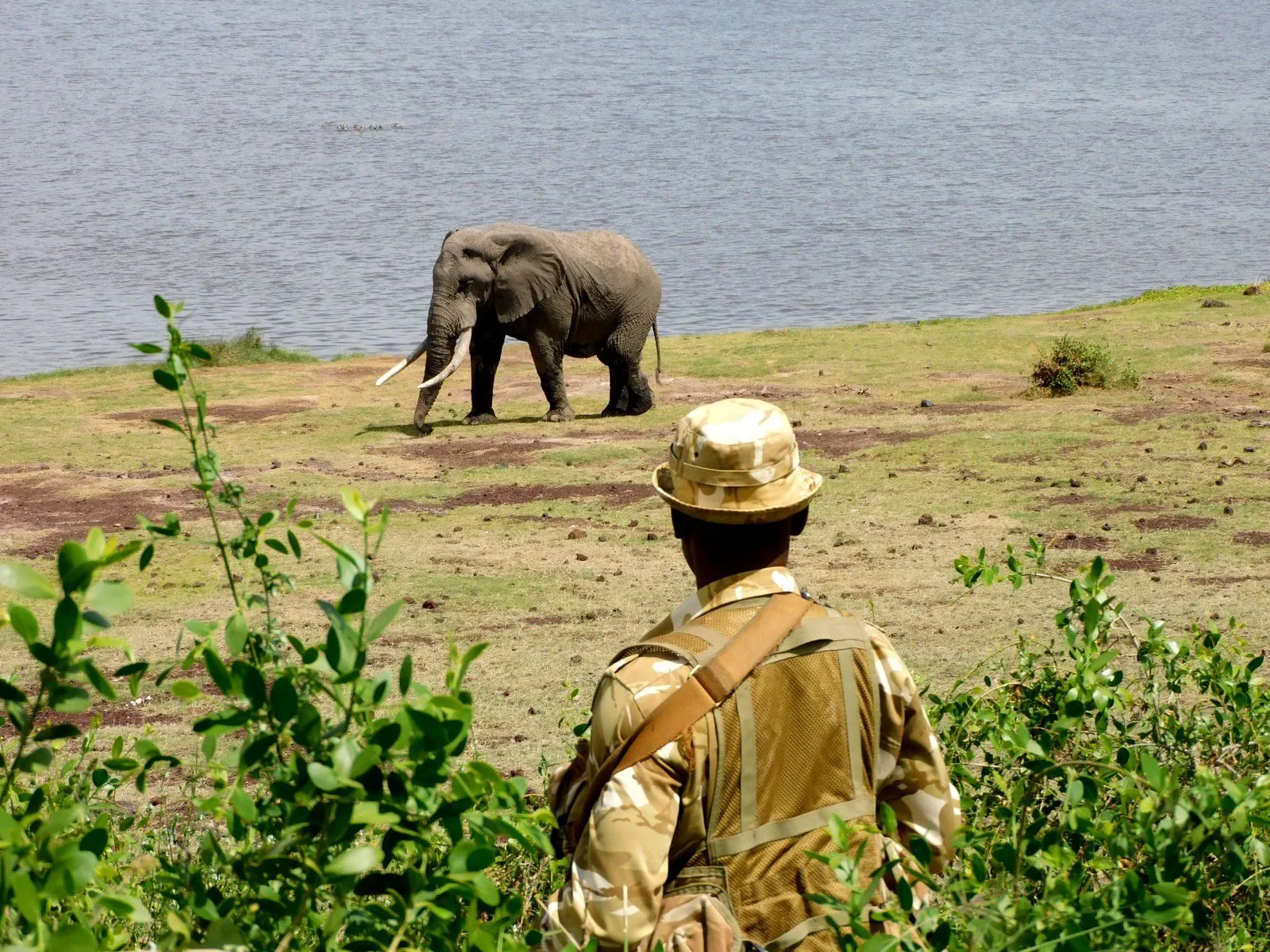
The recent deaths of 14 elephants in southern Kenya have sparked an urgent investigation by the Kenya Wildlife Service (KWS). The affected area, near the Amboseli National Park, is a vast ecosystem that straddles the border with Tanzania and is renowned for its rich wildlife. This is the first time in decades that such a large number of elephant mortalities have been recorded in the region, which has previously seen significant success in combating poaching. The KWS investigation aims to determine the cause of death, with tissue samples sent to laboratories for analysis. The experts are examining the carcasses to identify whether disease, poisoning, or another factor is responsible for the deaths.
Legal and Regulatory Context
The KWS inquiry into the elephant deaths highlights the ongoing efforts to protect wildlife in Kenya. The country has made significant strides in combating poaching, but this incident underscores the need for continued vigilance. Compliance officers in Kenya should take note of any updates on the investigation and potential changes to wildlife conservation regulations or enforcement policies that may arise from it. The KWS's head of communication, Duncan Wanyama, emphasized the importance of cooperation between government agencies, local communities, and international partners in addressing wildlife-related issues.
Why It Matters
The mysterious deaths of 14 elephants in southern Kenya have far-reaching implications for conservation efforts. The incident serves as a reminder that despite progress made in combating poaching, there is still much work to be done to protect wildlife and their habitats. The KWS investigation will provide valuable insights into the cause of death, which can inform policy decisions and guide future conservation initiatives. The Amboseli ecosystem, with its unique biodiversity, requires continued protection and management to ensure the long-term survival of its inhabitants.
Practical Implications
Compliance officers in Kenya should watch for potential updates on the investigation and any resulting changes to wildlife conservation regulations or enforcement policies.
Source
Source: Original reporting via BBC
How does this affect your business?
Get an AI analysis of this article grounded in your jurisdictions, practice areas, and any policy documents you've uploaded to Wansom.