
Kenya Elephant Cyanide Poisoning Investigation Finds Accidental Source
Summary
- Fifteen elephants found dead in Amboseli National Park, Kenya, were likely poisoned by cyanide.
- Wildlife officials suspect strong pesticides used on nearby farms may have been the source of the poison.
- The incident has sparked calls for stricter control over highly toxic substances to prevent them from entering the natural environment.
- Those responsible for the poisoning may face prosecution under Kenya's Wildlife Conservation and Management Act 2013.
What Happened
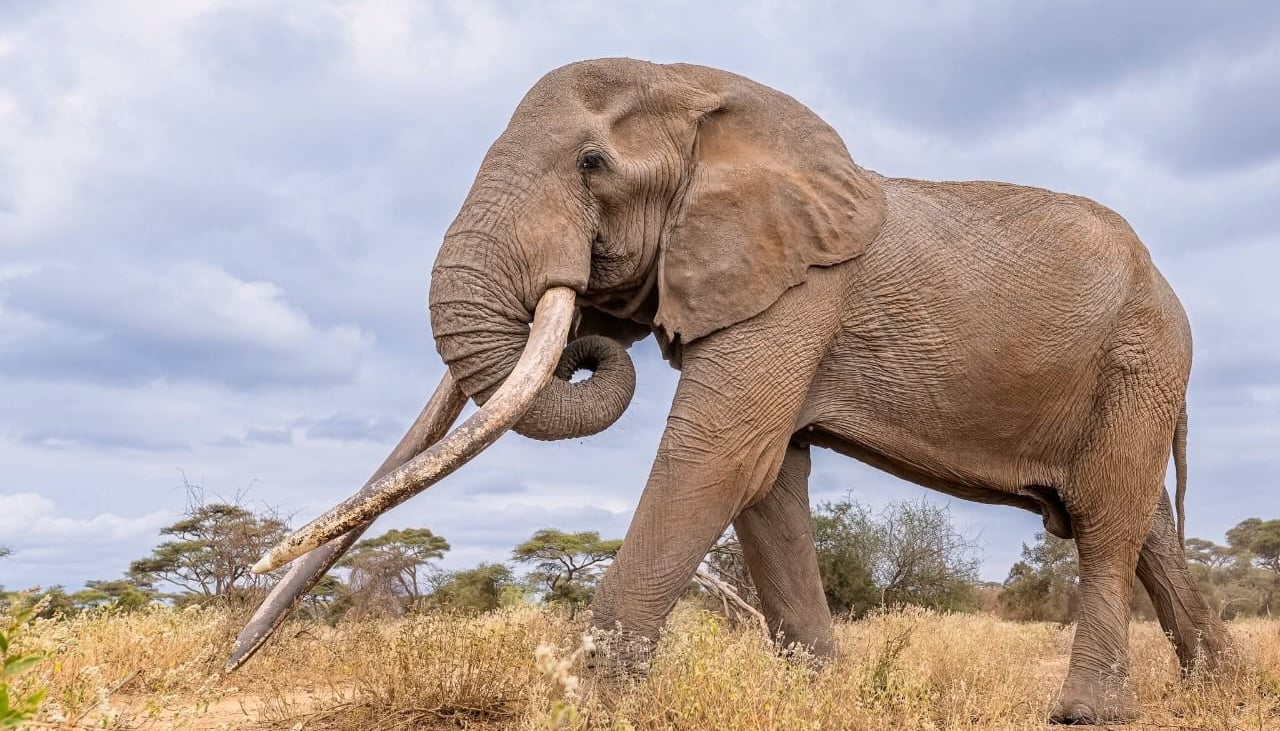
The loss of 15 elephants in Amboseli National Park is a major setback for one of Africa's key elephant populations.
Fifteen elephants found dead in Amboseli National Park, Kenya, were likely poisoned by cyanide. The investigation suggests that the animals ingested the toxic substance through contaminated tomatoes from nearby farms. Wildlife officials suspect that strong pesticides used on these farms may have been the source of the poison. The deaths occurred over a month period, with some elephants dying days after treatment for symptoms such as partial paralysis and inability to stand. At least one elephant died on the farm where the tomatoes were growing, while others staggered towards a water source before succumbing to their injuries.
The investigation is ongoing, but preliminary findings indicate that the poisoning was likely accidental rather than deliberate. However, wildlife officials are now checking whether other farmers in the area use similar chemicals, highlighting concerns about pesticide use and its impact on local wildlife.
Relevant Legal/Regulatory Context
The incident has sparked calls for stricter control over highly toxic substances to prevent them from entering the natural environment. The International Fund for Animal Welfare (IFAW) charity has emphasized the need for responsible handling and strict regulation of pesticides in agricultural operations. Lawyers advising clients on such operations in Kenya should be aware of the potential for pesticide contamination and take steps to prevent it, including proper storage and disposal of chemicals.
The incident also underscores the importance of enforcing existing laws related to wildlife conservation and protection. In Kenya, the Wildlife Conservation and Management Act 2013 provides for penalties against individuals or organizations found guilty of harming or killing wildlife. Those responsible for the cyanide poisoning may face prosecution under this law.
Why It Matters
The loss of 15 elephants in Amboseli National Park is a major setback for one of Africa's key elephant populations. The incident highlights the devastating impact toxic substances can have on wildlife, livestock, people, and ecosystems. It also underscores the urgent need for responsible handling and strict regulation of highly toxic substances to prevent them from entering the natural environment.
The incident serves as a reminder of the importance of protecting Kenya's wildlife heritage and enforcing existing laws related to conservation and protection. As Ben Wandago, IFAW Kenya Director, noted, 'Those responsible must be held fully accountable under the law.'
Practical Implications
Lawyers advising clients on agricultural operations in Kenya should be aware of the potential for pesticide contamination and take steps to prevent it, including proper storage and disposal of chemicals.
Source
Source: Original reporting via AFP
How does this affect your business?
Get an AI analysis of this article grounded in your jurisdictions, practice areas, and any policy documents you've uploaded to Wansom.
Wansom is AI and can make mistakes.