
Judiciary to step up fight against gender-based violence – Koome
Abstract
Chief Justice Martha Koome has announced the Kenyan Judiciary's intensified commitment to combating gender-based violence (GBV) and femicide, marking a critical shift from policy formulation to active implementation. A cornerstone of this renewed effort is the strategic expansion and operationalisation of specialised Gender Justice Courts across the country. These courts, along with strengthened survivor-centred services, enhanced capacity building for justice sector actors, and improved inter-agency coordination, aim to dismantle barriers to justice, expedite case resolution, and ensure a trauma-informed approach for survivors. This initiative underscores the Judiciary's dedication to upholding constitutional rights and fostering a more responsive and equitable justice system in Kenya.
Introduction
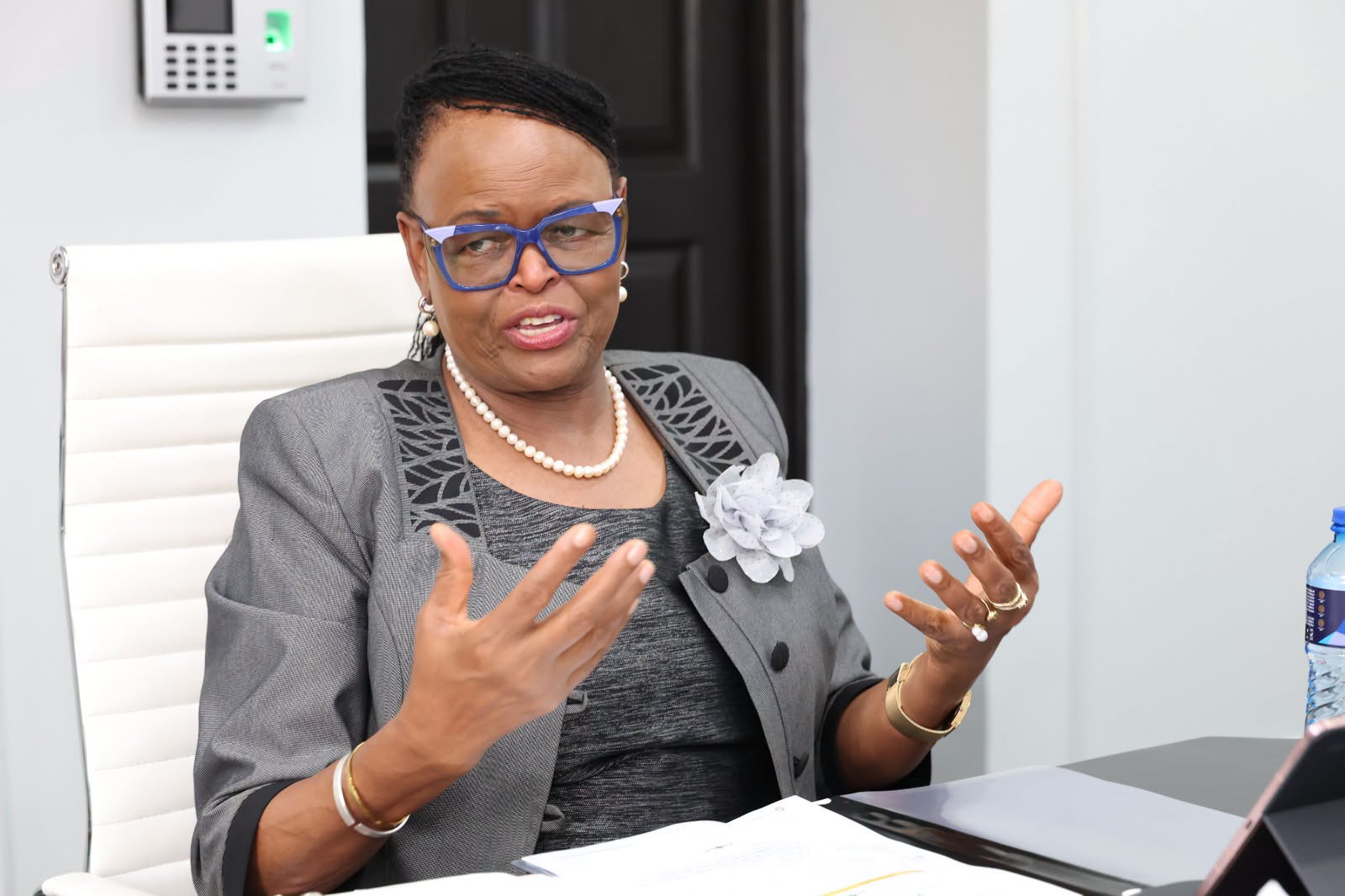
Kenya's Chief Justice, Martha Koome, has declared a resolute commitment by the Judiciary to escalate its fight against the pervasive issues of gender-based violence (GBV) and femicide. This announcement signals a pivotal transition from strategic planning to tangible implementation of reforms aimed at enhancing access to justice for survivors. The Chief Justice, speaking after engagements with the Judiciary’s Gender Justice Implementation Committee and FIDA-Kenya, emphasised that the Judiciary is poised to deliver faster, more responsive, and survivor-centred justice.
The alarming prevalence of GBV and the rising concern over femicide in Kenya necessitate a robust and coordinated national response. The Judiciary's renewed focus is a critical step towards addressing systemic challenges that have historically impeded justice for vulnerable individuals. This initiative is not merely about prosecuting offenders but about fundamentally transforming the judicial landscape to be more empathetic, efficient, and effective in its handling of gender-related crimes.
Central to this invigorated approach is the expansion of specialised Gender Justice Courts, which are designed to provide a dedicated forum for GBV cases. This article will delve into the legal framework underpinning these efforts, analyse the operationalisation and impact of the specialised courts, and explore the broader implications for legal practitioners and the pursuit of gender justice in Kenya.
Background
The legal framework for addressing gender-based violence in Kenya is primarily anchored in the Constitution of Kenya, 2010, which guarantees fundamental rights such as the right to life (Article 26), dignity (Article 28), and security of the person (Article 29). Complementing the Constitution are key legislative instruments, notably the Sexual Offences Act, No. 3 of 2006, and the Protection Against Domestic Violence Act, No. 2 of 2015.
The Sexual Offences Act, 2006, was a landmark piece of legislation, criminalising various sexual crimes including rape, defilement, incest, and sexual assault, and providing for minimum sentences. However, it has faced criticism for certain limitations, such as the explicit exclusion of marital rape liability under Section 43(5) for lawfully married persons. The Protection Against Domestic Violence Act, 2015, was enacted to provide a comprehensive legal measure against domestic violence, defining it broadly to include physical, emotional, economic, and sexual abuse within domestic relationships, and allowing for protection orders and compensation for victims.
Despite these legislative strides, the Kenyan justice system has historically grappled with significant challenges in effectively prosecuting GBV cases. These include case backlogs, delays in investigations and hearings, inadequate evidence collection and preservation, and a lack of trauma-informed approaches, often leading to re-victimisation and low conviction rates. Recognising these gaps, Chief Justice Koome's vision of “Social Transformation through Access to Justice” (STAJ) prioritises addressing these systemic issues, with the establishment of specialised SGBV courts being a direct outcome of this strategic blueprint.
Analysis
The Judiciary's renewed commitment to combating GBV and femicide is primarily operationalised through the expansion of specialised Gender Justice Courts, also known as Sexual and Gender-Based Violence (SGBV) Courts. The first such court was piloted at Shanzu Law Courts in Mombasa on March 10, 2022, demonstrating considerable success by resolving 60 cases, some dating back to 2015, within its first fourteen months. Following this success, 11 additional Gender Justice Courts were launched in June 2023 in SGBV hotspot areas, including Siaya and Kisumu, with plans for further national rollout.
These specialised courts are designed to streamline legal procedures, ensuring prompt and efficient handling of cases. They feature judges and staff specifically trained in the psychological, social, and legal intricacies of sensitive SGBV cases, promoting a trauma-informed and survivor-centred approach. Key features include expedited case management, close collaboration with forensic and medical facilities to enhance evidence collection, and the provision of private testimony rooms or video link options to shield victims from perpetrators. This aims to reduce delays that often lead to survivor fatigue and withdrawal of cases, thereby improving reporting rates and case resolution.
However, significant challenges persist. While a legal framework for GBV exists, the absence of a specific legal definition and framework for 'femicide' remains a major hurdle, with such cases currently prosecuted under general murder provisions in the Penal Code. This lack of explicit classification can obscure the gendered motivation behind these killings, hindering effective investigation, prosecution, and data collection. Furthermore, issues such as inadequate resources for law enforcement, insufficient training on GBV laws, and a prevailing culture of impunity continue to undermine the effectiveness of the justice system.
Chief Justice Koome's strategy also emphasises strengthening survivor-centred services beyond the courtroom, enhancing the capacity of judicial officers and other justice sector actors, and improving coordination across the entire justice chain. This multi-sectoral approach, involving partnerships with government agencies, civil society organisations like FIDA-Kenya, and development partners, is crucial for holistic support, including counselling, medical assistance, and economic empowerment for survivors. The Judiciary's Gender Justice Implementation Committee plays a vital role in developing implementation frameworks, training resources, and engaging stakeholders to ensure these reforms are effectively translated into practice.
Conclusion
The Kenyan Judiciary's renewed commitment, spearheaded by Chief Justice Martha Koome, to combat gender-based violence and femicide through the expansion of specialised Gender Justice Courts and a survivor-centred approach, marks a significant and necessary evolution in the country's justice system. This strategic shift from planning to active implementation, coupled with enhanced capacity building and inter-agency collaboration, holds the promise of delivering more timely, empathetic, and effective justice for survivors. The initial successes of the pilot SGBV courts demonstrate the potential for these reforms to address long-standing systemic inefficiencies and barriers to justice.
For legal practitioners, this development necessitates a deeper engagement with the specialised procedures and trauma-informed practices adopted by these courts. Attorneys representing survivors will need to leverage the streamlined processes and advocate for the comprehensive support services now being integrated into the judicial response. Conversely, those defending individuals accused of GBV must be prepared for more rigorous and expedited proceedings. While the expansion of these courts is a commendable step, continued advocacy for a specific legal framework for femicide and sustained investment in resources across the entire justice chain remain crucial to fully realise the constitutional promise of equal justice for all in Kenya.
Citations
- 1.Constitution of Kenya, 2010
- 2.Sexual Offences Act, No. 3 of 2006
- 3.Protection Against Domestic Violence Act, No. 2 of 2015
- 4.KBC Kenya, "Judiciary to step up fight against gender-based violence – Koome," July 15, 2026.
- 5.Dawan Africa, "Koome Orders Full Rollout of Gender Justice Courts to Tackle Femicide," July 14, 2026.
- 6.EACLJ Staff, "A Look At Kenya's Gender Justice Courts," November 12, 2024.
- 7.Baker McKenzie Resource Hub, "1. Legal provisions | Kenya | Fighting Domestic Violence."
- 8.African Feminism (AF), "Access to Justice for Survivors of S/GBV.," September 10, 2018.
- 9.Wikipedia, "Sexual Offences Act 2006."
- 10.UN Women – Africa, "Magistrate Ivy Wasike: The Woman Redefining Justice for Survivors of Gender-Based Violence in Kenya."
- 11.The Judiciary, "SEXUAL AND GENDER BASED VIOLENCE (SGBV) STRATEGY."
- 12.UN Women, "Meet Martha Koome: Kenya's Chief Justice harnessing tech to end gender-based violence," March 06, 2023.
- 13.Women's Learning Partnership, "Domestic Violence Act of Kenya (document, English)."
- 14.Washington Onyango-Ouma, Njoki Ndung'u et al., "The making of the Kenya sexual offenses act, 2006: Behind the scenes."
- 15.Heinrich Böll Stiftung | Nairobi Office Kenya, Uganda, Tanzania, "The Protection Against Domestic Violence Act (PADV) 2015," August 27, 2015.
- 16.C.F OTIENO & Co. Advocates, "Kenyan Law On Domestic Violence @2018-01-06 06:44:39," January 06, 2018.
- 17.ICJ Kenya, "Unpunished and unchecked: Kenya's culture of impunity around violence against women," September 04, 2025.
- 18.ecoi.net, "Kenya: Domestic violence; legislation; state protection and support services available, especially in Nairobi (2019–June 2021) [KEN200665.E]," July 02, 2021.
- 19.UN Women, "Kenya launched 2 more Specialized Sexual and Gender Based Violence (SGBV) Courts," June 20, 2023.
- 20.The Star, "Lack of legal framework a major challenge in handling femicide cases - taskforce," May 22, 2025.
- 21.The Judiciary, "CJ Koome calls for efficient investigations and fast tracking of SGBV cases," December 20, 2023.
- 22.UC Berkeley Law, "A SIMPLIFIED VERSION OF THE SEXUAL OFFENCES ACT 2006."
- 23.SheriaPlex LPMS, "Sexual Offences Act in Kenya."
- 24.ICJ Kenya, "Vanished Voices: Kenya's Escalating Femicide Emergency," April 15, 2025.
- 25.UAF, "The Rising Trend of Gender Based Violence in Kenya: A call for Urgent Action."
- 26.The Judiciary, "Meeting with members of the Kenya Women Parliamentarians Association (KEWOPA)," April 04, 2025.
- 27.odpp, "rapid reference guide on the prosecution of sexual and gender based cases in kenya."
- 28.Amnesty Kenya, "THE MISSING CRIME: FEMICIDE IN AFRICAN LEGAL SYSTEMS," December 10, 2025.
How does this affect your business?
Get an AI analysis of this article grounded in your jurisdictions, practice areas, and any policy documents you've uploaded to Wansom.