
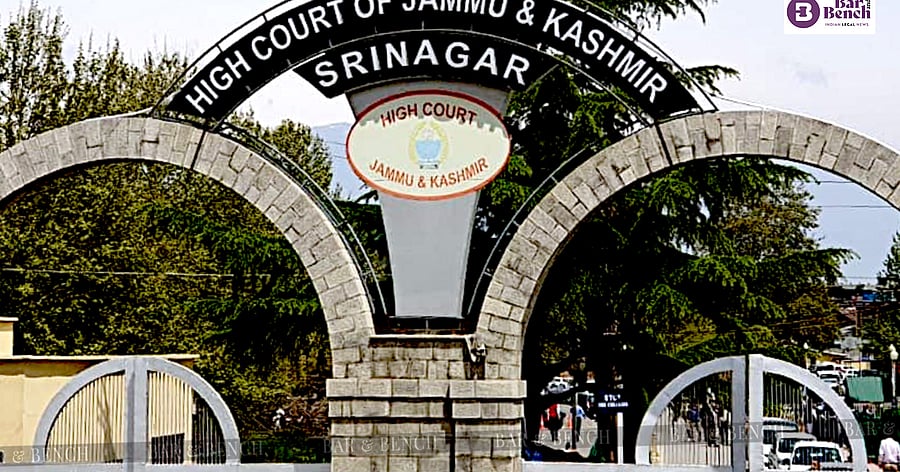
Jammu & Kashmir High Court quashes defamation case against Times Group's Vineet Jain
Abstract
The Jammu & Kashmir and Ladakh High Court has quashed a criminal defamation case against Vineet Jain, managing director of Times Group, over the publication of an engineer's photograph in a news report about the killing of an Army personnel. The court ruled that under the Press and Registration of Books Act, 1867, the statutory responsibility for selecting newspaper content rests with the editor, and there was no allegation that Jain had any role in selecting the news. The court also found that the publication was not defamatory in nature, as being mistaken for an Army personnel would enhance a person's reputation rather than harm it.
Introduction
The recent decision of the Jammu & Kashmir and Ladakh High Court has significant implications for media professionals and individuals involved in defamation cases. The court's ruling quashed a criminal defamation complaint against Vineet Jain, managing director of Times Group, over the publication of an engineer's photograph in a news report about the killing of an Army personnel. This development is crucial as it highlights the importance of understanding the statutory responsibilities of editors and the lack thereof for other individuals involved in media publications.
Background
The Press and Registration of Books Act, 1867, plays a pivotal role in this case. The statute outlines the responsibilities of editors in selecting newspaper content. In this instance, the court relied on this legislation to determine that Vineet Jain, as managing director of Times Group, could not be held liable for defamation. This ruling underscores the importance of understanding the statutory framework governing media publications and the roles of individuals involved.
Analysis
In conclusion, the Jammu & Kashmir and Ladakh High Court's decision has significant implications for media professionals and individuals involved in defamation cases. The ruling highlights the importance of understanding statutory responsibilities, scrutinizing allegations, and upholding the principles of media freedom. As such, this development is crucial for legal professionals to consider when navigating defamation cases.
Conclusion
In light of this decision, it is essential for media professionals and individuals involved in defamation cases to carefully examine the statutory framework governing media publications and the roles of individuals involved. This will enable them to better understand their responsibilities and navigate the complexities of defamation law.
How does this affect your business?
Get an AI analysis of this article grounded in your jurisdictions, practice areas, and any policy documents you've uploaded to Wansom.