
Iraq Denies Involvement in US Saudi Airstrikes on Iraqi Soil
Summary
- Iraq denies involvement or prior knowledge of US-Saudi airstrikes against Iran-backed militants on its territory.
- US officials previously claimed the strikes were coordinated with Baghdad, contradicting Iraq's official statements.
- The incident raises concerns about potential liability exposure for foreign governments or entities involved in military actions within another country's territory without consent.
- Iraqi authorities say they did not approve the US-Saudi strikes, which resulted in significant loss of life and property damage.
What Happened
Iraq did not coordinate with Washington on these military actions, contradicting earlier claims by US officials.
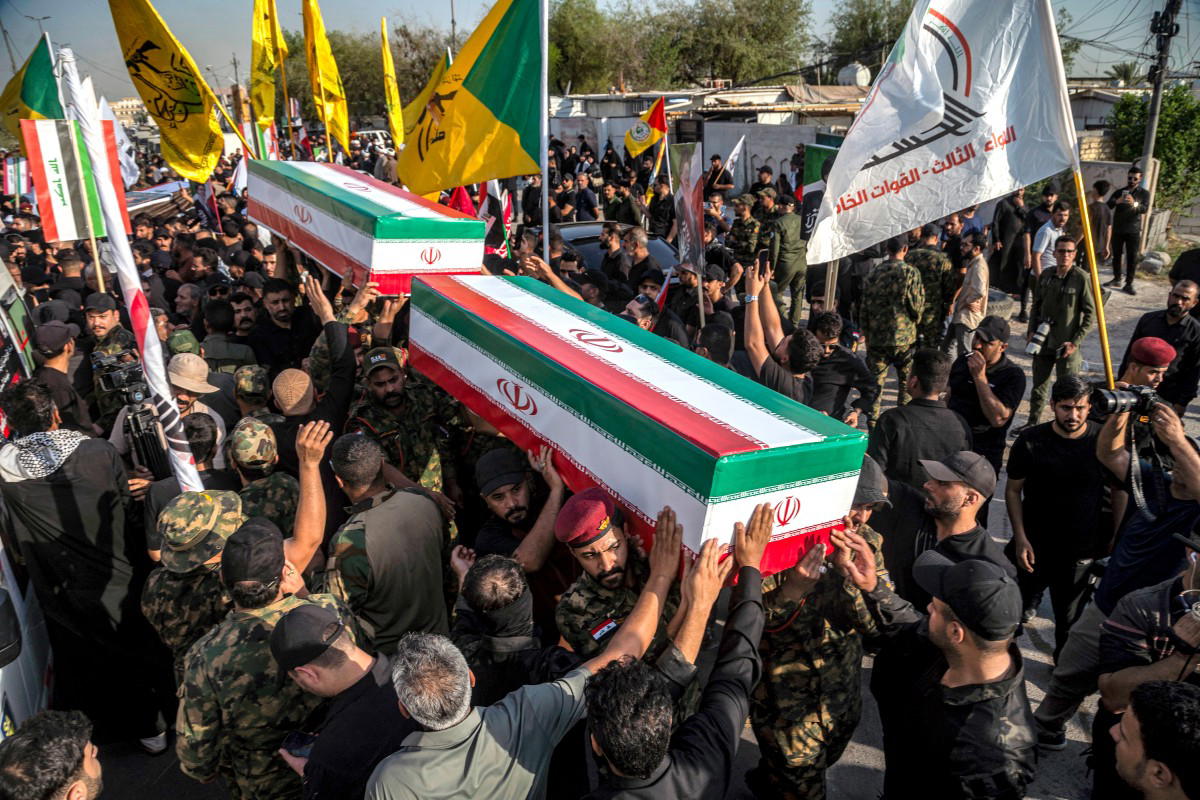
Iraqi authorities have denied any involvement or prior knowledge of the recent US-Saudi airstrikes against Iran-backed militants on Iraqi soil. The strikes, which resulted in significant loss of life and property damage, were reportedly carried out without Baghdad's approval. According to official statements, Iraq did not coordinate with Washington on these military actions, contradicting earlier claims by US officials. This development has sparked concerns about potential liability exposure for foreign governments or entities involved in military actions within another country's territory without the host state's consent.
Legal Context
The incident highlights the complexities of international law governing foreign military interventions, particularly when it comes to compliance with the territorial sovereignty of host states. The principle of non-interference in the internal affairs of another country is a cornerstone of international relations, and any breach of this principle can have far-reaching consequences. In this case, Iraq's denial of involvement raises questions about the legitimacy of the US-Saudi strikes under international law, potentially exposing those involved to liability for violating Iraqi sovereignty. Lawyers and compliance officers should take note of these developments, as they may impact future military operations or foreign investments in countries with sensitive geopolitical landscapes.
Why It Matters
The controversy surrounding the US-Saudi airstrikes on Iraqi soil has significant implications for international relations, national security, and global governance. The incident underscores the need for clear communication and coordination between governments involved in military actions, especially when operating within another country's territory. Moreover, it highlights the importance of respecting territorial sovereignty and adhering to international law, which can help prevent conflicts and promote stability in regions with complex geopolitical dynamics.
Practical Implications
Lawyers and compliance officers should watch for potential liability exposure for foreign governments or entities involved in military actions within another country's territory, without the host state's approval.
Source
How does this affect your business?
Get an AI analysis of this article grounded in your jurisdictions, practice areas, and any policy documents you've uploaded to Wansom.
Wansom is AI and can make mistakes.