
Indian Supreme Court Bans Sharing Court Video Recordings on Social Media
Summary
- The Indian Supreme Court issued an interim order on July 24, 2026, restricting the sharing of court video recordings on social media.
- The order prohibits monetization, posting, re-posting, uploading, transmitting, and modifying recordings of judicial proceedings.
- The move aims to prevent the misuse of court video recordings and maintain dignity and integrity of the legal process.
What Happened
The Supreme Court's order is aimed at preventing the misuse of court video recordings, which have been used to spread misinformation and create public unrest.
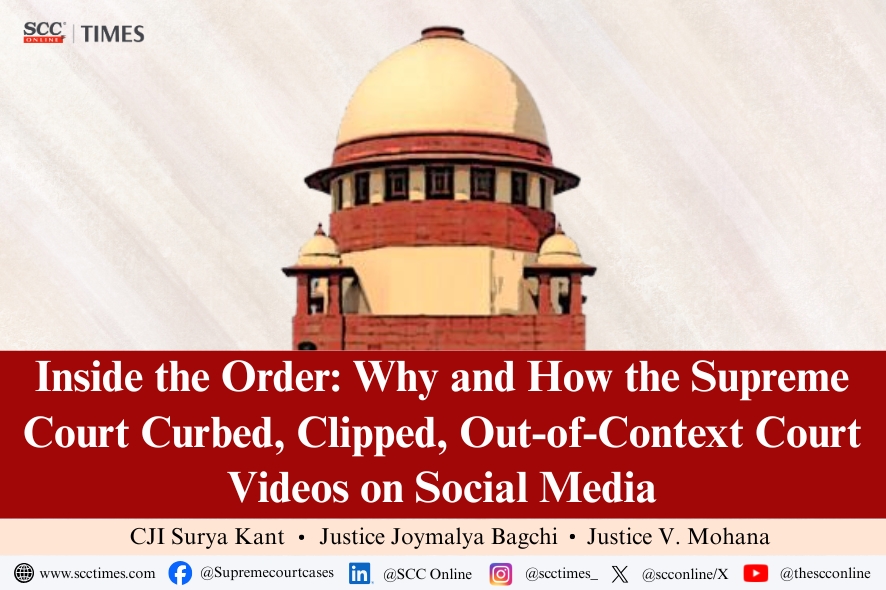
On July 24, 2026, the Indian Supreme Court issued an interim order restricting the sharing of court video recordings on social media. The order prohibits monetization, posting, re-posting, uploading, transmitting, and modifying recordings of judicial proceedings. This move comes in response to concerns raised by a petitioner about the selective circulation of edited and decontextualized portions of court hearings on social media platforms.
Legal Context
The Supreme Court's order is aimed at preventing the misuse of court video recordings, which have been used to spread misinformation and create public unrest. The court has taken a proactive approach in regulating online content related to judicial proceedings. This development highlights the need for courts to balance the right to free speech with the need to maintain dignity and integrity of the legal process.
Why It Matters
The Supreme Court's order has significant implications for lawyers, compliance officers, and social media teams. They must now be aware of the new restriction and ensure that their clients' social media content is in line with the court's guidelines to avoid potential contempt of court charges. This development underscores the importance of responsible online behavior and the need for courts to take a firm stance against the misuse of judicial proceedings.
Practical Implications
Lawyers and compliance officers should be aware of the new restriction and ensure that their clients' social media teams are informed to avoid potential contempt of court charges for sharing out-of-context court videos.
Source
Source: Original reporting via SCC Times
How does this affect your business?
Get an AI analysis of this article grounded in your jurisdictions, practice areas, and any policy documents you've uploaded to Wansom.