
Allahabad High Court: No 2-Year Gap for Second Maternity Leave
Summary
- The Indian government has introduced a revised salary structure, which includes the 50% wage rule.
- Employees will receive at least half of their basic wages as a fixed component of their remuneration.
- Employers must ensure that employees receive fair compensation and comply with the new wage rule.
- Lawyers should be prepared to advise clients on compliance with the revised salary structure.
What Happened
The revised salary structure is expected to have far-reaching implications for employers, employees, and the overall economy.
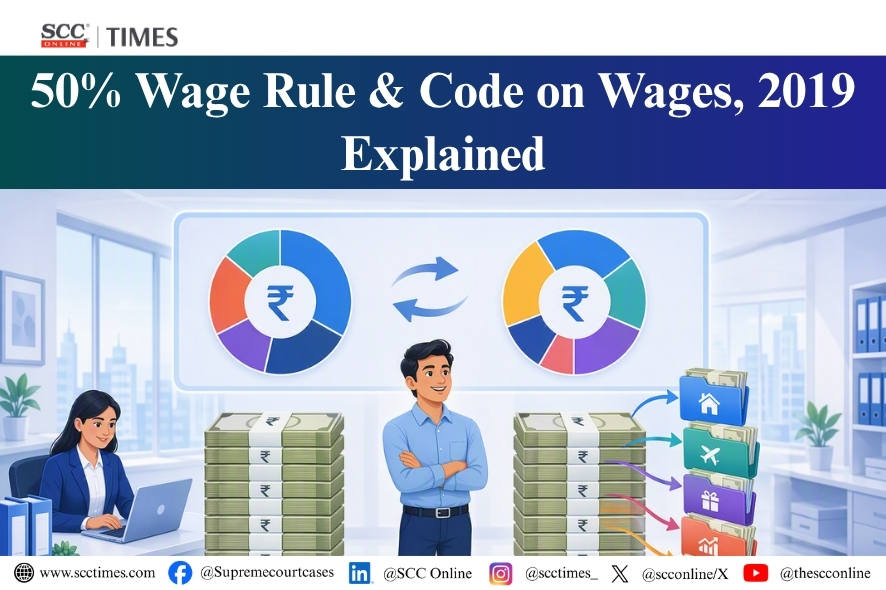
The Indian government has introduced a revised salary structure, which includes the 50% wage rule. This new provision aims to ensure that employees receive at least half of their basic wages as a fixed component of their remuneration. The move is part of the Code on Wages, 2019, which seeks to consolidate and amend laws related to wages and bonus. According to the revised structure, the remaining 50% can be paid as variable pay or incentives. However, employers must ensure that the total remuneration package does not fall below the minimum wage threshold.
The Code on Wages has undergone several revisions since its introduction in 2019. The latest amendments aim to provide a more comprehensive framework for regulating wages and ensuring fair compensation for employees. The revised salary structure is expected to have far-reaching implications for employers, employees, and the overall economy.
Legal Context
The Code on Wages, 2019, was enacted to consolidate and amend laws related to wages and bonus. The code aims to provide a comprehensive framework for regulating wages and ensuring fair compensation for employees. The revised salary structure is part of the code's provisions, which seek to promote transparency and fairness in wage payments. According to the code, employers must ensure that employees receive at least the minimum wage threshold, which varies by state and industry. The code also provides for a mechanism for resolving disputes related to wages and bonus.
The revised salary structure is expected to have significant implications for employers, particularly those operating in industries with fluctuating demand or uncertain revenue streams. Employers must be prepared to adapt their compensation structures to comply with the new wage rule and ensure that employees receive fair remuneration.
Why It Matters
The revised salary structure has significant implications for employers, employees, and the overall economy. Employers must be prepared to adapt their compensation structures to comply with the new wage rule and ensure that employees receive fair remuneration. Employees, on the other hand, can expect to receive at least half of their basic wages as a fixed component of their remuneration. The revised salary structure is also expected to promote transparency and fairness in wage payments, which can lead to increased productivity and employee satisfaction.
Lawyers should watch for the potential impact of the revised salary structure on their clients' compensation and be prepared to advise on compliance with the new wage rule. Employers must ensure that they are aware of the minimum wage threshold and the revised salary structure to avoid any potential disputes or penalties.
Practical Implications
Lawyers should watch for the potential impact of the revised salary structure on their clients' compensation, and be prepared to advise on compliance with the new wage rule.
Source
Source: Original reporting via SCC Times
How does this affect your business?
Get an AI analysis of this article grounded in your jurisdictions, practice areas, and any policy documents you've uploaded to Wansom.
Wansom is AI and can make mistakes.