
IMF Reaches Staff-Level Agreement with Bolivia on $1.9B Bailout
Summary
- The IMF has reached a staff-level agreement with Bolivia for a new $1.9 billion bailout program over three years.
- The program aims to help catalyze additional financing from other development partners, contributing to a broader financing package of over $5 billion.
- Bolivia's economic crisis is marked by double-digit inflation, a contracting economy, and a rapidly devaluing currency.
- The IMF's new program will focus on restoring fiscal sustainability, strengthening social safety nets, and modernizing the exchange rate regime.
Bolivia's Economic Crisis Deepens
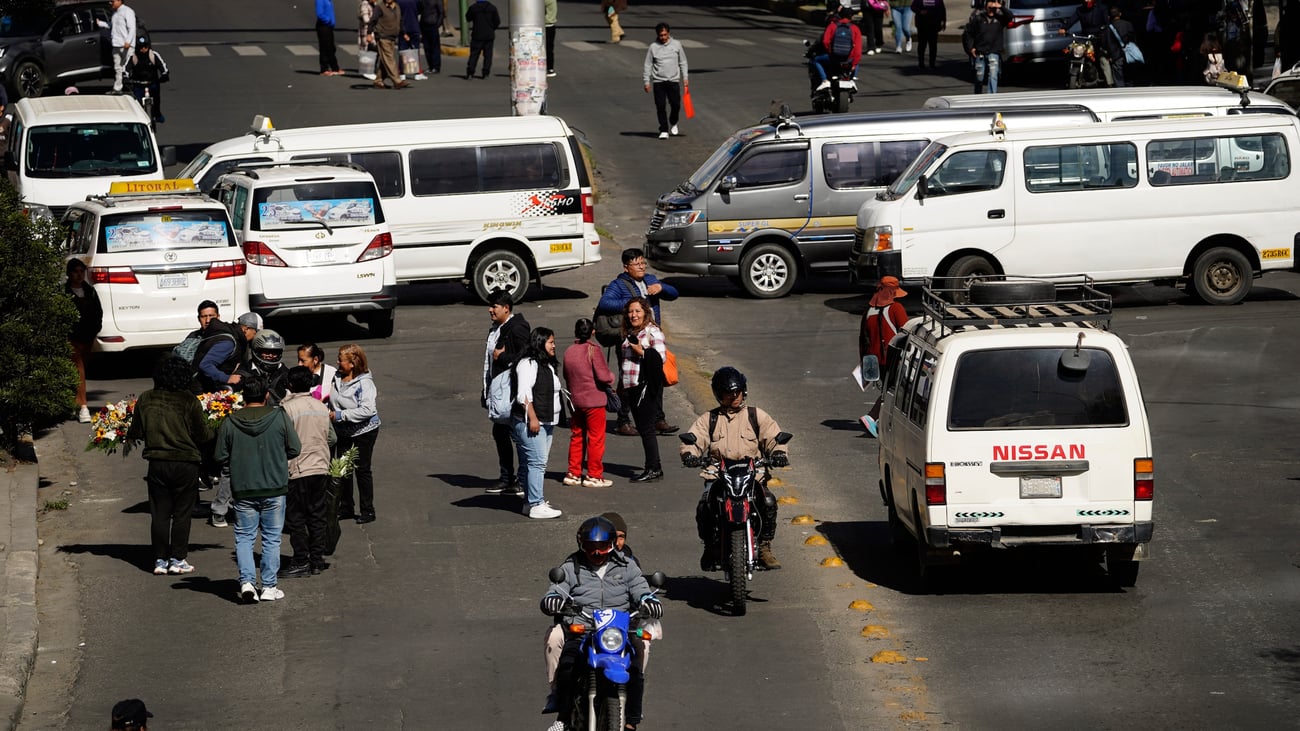
The Bolivian economy has been struggling with its worst crisis in four decades, marked by double-digit inflation, a contracting economy, and a rapidly devaluing currency. The country's dollar reserves have been severely depleted due to a collapse in gas production over the past decade. This has led to a 60% depreciation of the Bolivian currency against the US dollar since it lifted its 15-year peg last month. President Rodrigo Paz declared a state of emergency on June 20 after nearly two months of opposition road blockades, which strangled supplies of food, medicine, and fuel to major cities. The blockades have since been taken down by security forces, but the economic crisis remains unresolved.
IMF Bailout Agreement Reached
The International Monetary Fund (IMF) has reached a staff-level agreement with Bolivia for a new $1.9 billion bailout program over three years. The program is subject to the implementation of certain prior actions and the approval of the IMF's board, which will determine the timing and terms of the bailout. According to IMF official Joana Pereira, the program aims to help catalyze additional financing from other development partners, contributing to a broader financing package of over $5 billion over the program period. This agreement comes as Bolivia struggles with persistent fiscal deficits, declining hydrocarbon production, dwindling reserves, and other serious economic issues.
Prior Actions and Implementation
The IMF's new program for Bolivia will focus on restoring fiscal sustainability, strengthening social safety nets, and modernizing the exchange rate regime. It will also aim to build resilience in the financial sector and enhance competitiveness and governance. However, the implementation of prior actions and the approval of the Fund's board are crucial steps that will determine the timing and terms of the $1.9 billion bailout. Lawyers advising clients in Bolivia should closely monitor these developments as they will have significant implications for the country's economic recovery.
Practical Implications
Lawyers advising clients in Bolivia should watch for the implementation of prior actions and the approval of the Fund's board, which will determine the timing and terms of the $1.9 billion bailout.
Source
How does this affect your business?
Get an AI analysis of this article grounded in your jurisdictions, practice areas, and any policy documents you've uploaded to Wansom.