
IFEST Questions Feasibility of World Bank-Funded Plan to Abolish Double-Track System
Abstract
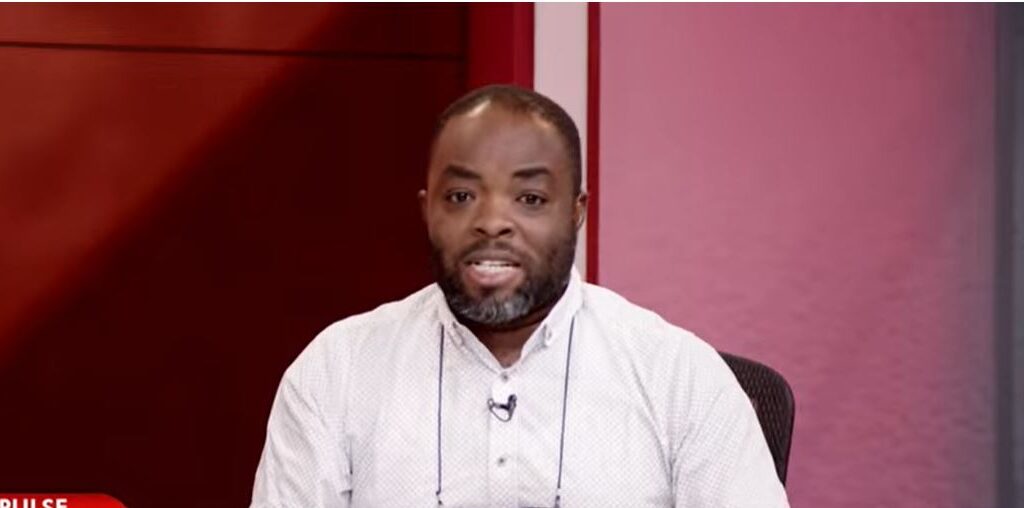
The Institute for Education Studies (IFEST) has expressed doubts about the government's ability to eradicate the double-track system in Senior High Schools (SHSs) by 2027, citing World Bank funding as insufficient to achieve this goal. According to Dr Peter Anti Partey, the Executive Director of IFEST, the plan may be overly ambitious and may not yield the desired results without additional resources and support. The double-track system has been a contentious issue in Ghana's education sector, with many stakeholders calling for its abolition due to its negative impact on students' academic performance and well-being.
Introduction
The government of Ghana has set a target to eliminate the double-track system in Senior High Schools (SHSs) by 2027, but the Institute for Education Studies (IFEST) has questioned the feasibility of this plan. Dr Peter Anti Partey, the Executive Director of IFEST, recently expressed doubts about the sufficiency of World Bank funding to achieve this goal. The double-track system has been a long-standing issue in Ghana's education sector, with many stakeholders calling for its abolition due to its negative impact on students' academic performance and well-being.
Background
The double-track system was introduced in 2018 as a temporary measure to alleviate congestion in SHSs. However, it has proven to be a contentious issue, with many stakeholders arguing that it is unsustainable and detrimental to students' education. The government's plan to eliminate the double-track system by 2027 is part of its efforts to improve the quality of education in Ghana. However, Dr Partey's comments have raised concerns about the sufficiency of resources and support needed to achieve this goal.
Analysis
The World Bank has provided funding to support the government's plan to eliminate the double-track system, but it may not be sufficient to achieve this goal. According to Dr Partey, the plan may be overly ambitious and may not yield the desired results without additional resources and support. The double-track system has been a long-standing issue in Ghana's education sector, and its abolition will require significant investment and commitment from the government and other stakeholders.
Conclusion
The outcome of this matter has not yet been reported, but Dr Partey's comments have raised concerns about the feasibility of the government's plan to eliminate the double-track system by 2027. Practitioners in the education sector should continue to monitor developments on this issue and advocate for additional resources and support to ensure that students receive quality education.
How does this affect your business?
Get an AI analysis of this article grounded in your jurisdictions, practice areas, and any policy documents you've uploaded to Wansom.