
Ghana students becoming drug dealers, NACOC warns of rising trend
Summary
- Illicit substances are increasingly being concealed in everyday products consumed by young people in Ghana.
- Students are becoming involved in the sale and distribution of illicit drugs, posing a significant challenge to schools and universities.
- The media has a critical role to play in helping the government combat drug abuse through investigative journalism.
Illicit Substances in Everyday Products: A Growing Concern
It is sad that people are having this in the system. One sad part is even where now students are becoming a trade source, and they are the ones leading in selling these things. It’s sad.
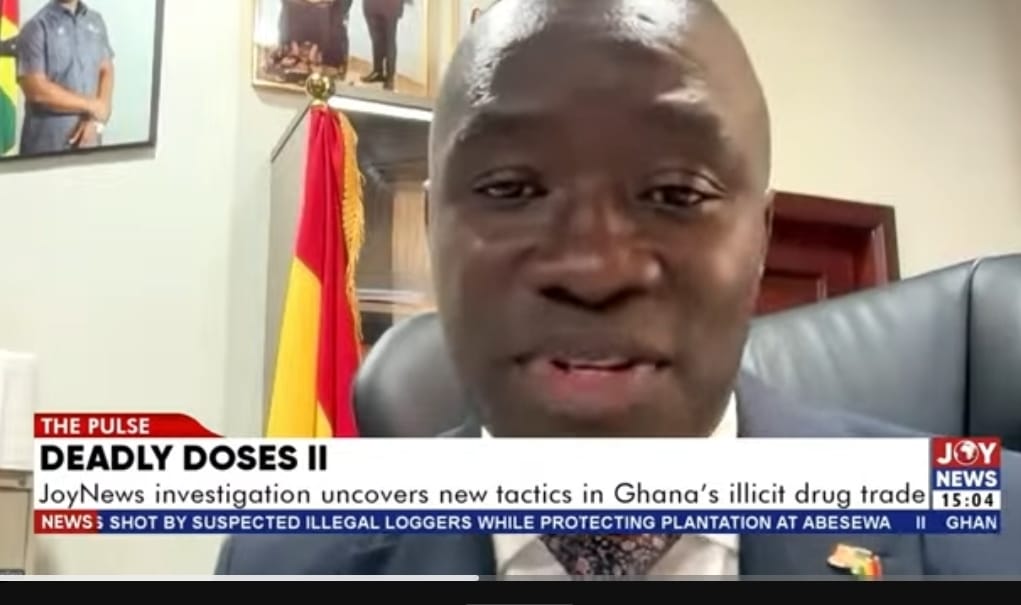
The increasing trend of concealing illicit substances in everyday products consumed by young people is a worrying development in Ghana's fight against drug abuse. According to the latest edition of 'Deadly Doses,' a JoyNews investigative documentary series, traffickers are now moving beyond open sale of narcotics in known hotspots and instead hiding substances like marijuana and opioids in products such as sobolo, brownies, and gummies. This shift makes detection more difficult, posing a significant challenge to law enforcement agencies. The Narcotics Control Commission (NACOC) has expressed concern over this trend, with the Deputy Director General for Enforcement, Control, and Elimination, Alexander Twum-Barimah, urging media organizations to use investigative journalism to bring attention to the realities of drug abuse in communities where it remains hidden.
Students Becoming Drug Dealers: A Worrying Trend
The involvement of students in the sale and distribution of illicit drugs is a disturbing trend emerging in Ghana's fight against substance abuse. According to Mr. Twum-Barimah, it is 'sad' that young people who should be protected from narcotics are increasingly becoming part of the supply chain. This development has significant implications for schools and universities, which must now contend with the presence of illicit substances on their campuses. The NACOC remains committed to reducing drug abuse in Ghana through enforcement, control, prevention, and public education programs.
The Role of Media in Combating Drug Abuse
The media has a critical role to play in helping the government reach remote areas where drug abuse is prevalent. According to Mr. Twum-Barimah, 'we need everyone on board' in this fight against narcotics-related challenges. The Multimedia Group's efforts in highlighting the issue through investigative journalism have been commended by NACOC, and other media organizations are urged to emulate their example. By bringing attention to the realities of drug abuse, the media can help reduce the stigma associated with substance abuse prevention.
Practical Implications
Lawyers should be aware of the increasing trend of illicit substances being concealed in everyday products consumed by young people, and advise clients on potential compliance exposures related to substance abuse prevention.
Source
Source: Original reporting via JoyNews
How does this affect your business?
Get an AI analysis of this article grounded in your jurisdictions, practice areas, and any policy documents you've uploaded to Wansom.