
Ghana Clears $240m Payment Gaps with IPPs Under Government Reforms
Summary
- The government has renegotiated IPP agreements, resulting in savings of over $240 million.
- The Deputy Energy Minister emphasized that the goal is to achieve 100% monthly payments to IPPs.
- Improved collections by ECG and NEDCo are contributing to stronger financial discipline within the sector.
- A stable power supply remains essential for Ghana's economic development, powering industrial activities and small businesses.
Government Renegotiates IPP Agreements
Which is one of the reasons why we keep saying that we haven’t gone back to the system where we have high outstanding debts, because we are able to pay IPPs. Some IPPs are being paid almost about 80 to 90%, and we are looking forward to a time where we will be able to achieve 100 percent monthly IPP payments.
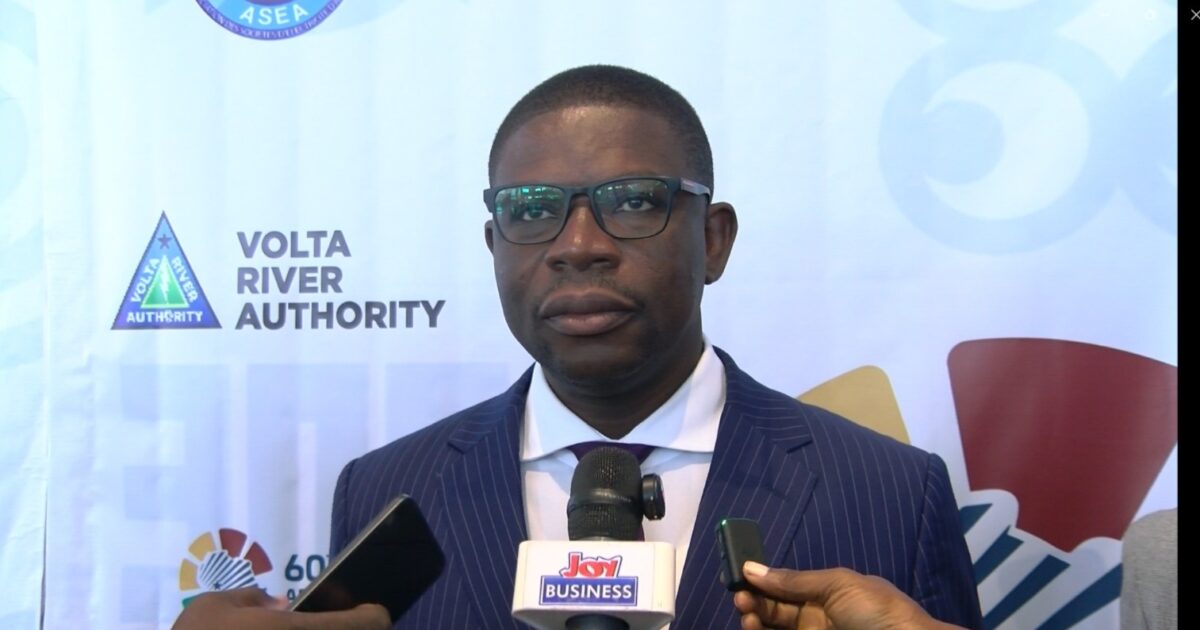
The government has been working to clear payment gaps with Independent Power Producers (IPPs) in Ghana's energy sector. As part of ongoing reforms, the government has renegotiated IPP agreements, resulting in savings of over $240 million. This effort is aimed at improving financial sustainability and reducing costs within the sector. The Deputy Energy Minister, Richard Gyan-Mensah, emphasized that the government's goal is to achieve 100% monthly payments to IPPs, with some already receiving up to 90% of their due amounts. Improved collections by the Electricity Company of Ghana (ECG) and the Northern Electricity Distribution Company (NEDCo) are also contributing to stronger financial discipline within the sector.
The government's renegotiation of IPP agreements has been a key aspect of its efforts to address the challenges inherited from previous administrations, including high IPP debts and system inefficiencies. By focusing on tariff reviews and strengthening the cash waterfall mechanism, the government aims to improve revenue management and ensure sustainability in the energy sector.
Financial Stability and Economic Development
The importance of reliable and affordable electricity in supporting Ghana's economic development cannot be overstated. A stable power supply is essential for expanding industrial activities, supporting the mining sector, and enabling small and medium-sized enterprises to grow. The Chief Executive Officer of the Volta River Authority (VRA), Edward Obeng Kenzo, emphasized that a stable power supply remains the foundation for Ghana's economic transformation agenda. He noted that reliable and affordable electricity is now the bedrock of the economy, powering the mining industry and small and medium-sized enterprises.
The government's efforts to improve financial sustainability in the energy sector are critical to achieving this goal. By reducing costs and preventing a return to large outstanding debts owed to IPPs, the government can ensure that the energy sector is better positioned to support Ghana's economic development.
Legal Context
The government's renegotiation of IPP agreements may set a precedent for future disputes or changes to existing arrangements. Lawyers and compliance officers should be aware of the potential impact on IPP contracts and payment terms. The government's efforts to improve financial sustainability in the energy sector are likely to have far-reaching implications for the industry, including the potential for new investment opportunities and partnerships.
The African Power Pool (APUA) has been a key player in promoting regional cooperation and integration in the power sector. The 60th Annual Meeting of APUA provided a platform for stakeholders to discuss the challenges facing the energy sector and explore solutions for improving financial sustainability.
Practical Implications
Lawyers and compliance officers should watch for the potential impact on IPP contracts and payment terms, as the government's renegotiation of agreements may set a precedent for future disputes or changes to existing arrangements.
Source
How does this affect your business?
Get an AI analysis of this article grounded in your jurisdictions, practice areas, and any policy documents you've uploaded to Wansom.