
Genocide Fugitives Face Uncertain Future as Rwanda and South Africa Turn a New Page
Briefly Analysis
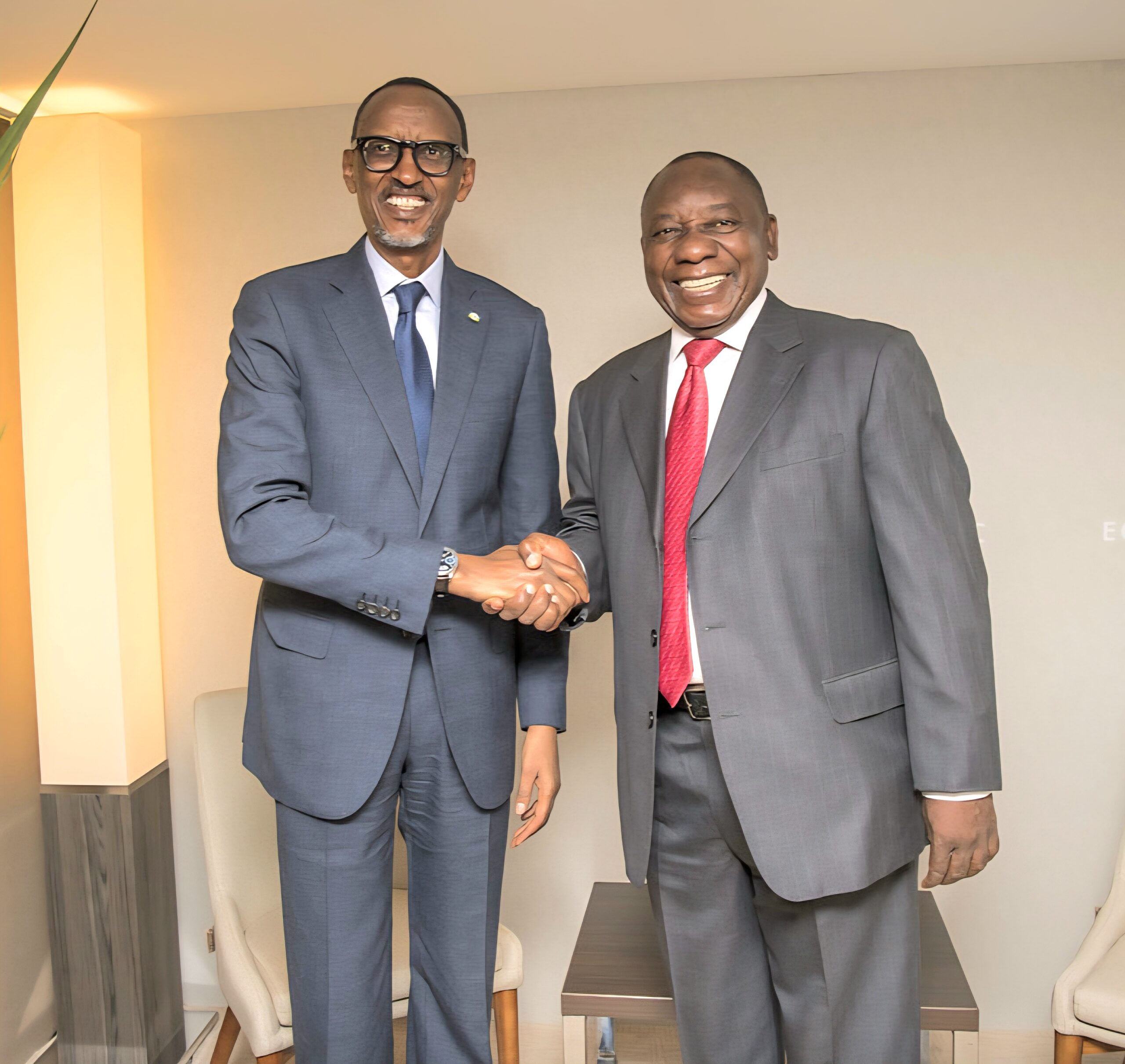
The recent diplomatic rapprochement between Rwanda and South Africa signals a significant shift in the extradition landscape for individuals accused of involvement in the 1994 Genocide against the Tutsi. For years, the legal relationship between Pretoria and Kigali was strained, often resulting in a stalemate regarding the extradition of high-profile fugitives residing in South Africa. This new chapter suggests a move toward enhanced judicial cooperation, potentially streamlining the legal mechanisms required to bring suspects to justice. As diplomatic channels reopen, the focus shifts to whether South Africa’s judiciary will now find fewer procedural hurdles in processing extradition requests that have historically been stalled by political friction and complex evidentiary requirements.
From a legal standpoint, this development is critical for practitioners specializing in international criminal law and extradition. The legal framework governing these transfers relies heavily on the Extradition Act of South Africa and the bilateral treaties or memoranda of understanding that may be revitalized under this new diplomatic climate. Practitioners must monitor how the South African courts interpret the principle of 'double criminality' and the potential for political interference claims, which have been common defense strategies in previous extradition litigation. The shift indicates that the evidentiary threshold for establishing a prima facie case may be met with greater cooperation from Rwandan authorities, potentially accelerating the judicial review process for pending cases.
For legal professionals, the takeaway is clear: the landscape for cross-border criminal justice in the Southern African Development Community and the East African Community is evolving. Attorneys representing clients with potential exposure to these extradition proceedings should prepare for a more robust and collaborative prosecutorial approach. It is essential to review the current status of bilateral judicial assistance agreements and anticipate that the South African Department of Justice and Constitutional Development may adopt a more proactive stance in facilitating these requests. Monitoring the specific rulings of the South African High Court in upcoming extradition hearings will be vital for assessing the practical impact of this diplomatic thaw on the rights of the accused and the efficacy of international justice mechanisms.