
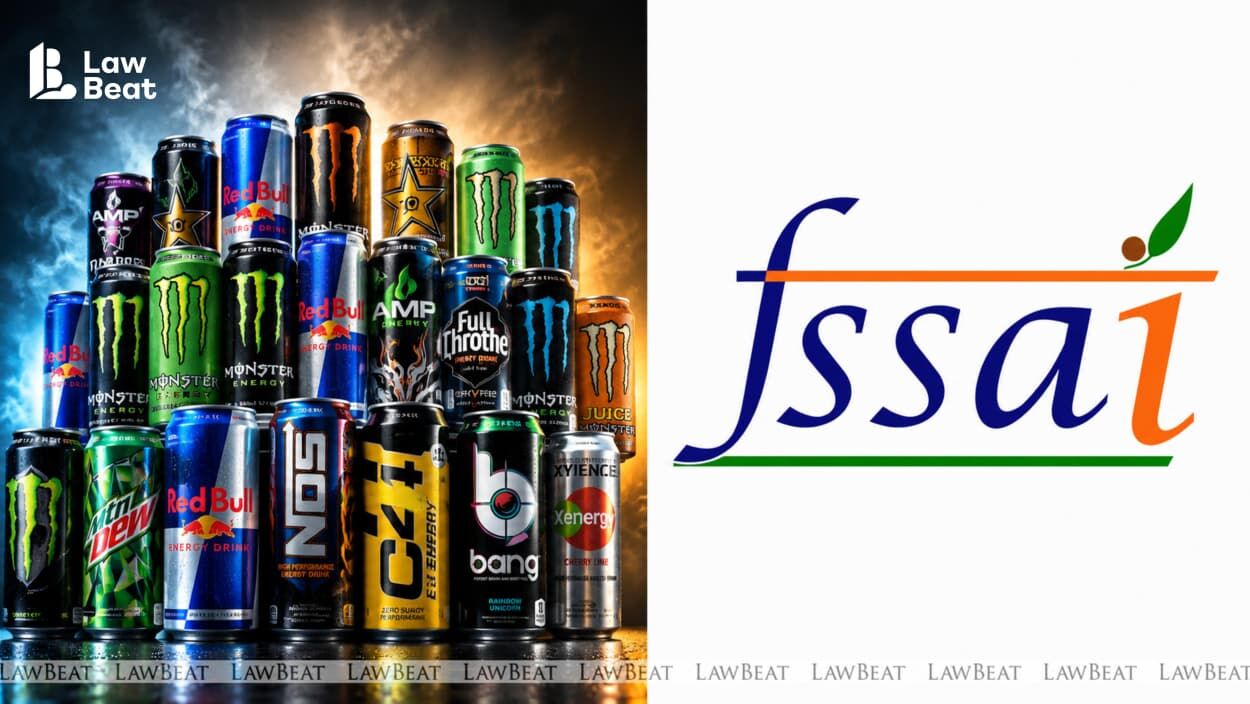
FSSAI Orders Indian Energy Drinks to Drop 'Energy Drink' Label
Summary
- FSSAI has ordered major beverage makers to drop 'energy drink' label from products within 90 days.
- Companies must remove phrasing that implies health or performance benefits from labels.
- The move is part of a broader effort by FSSAI to standardize labelling across categories.
- India's energy drinks market is projected to reach 1.6 billion US dollars by 2028, with sales volumes nearly doubling every year between 2018 and 2023.
What Happened
The regulator has reportedly instructed companies to remove any phrasing that implies health or performance benefits, such as 'vitalises body and mind' or 'helps in general weakness.'
India's food safety regulator, the Food Safety and Standards Authority of India (FSSAI), has ordered major beverage makers, including Pepsi, Red Bull, Monster, Reliance, and Hell Energy, to drop the 'energy drink' label from their products within 90 days. This move comes after a closed-door meeting between FSSAI and industry representatives, where companies were given the option to comply or challenge the decision in court. The regulator has reportedly instructed companies to remove any phrasing that implies health or performance benefits, such as 'vitalises body and mind' or 'helps in general weakness.' This directive is part of a broader effort by FSSAI to standardize labelling across categories.
Legal Context
The move by FSSAI has significant implications for the Indian energy drinks market, which has grown rapidly since Pepsi launched Sting in 2017. The segment is projected to reach 1.6 billion US dollars by 2028, with sales volumes nearly doubling every year between 2018 and 2023. However, concerns have been raised about the marketing of high-caffeine beverages, particularly among teenagers and rural consumers. England's decision to ban the sale of such drinks to those under 16 next April has also sparked scrutiny in India. The FSSAI's labelling notice is not an isolated move; the regulator has sent similar notices to companies across categories, questioning terms that may mislead consumers.
Why It Matters
The impact of this decision on sales and marketing strategies for companies in the Indian energy drink sector will be significant. Lawyers advising clients in this industry should watch for potential regulatory requirements or enforcement actions related to product labelling. The growth of the Indian energy drinks market has been fuelled by marketing built around promises of instant energy, but concerns about consumer health and safety have led regulators to take a closer look at labelling practices. As the industry continues to evolve, companies will need to adapt to changing regulatory requirements and consumer expectations.
Practical Implications
Lawyers advising clients in the Indian energy drink sector should watch for the potential impact on sales and marketing strategies, as well as any new regulatory requirements or enforcement actions related to product labelling.
Source
How does this affect your business?
Get an AI analysis of this article grounded in your jurisdictions, practice areas, and any policy documents you've uploaded to Wansom.
Wansom is AI and can make mistakes.