
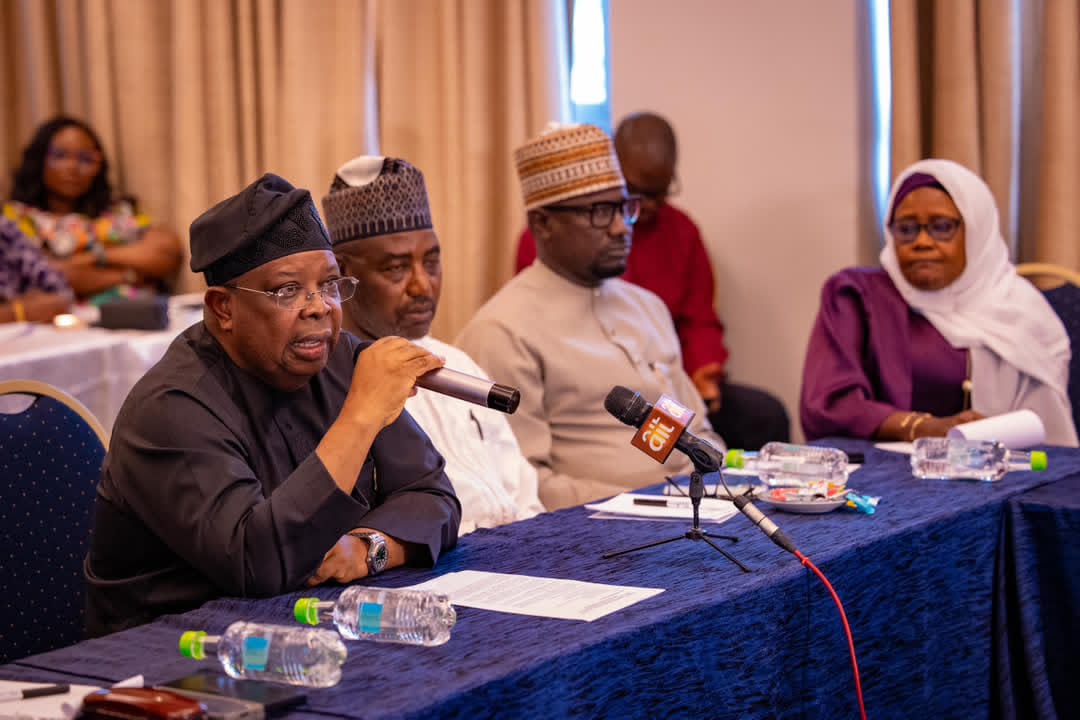
FG: No Plan to Increase Electricity Tariffs in Nigeria
Summary
- The Federal Government has denied plans to increase electricity tariffs.
- Nigeria's energy sector is governed by a complex regulatory framework.
- NERC is responsible for setting and enforcing regulations on electricity tariffs.
- The government's decision may be an attempt to address concerns about NERC's effectiveness.
FG Denies Plans to Hike Electricity Tariffs
The Federal Government has clarified its stance on electricity tariffs, stating that there are no plans to increase them.
The Federal Government has clarified its stance on electricity tariffs, stating that there are no plans to increase them. This announcement comes as a relief to Nigerians who have been concerned about the potential impact of higher electricity costs on their households and businesses. The government's decision is seen as a response to growing public pressure and criticism over the country's energy policy. According to sources, the government has been reviewing its energy laws and regulations to ensure that they are in line with international best practices and protect consumers from sudden increases in electricity tariffs.
Relevant Legal/Regulatory Context
Nigeria's energy sector is governed by a complex regulatory framework, which includes the Electricity Act 2023. The Act established the Nigerian Electricity Regulatory Commission (NERC) as the primary regulator of the electricity market. NERC is responsible for setting and enforcing regulations on electricity tariffs, among other things. In recent years, there have been concerns about the effectiveness of NERC in regulating the electricity market and protecting consumers from exploitation. The government's decision to review its energy laws and regulations may be an attempt to address these concerns and ensure that the sector is more transparent and accountable.
Why It Matters
The government's decision not to increase electricity tariffs has significant implications for Nigerians and the economy as a whole. Higher electricity costs can have a disproportionate impact on low-income households, who may struggle to afford basic necessities like light and power. The decision also highlights the need for more effective regulation of the energy sector, which is critical to ensuring that consumers are protected from exploitation and that the sector operates in a transparent and accountable manner. As the government continues to review its energy laws and regulations, it will be important to ensure that they are aligned with international best practices and prioritize the needs of consumers.
Practical Implications
This development may require lawyers and compliance officers to review the implications of any potential changes to Nigeria's energy laws and regulations, particularly with regards to the protection of consumers from sudden increases in electricity tariffs.
Source
Source: Original reporting via [Source]
How does this affect your business?
Get an AI analysis of this article grounded in your jurisdictions, practice areas, and any policy documents you've uploaded to Wansom.
Wansom is AI and can make mistakes.