
FCC Revokes Curbs on Chinese Robots, Power Inverters in Kenya
Summary
- The Federal Communications Commission (FCC) has added foreign-produced advanced robotic devices and power inverters to its Covered List, thereby imposing restrictions.
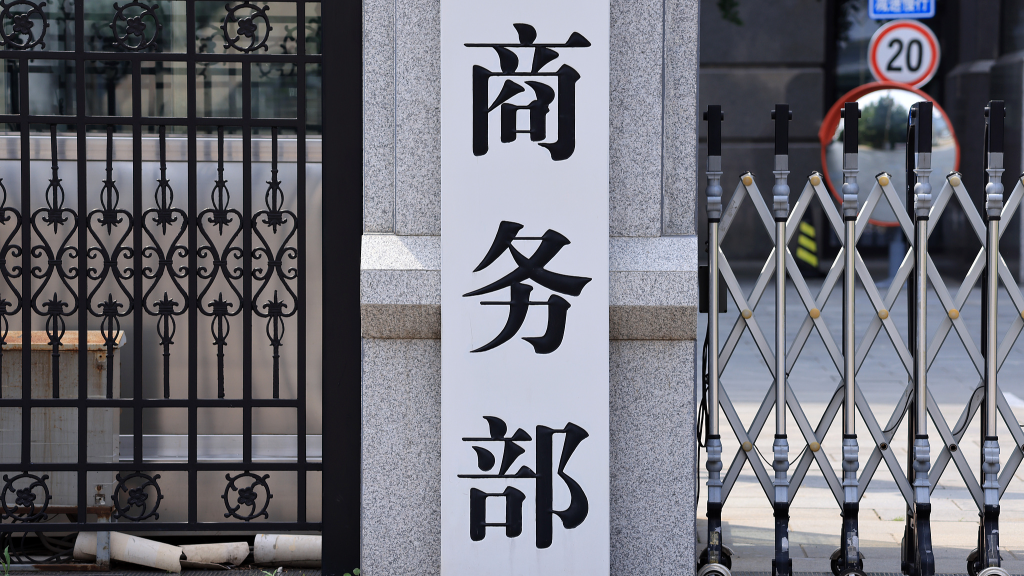
- China had urged the US to revoke the curbs, with the Ministry of Commerce stating its opposition to the decision.
- The change may have significant implications for companies operating in the robotics industry, particularly those involved in import and export activities.
- Lawyers advising clients in this sector should be aware of the potential impact on compliance with Federal Communications Commission regulations and US-China trade relations.
What Happened
The FCC's decision to impose curbs on foreign-produced advanced robotic devices and power inverters has far-reaching implications for the robotics industry, trade relations between the US and China, and compliance with Federal Communications Commission regulations.
The Federal Communications Commission (FCC) has made a significant change to its Covered List, adding foreign-produced advanced robotic devices and power inverters to it, thereby imposing restrictions. This decision was announced by the FCC on Tuesday, July 28, 2026, affecting new models of these devices by generally prohibiting their import, marketing, or sale in the U.S. The move is seen as a tightening of US trade policy, with implications for the robotics industry and compliance with Federal Communications Commission regulations.
The change comes after China urged the US to revoke the curbs, with the Ministry of Commerce stating its opposition to the decision on Thursday. This development highlights the complex dynamics between the two countries' trade relations, particularly in the context of emerging technologies like robotics.
Legal Context
The FCC's Covered List is a regulatory framework that governs the import and export of certain electronic devices, including advanced robotic devices and power inverters. The list was established to ensure compliance with Federal Communications Commission regulations, which are designed to protect national security and public safety interests. By adding these restrictions, the FCC has effectively tightened its oversight of foreign-produced devices in this category.
This change may have significant implications for companies operating in the robotics industry, particularly those involved in import and export activities. Lawyers advising clients in this sector should be aware of the potential impact on compliance with Federal Communications Commission regulations and US-China trade relations.
Why It Matters
The FCC's decision to impose curbs on foreign-produced advanced robotic devices and power inverters has far-reaching implications for the robotics industry, trade relations between the US and China, and compliance with Federal Communications Commission regulations. As the global market for robotics continues to grow, companies must navigate complex regulatory landscapes to remain competitive.
This development underscores the need for businesses to stay informed about changes in US-China trade policy and their impact on import and export activities. Lawyers advising clients in the robotics industry should closely monitor these developments to ensure compliance with evolving regulations and maintain a competitive edge in the market.
Practical Implications
Lawyers advising clients in the robotics industry should monitor developments in US-China trade relations, as changes to FCC regulations could impact import and export compliance.
Source
How does this affect your business?
Get an AI analysis of this article grounded in your jurisdictions, practice areas, and any policy documents you've uploaded to Wansom.
Wansom is AI and can make mistakes.