
Ethiopian fuel carriers face compliance risks after truck impoundings
TL;DR
- Four trucks were impounded despite fuel being legally imported through authorized channels.
- Outdated transport tariffs have not kept pace with fuel, spare-part, and maintenance costs.
- The development may expose fuel carriers to compliance risks, requiring them to review their documentation and procedures.
- The Ethiopian government has been working to transform state-owned enterprises into modern and competitive entities.
Fuel Carriers Face Compliance Risks Amid Truck Impounding
The development may expose fuel carriers to compliance risks, requiring them to review their documentation and procedures for importing fuel to ensure they are in line with Ethiopian regulations.
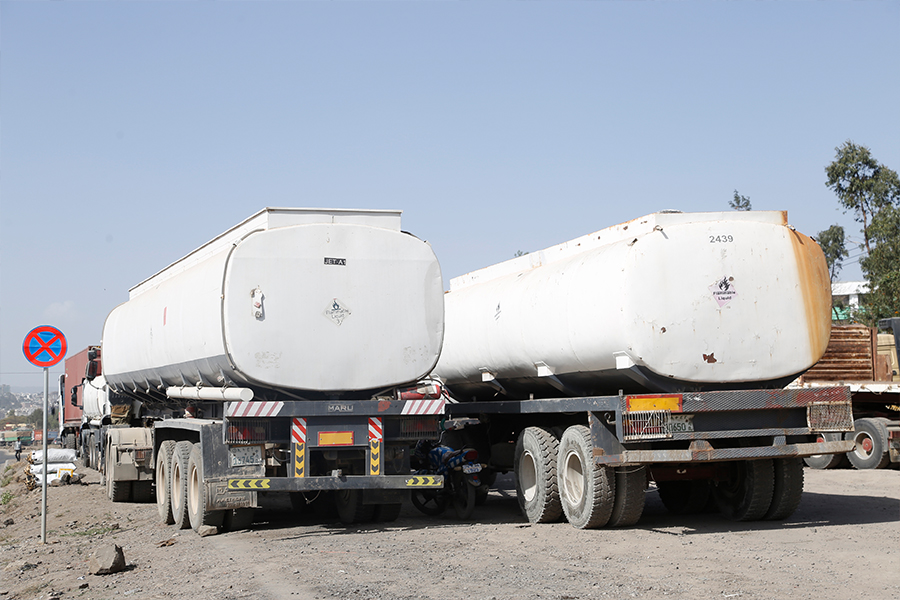
The Ethiopian Bulk Fuel Transport Owners' Association has raised concerns about outdated transport tariffs, which have not kept pace with fuel, spare-part, and maintenance costs. This issue is compounded by the recent impounding of trucks over alleged diversion allegations. According to the association, four vehicles were seized despite the fuel being legally imported through authorized channels with taxes paid. The development may expose fuel carriers to compliance risks, requiring them to review their documentation and procedures for importing fuel to ensure they are in line with Ethiopian regulations.
The impounding of trucks has been a recurring issue in Ethiopia, with several incidents reported over the past two years. In one notable case, a fuel tanker carrying tens of thousands of liters was confiscated after its driver allegedly siphoned four litres. The incident highlights the challenges faced by fuel carriers in navigating complex regulations and ensuring compliance.
The Ethiopian government has been working to transform state-owned enterprises into modern and competitive entities. However, this effort may be hindered by the lack of clear guidelines on transport tariffs and regulations. The National Bank of Ethiopia (NBE) has set aside the tools that governed its money flow, but the impact on fuel carriers remains uncertain.
Relevant Legal/Regulatory Context
The Ethiopian government has been implementing various reforms to modernize state-owned enterprises. However, these efforts may be affected by the lack of clear guidelines on transport tariffs and regulations. The National Bank of Ethiopia (NBE) has set aside the tools that governed its money flow, which may impact fuel carriers' operations.
In 2024, the Ethiopian government cleared a blockage that had held back the domestic flow of goods. This development aimed to improve the country's logistics and transportation sector. However, the impounding of trucks over alleged diversion allegations suggests that more work is needed to ensure compliance with regulations.
The Ethiopian Bulk Fuel Transport Owners' Association has raised concerns about outdated transport tariffs, which have not kept pace with fuel, spare-part, and maintenance costs. This issue may expose fuel carriers to compliance risks, requiring them to review their documentation and procedures for importing fuel to ensure they are in line with Ethiopian regulations.
Why It Matters
The impounding of trucks over alleged diversion allegations has significant implications for the fuel carrier industry. The development may expose fuel carriers to compliance risks, requiring them to review their documentation and procedures for importing fuel to ensure they are in line with Ethiopian regulations.
The issue highlights the need for clear guidelines on transport tariffs and regulations. Fuel carriers must navigate complex rules to avoid impounding and ensure smooth operations. The Ethiopian government's efforts to transform state-owned enterprises into modern and competitive entities may be hindered by the lack of clear guidelines on transport tariffs and regulations.
The incident also underscores the importance of ensuring compliance with regulations. Fuel carriers must review their documentation and procedures to avoid potential risks and penalties.
Practical Implications
This development may expose fuel carriers to compliance risks, requiring them to review their documentation and procedures for importing fuel to ensure they are in line with Ethiopian regulations.
Source
Source: Original reporting via Fortune
How does this affect your business?
Get an AI analysis of this article grounded in your jurisdictions, practice areas, and any policy documents you've uploaded to Wansom.