
EACC moves to reclaim Sh790mn Kisumu prison land, says 92 titles stem from alleged fraud
Abstract
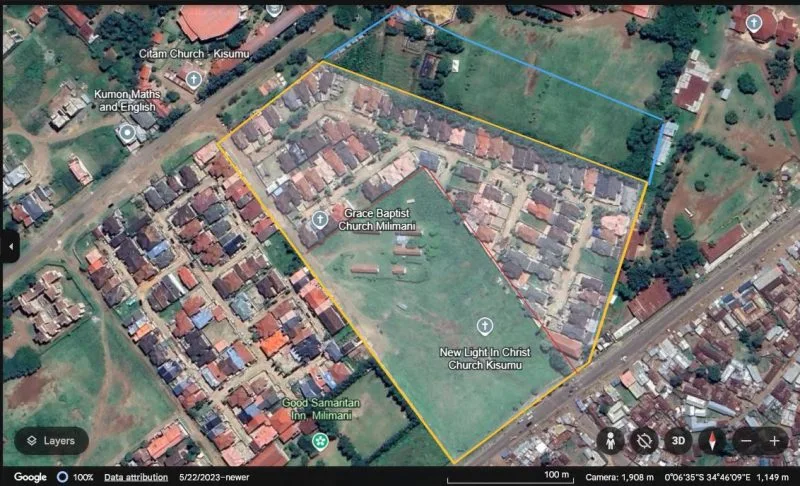
The Ethics and Anti-Corruption Commission (EACC) has initiated a significant legal action to reclaim approximately 7.6 acres of Kenya Prisons Service land in Kisumu, valued at around Sh790 million. The EACC alleges that the titles for this land are tainted by fraud, with a total of 92 titles being affected. This development highlights the ongoing efforts of the EACC to combat corruption and recover public assets misappropriated through illicit means.
Introduction
The recent move by the Ethics and Anti-Corruption Commission (EACC) to reclaim land in Kisumu valued at approximately Sh790 million has significant implications for the fight against corruption in Kenya. The EACC's action underscores its commitment to recovering public assets that have been misappropriated through alleged fraud. This development is part of a broader effort to hold accountable those responsible for corrupt practices and to ensure that public resources are used for their intended purpose.
Background
The recovery of land by the EACC in Kisumu is not an isolated incident, but rather part of a larger trend of efforts to combat corruption and recover misappropriated assets. The Kenyan government has been actively working to address issues related to land ownership and management, with a focus on ensuring that public lands are used for their intended purpose. The alleged fraud underlying the 92 titles in question is a serious concern, highlighting the need for robust measures to prevent such malpractices.
Analysis
The EACC's move to reclaim the Kisumu land has significant implications for the legal framework governing land ownership and management in Kenya. The fact that the EACC alleges fraud in the issuance of titles raises questions about the due diligence process followed by relevant authorities. Furthermore, this development underscores the need for effective mechanisms to prevent and detect corruption in land transactions. As the case progresses, it will be crucial to examine the evidence presented by the EACC and assess the merits of their claims.
Conclusion
The EACC's action to reclaim the Kisumu land is a critical step towards combating corruption and ensuring that public assets are used for their intended purpose. Practitioners should closely follow this case, as it has significant implications for the legal framework governing land ownership and management in Kenya. The outcome of this matter will likely shed light on the effectiveness of current measures to prevent and detect corruption in land transactions.
How does this affect your business?
Get an AI analysis of this article grounded in your jurisdictions, practice areas, and any policy documents you've uploaded to Wansom.