
DR Congo's Neighbors Boost Preparedness as Ebola Cases Surge
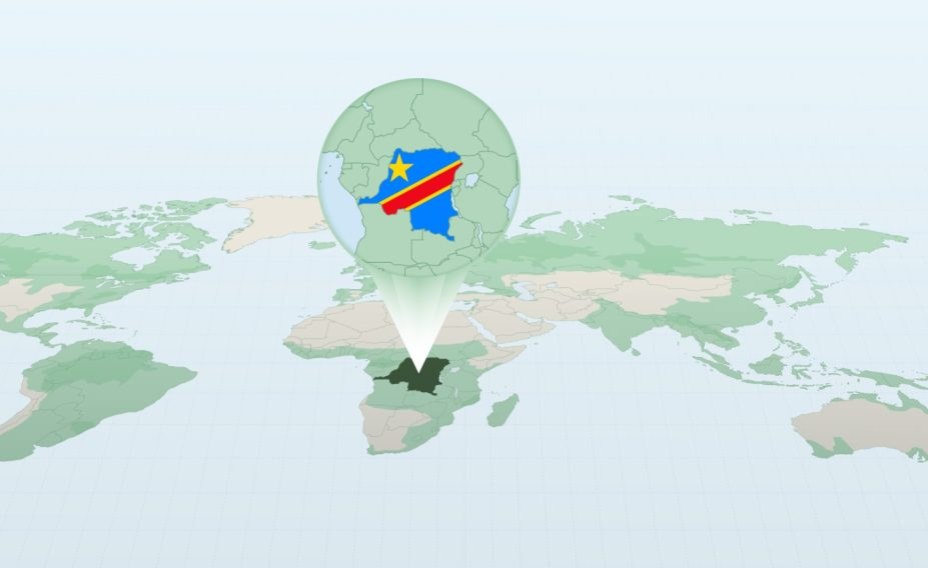
Uganda, Rwanda, and Zambia are strengthening border screening, disease surveillance, and emergency response measures in response to the growing Ebola outbreak in the Democratic Republic of Congo (DRC).
The move is a precautionary measure aimed at preventing cross-border spread of the virus. The DRC has reported over 200 cases of Ebola since April, with several deaths confirmed. The World Health Organization (WHO) has declared the outbreak a public health emergency of international concern.
From a legal perspective, this development highlights the importance of regional cooperation in responding to public health emergencies. The WHO's International Health Regulations (IHR) require countries to report outbreaks and collaborate on response efforts. In this case, neighboring countries are taking proactive steps to strengthen their preparedness and response measures, which may also involve sharing resources and expertise with the DRC.
The relevant legal context in this matter is the IHR, which sets out international standards for reporting and responding to public health emergencies. The WHO has also issued guidelines on border screening and disease surveillance, which are being implemented by neighboring countries. The key parties involved in this development are the governments of Uganda, Rwanda, Zambia, and the DRC, as well as regional authorities and health organizations.
How does this affect your business?
Get an AI analysis of this article grounded in your jurisdictions, practice areas, and any policy documents you've uploaded to Wansom.