
Despite governor’s executive orders, illegal mining denies Taraba State billions of naira annually
Abstract
Despite Governor Agbu Kefas's efforts to combat illicit mining in Taraba State, Nigeria, the practice continues to deprive the state of billions of naira annually. The governor has issued three executive orders since taking office in 2023, but the problem persists. This article examines the impact of illegal mining on the state's economy and the challenges faced by the administration in addressing this issue.
Introduction
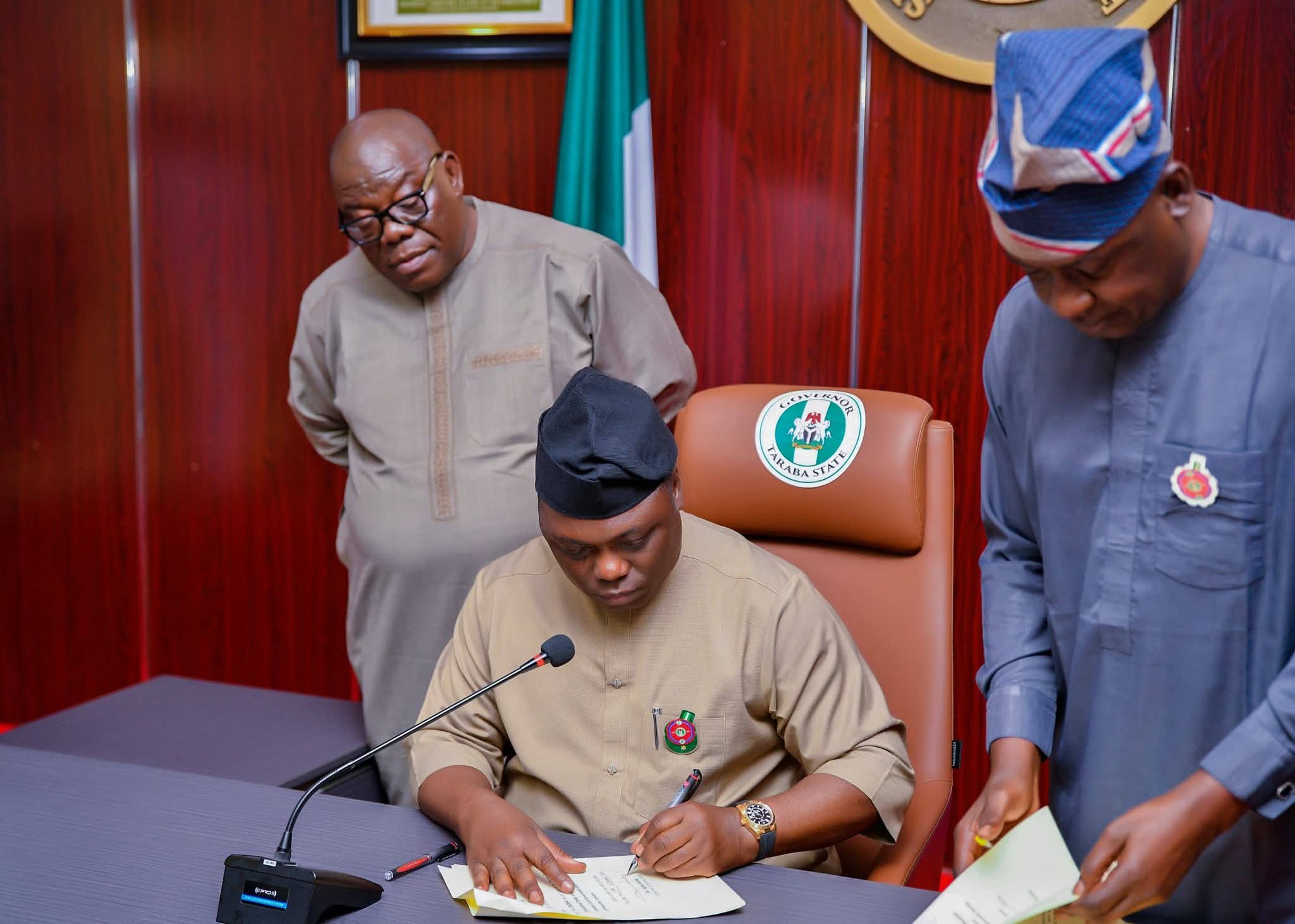
Nigeria's Taraba State Governor Agbu Kefas has signed a third executive order aimed at halting illegal mining in the state, despite previous efforts failing to yield results. The latest move is part of the governor's ongoing battle against illicit mining, which continues to deny the state billions of naira annually. This development matters because it highlights the complexities and challenges involved in addressing this issue, and underscores the need for a more effective approach.
Background
Illegal mining has been a longstanding problem in Taraba State, with the governor's administration attempting to address the issue through executive orders since taking office in 2023. The first two orders were issued in an effort to curb the practice, but it continues to persist, resulting in significant financial losses for the state. This background of repeated attempts to combat illicit mining sets the stage for understanding the current situation and the challenges faced by the governor's administration.
Analysis
The persistence of illegal mining in Taraba State despite executive orders from Governor Agbu Kefas raises questions about the effectiveness of this approach. While the governor's efforts are commendable, the continued loss of billions of naira annually highlights the need for a more comprehensive and sustainable solution. The analysis of this situation must consider the root causes of illicit mining, including poverty, lack of economic opportunities, and corruption. It is also essential to examine the role of government agencies responsible for enforcing laws related to mining and their capacity to address this issue.
Conclusion
The ongoing struggle against illegal mining in Taraba State underscores the need for a more effective approach that addresses the underlying causes of this practice. The governor's administration must work with relevant stakeholders, including local communities, civil society organizations, and government agencies, to develop a comprehensive strategy that ensures the state's economic interests are protected. Ultimately, the success of this effort will depend on the ability of the administration to address the root causes of illicit mining and ensure that those responsible are held accountable.
How does this affect your business?
Get an AI analysis of this article grounded in your jurisdictions, practice areas, and any policy documents you've uploaded to Wansom.