
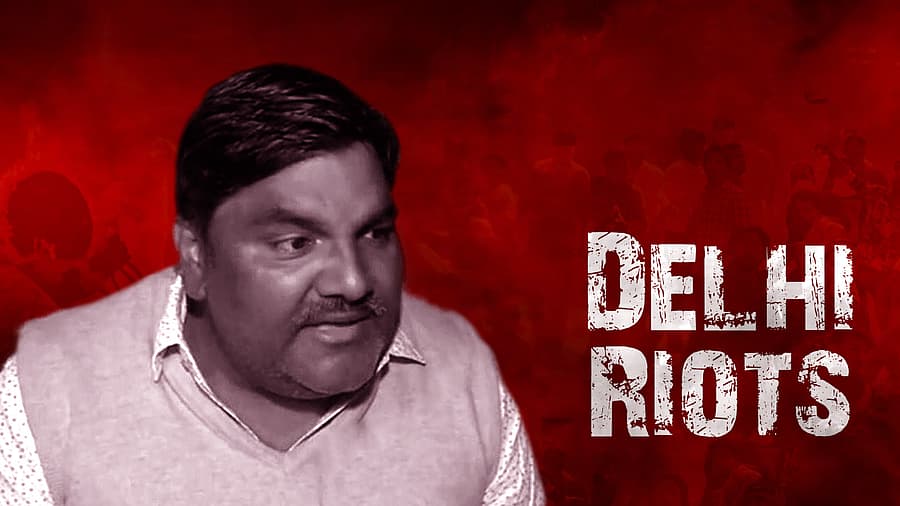
Delhi Police seeks death penalty for Tahir Hussain in Ankit Sharma murder
Summary
- The Delhi Police has sought the death penalty for Tahir Hussain and four others for the murder of Intelligence Bureau officer Ankit Sharma during the 2020 Delhi Riots.
- The court will deliver its verdict on July 31, which will set a precedent for future cases involving the application of the death penalty in India.
- Tahir Hussain was convicted under various sections of the Indian Penal Code (IPC), including murder and rioting, but acquitted of criminal conspiracy.
What Happened
The Delhi Police counsel told the Court that Sharma's murder was 'cold-blooded' and brutal.
A Delhi court has reserved its verdict on whether to sentence Tahir Hussain and four others to death for the murder of Intelligence Bureau officer Ankit Sharma during the 2020 Delhi Riots. The Delhi Police had sought the death penalty, arguing that Sharma's murder was cold-blooded and brutal. However, the counsel representing Hussain and the other convicts opposed the plea, stating that the death penalty can only be awarded in rare cases. They also pointed out that there is no evidence of conspiracy and that members of the mob have been acquitted in the case.
The court will deliver its verdict on July 31, which has significant implications for lawyers watching this case. The application of the death penalty in Indian case law is relatively rare, making this a closely watched development.
Legal Context
Tahir Hussain was convicted under various sections of the Indian Penal Code (IPC), including murder and rioting. However, he was acquitted of criminal conspiracy under Section 120B of IPC. The Delhi Police had argued that Sharma's murder was premeditated and that there was no evidence to suggest that any mercy was shown to the victim. This case highlights the complexities of applying the death penalty in India, where it is reserved for the rarest of cases.
The legal community will be closely watching the court's verdict on July 31, as it sets a precedent for future cases involving the application of the death penalty.
Why It Matters
The outcome of this case has significant implications for the legal community in India. The application of the death penalty is a contentious issue, and this case will set a precedent for future cases. Lawyers should pay close attention to the court's verdict on July 31, as it will provide insight into how the Indian judiciary approaches capital punishment.
This case also highlights the need for careful consideration in applying the death penalty, given its rarity in Indian case law. The Delhi Riots case has already raised important questions about accountability and justice, and this verdict will further shed light on these issues.
Practical Implications
Lawyers should watch for the July 31 verdict on whether the Delhi court will sentence Tahir Hussain and four others to death for Ankit Sharma's murder, a rare application of the death penalty in Indian case law.
Source
Source: Original reporting via The Hindu
How does this affect your business?
Get an AI analysis of this article grounded in your jurisdictions, practice areas, and any policy documents you've uploaded to Wansom.