
Delhi High Court Rules on Contributory Negligence in Road Accident Cases
Abstract
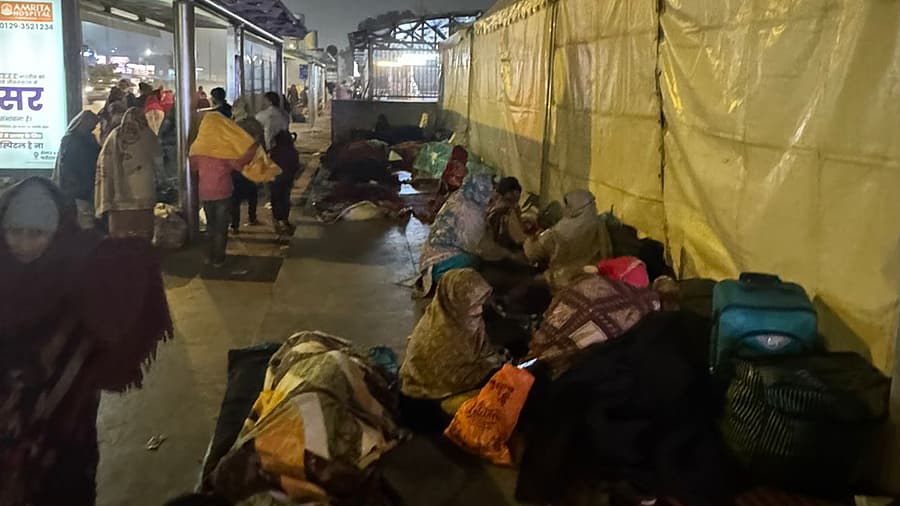
In a recent ruling, the Delhi High Court held that individuals sleeping on pavements cannot be considered liable for contributory negligence in road accident cases. The court acknowledged that many homeless persons or workers rest on pavements due to a lack of alternative accommodation, and that this calculated risk should not be translated into contributory negligence. This decision has significant implications for the treatment of vulnerable populations in India's urban areas.
Introduction
The Delhi High Court recently ruled that people sleeping on pavements cannot be held liable for contributory negligence when hit by a vehicle. In a case involving two fatalities and injuries to two others, the court overturned a Motor Accident Claims Tribunal (MACT) decision that had reduced compensation by 50 percent due to alleged contributory negligence. The court's ruling has significant implications for the treatment of vulnerable populations in India's urban areas.
Background
In India, the concept of contributory negligence is governed by various statutes and case laws. However, the Delhi High Court's recent ruling highlights a critical aspect of this doctrine: the distinction between calculated risk and contributory negligence. The court noted that individuals sleeping on pavements do so due to a lack of alternative accommodation, and that this decision should not be translated into contributory negligence.
Analysis
The Delhi High Court's ruling has significant implications for the treatment of vulnerable populations in India's urban areas. By holding that people sleeping on pavements cannot be considered liable for contributory negligence, the court is acknowledging the harsh realities faced by many homeless individuals and workers. This decision may also have broader implications for the development of urban infrastructure and policies aimed at addressing homelessness.
Conclusion
The Delhi High Court's ruling has significant practitioner implications, particularly in cases involving road accidents and contributory negligence claims. Practitioners should be aware of this recent development and its potential impact on their clients' cases. Furthermore, policymakers may need to revisit existing laws and regulations governing urban infrastructure and homelessness to ensure that they are aligned with the court's ruling.
How does this affect your business?
Get an AI analysis of this article grounded in your jurisdictions, practice areas, and any policy documents you've uploaded to Wansom.