
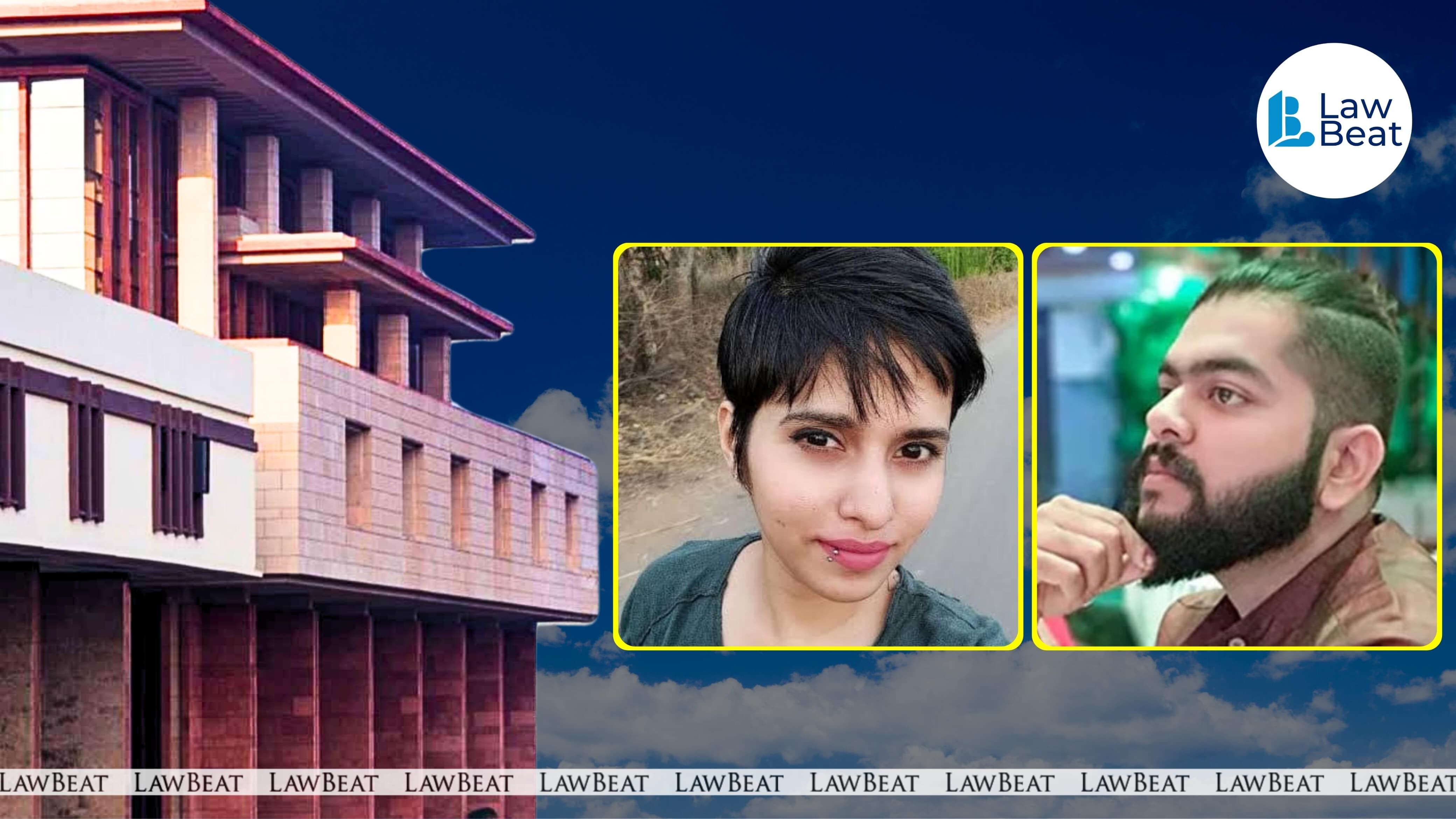
Delhi High Court Rejects Fixed Timeline for Shraddha Walkar Murder Case
Summary
- The Delhi High Court rejected a plea for a fixed timeline for the Shraddha Walkar murder case trial, citing ongoing day-to-day proceedings.
- Over 220 witnesses are involved in the trial, including overseas witnesses, which may prolong the process.
- The family of Shraddha Walkar has been waiting for justice for over four years, experiencing emotional distress as a result.
- The Delhi High Court's decision may set a precedent for rejecting fixed timelines in high-profile murder cases.
Prolonged Trial Periods: A Growing Concern
No further directions are required to be passed at this stage when the trial is being conducted on a day-to-day basis. The petition is disposed of,
The Delhi High Court's decision to reject a fixed timeline for the Shraddha Walkar murder case trial has sparked concerns about prolonged trial periods and their impact on families of victims. The court's ruling comes as no surprise, given the complexities of high-profile murder cases like this one. With over 220 witnesses involved, including overseas witnesses, the trial is expected to be a lengthy process. The prosecution has already examined 157 out of 222 witnesses, with cross-examination pending for 14 others. While the trial court is conducting proceedings on a day-to-day basis, the lack of a fixed timeline raises questions about the efficiency of the judicial system. The family of Shraddha Walkar has been waiting for justice for over four years, and their emotional distress only adds to the urgency of resolving this case.
Legal Context: A Review of Relevant Laws
The Delhi High Court's decision is rooted in Indian law, which does not provide for a fixed timeline for murder trials. The court's ruling is based on the principle that proceedings are already being conducted on a day-to-day basis, making further directions unnecessary. However, this approach has been criticized by some as potentially leading to prolonged trial periods and increased emotional distress for families of victims. In recent years, there have been calls for reforms in Indian law to address these concerns. The Supreme Court has also weighed in on the issue, emphasizing the need for efficient and timely justice delivery systems, and is considering issuing nationwide guidelines to set timelines for framing charges in criminal cases. While the Delhi High Court's decision may set a precedent for rejecting fixed timelines, it remains to be seen how this will impact future cases.
Why It Matters: Implications for Families of Victims
The Shraddha Walkar murder case is not an isolated incident. High-profile murder cases like this one have a profound impact on families of victims, who often suffer emotional and psychological trauma as they wait for justice. The prolonged trial period has prevented the family from performing Shraddha's last rites, causing further distress. The Delhi High Court's decision may set a precedent for rejecting fixed timelines, potentially leading to more cases like this one. Lawyers representing clients involved in similar high-profile murder cases should be aware of this development and its potential implications for their clients' families.
Practical Implications
Lawyers representing clients involved in similar high-profile murder cases should be aware that the Delhi High Court's decision may set a precedent for rejecting fixed timelines, potentially leading to prolonged trial periods and increased emotional distress for families of victims.
Source
Source: Original reporting via LawBeat
How does this affect your business?
Get an AI analysis of this article grounded in your jurisdictions, practice areas, and any policy documents you've uploaded to Wansom.
Wansom is AI and can make mistakes.