
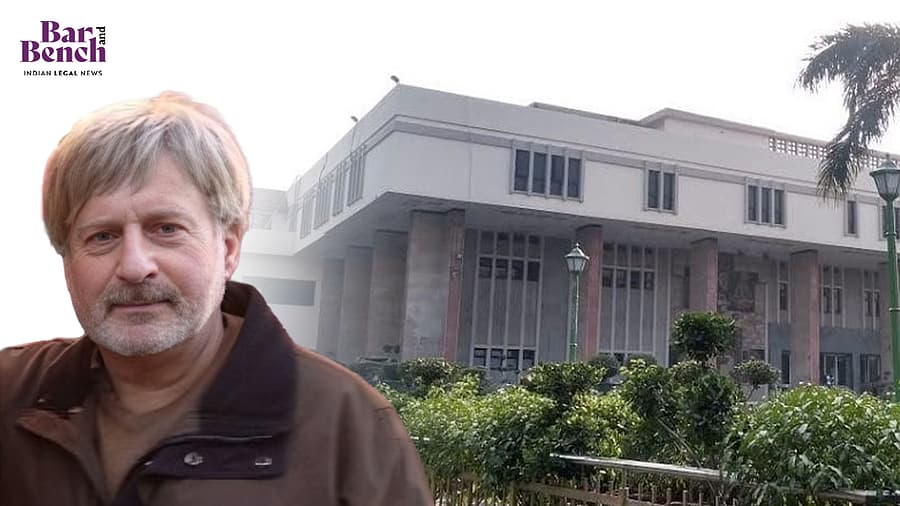
Delhi HC Seeks Patent Office Response to DABUS Inventor Plea
Summary
- Delhi High Court seeks response from Indian Patent Office on AI inventor plea.
- American scientist Stephen Thaler's AI system, DABUS, is at the center of a patent dispute.
- The case raises questions about the role of artificial intelligence in generating inventions and how inventors should be identified in future patent applications.
- The outcome may set a precedent for AI-generated inventions and impact patent law in India and beyond.
Delhi HC Weighs in on AI Inventorship
The Delhi High Court has taken a significant step in addressing the question of whether an artificial intelligence system can be recognized as an inventor under Indian patent law.
The Delhi High Court has taken a significant step in addressing the question of whether an artificial intelligence system can be recognized as an inventor under Indian patent law. On Thursday, Justice Jyoti Singh issued notice to the Indian Patent Office, seeking their response to an appeal filed by American scientist Stephen Thaler. The appeal challenges the refusal of a patent application that named Thaler's AI system, DABUS, as the inventor.
The case has far-reaching implications for patent law in India and beyond. It raises questions about the role of artificial intelligence in generating inventions and how inventors should be identified in future patent applications.
Relevant Legal Context
This is not the first time that Thaler's AI system, DABUS, has been at the center of a patent dispute. In 2021, Thaler filed a patent application with the European Patent Office (EPO) naming DABUS as the inventor. The EPO refused to grant the patent, citing concerns about the lack of human involvement in the inventive process. However, Thaler's appeal to the Delhi High Court has sparked renewed debate about the potential for AI-generated inventions and their implications for patent law.
The Indian Patent Office will now have to respond to the court's notice, which may shed more light on the government's stance on AI inventorship.
Why It Matters
The outcome of this case has significant implications for lawyers advising clients on patent applications. If the Delhi High Court rules in favor of Thaler and recognizes DABUS as an inventor, it could set a precedent for AI-generated inventions and impact the way inventors are identified in future patent applications. This development may also raise questions about the potential for AI to be considered an inventor under other jurisdictions' patent laws.
The case highlights the need for a nuanced understanding of the role of artificial intelligence in generating inventions and its implications for patent law.
Practical Implications
Lawyers advising clients on patent applications should be aware of the potential implications of this development, as it may set a precedent for AI-generated inventions and impact the way inventors are identified in future patent applications.
Source
Source: Original reporting via The Hindu
How does this affect your business?
Get an AI analysis of this article grounded in your jurisdictions, practice areas, and any policy documents you've uploaded to Wansom.