
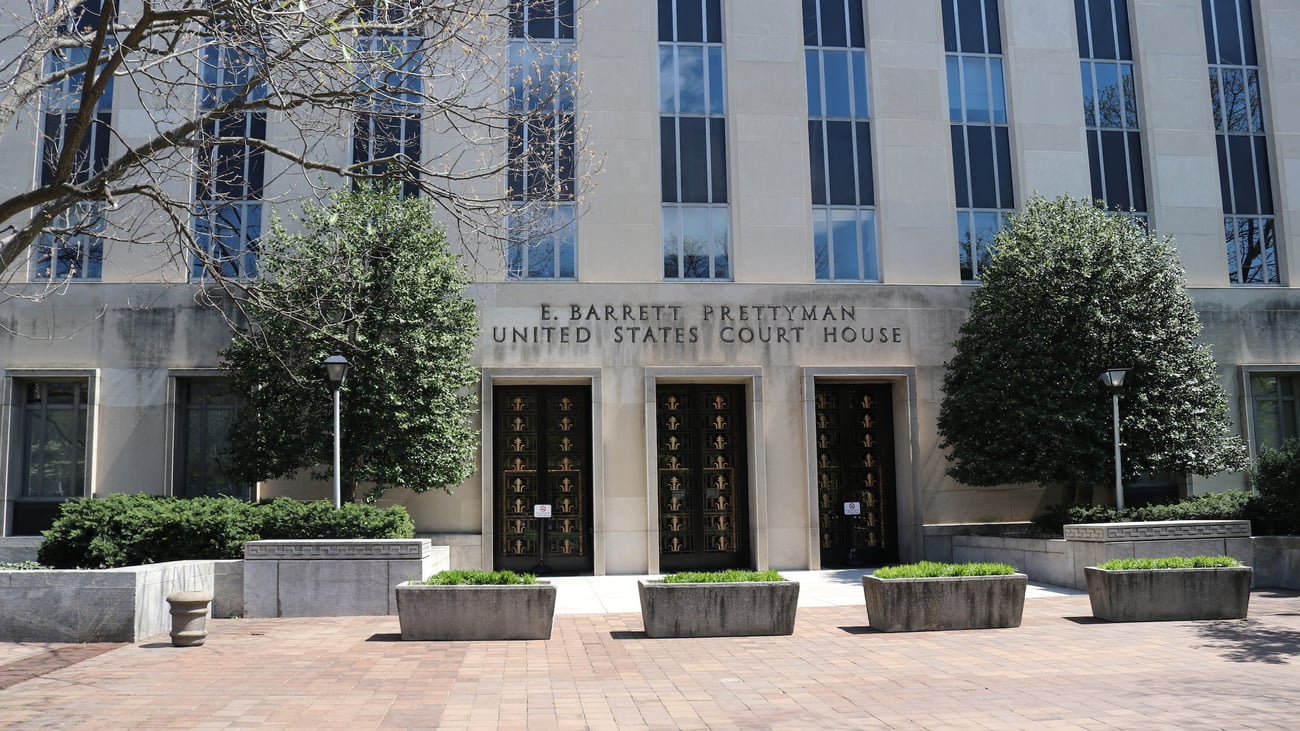
DC Circuit Upholds US Government Control Over Utah Land
Summary
- A D.C. Circuit panel has denied the Ute Indian Tribe's bid to regain ownership over 1.5 million acres of land in northeastern Utah.
- The ruling upholds a decision by the Department of Interior and a federal judge that the tribe is not entitled to any proceeds if the land was sold.
- This decision may impact tribal nations seeking to restore ancestral lands, as it sets a precedent for the federal government's authority over public domain land and the tribe's entitlement to proceeds from sales.
What Happened
The question is whether those lands fall within the Colorado Reservation or the Uncompahgre Reservation in Utah. Text, structure and historical context all point towards compensable title limited to the Colorado Reservation.
A D.C. Circuit panel has denied the Ute Indian Tribe's bid to regain ownership over 1.5 million acres of land in northeastern Utah, upholding a decision by the Department of Interior and a federal judge that the tribe is not entitled to any proceeds if the land was sold. The ruling marks the latest defeat for the tribe in its efforts to restore a large portion of the Uncompahgre Reservation.
The court's opinion, written by U.S. Circuit Judge Gregory Katsas, focused on the 1880 Act, which ratified a settlement between the Ute bands and the federal government. According to Katsas, Section 3 of the act gives the tribe compensable title to some lands, but only those in Colorado, not Utah.
The tribe had argued that the bands of the Ute Tribe had lived in the Rocky Mountains since time immemorial, with their homeland ranging between Denver and Salt Lake City. However, the court found that the 1880 Act followed decades of hostility between the Ute bands and the federal government, which ultimately led to the creation of a smaller reservation for the Uncompahgre Band in Colorado or Utah.
Legal Context
The Indian Reorganization Act of 1934 plays a crucial role in this case. The act aimed to promote tribal self-governance and economic development, but it also established certain conditions for the restoration of lands. In this instance, the court found that the tribe is not entitled to proceeds from any sale of the land because the public domain lands were not eligible for restoration under the act.
The case stems from a 2018 decision by then-Interior Department Deputy Secretary David Bernhardt denying the tribe's request to restore the 1.5 million acres in the Uncompahgre Reservation. The tribe challenged this decision in federal court, but ultimately lost.
This ruling may have implications for tribal nations seeking to restore ancestral lands, as it sets a precedent for the federal government's authority over public domain land and the tribe's entitlement to proceeds from sales.
Why It Matters
The Ute Tribe's bid to regain ownership of 1.5 million acres in Utah has significant implications for tribal nations seeking to restore ancestral lands. This ruling may impact future restoration efforts, as it sets a precedent for the federal government's authority over public domain land and the tribe's entitlement to proceeds from sales.
Lawyers advising tribes on land rights should be aware of this decision and its potential implications for their clients' interests. The Indian Reorganization Act of 1934 remains a crucial piece of legislation in this context, and its conditions for restoration will continue to shape tribal nations' efforts to reclaim their ancestral lands.
Practical Implications
This ruling may impact tribal nations seeking to restore ancestral lands, as it sets a precedent for the federal government's authority over public domain land and the tribe's entitlement to proceeds from sales. Lawyers advising tribes on land rights should be aware of this decision and its implications for future restoration efforts.
Source
How does this affect your business?
Get an AI analysis of this article grounded in your jurisdictions, practice areas, and any policy documents you've uploaded to Wansom.
Wansom is AI and can make mistakes.