
Consumer court orders Maruti to replace Grand Vitara which broke down due to E20 fuel
Abstract
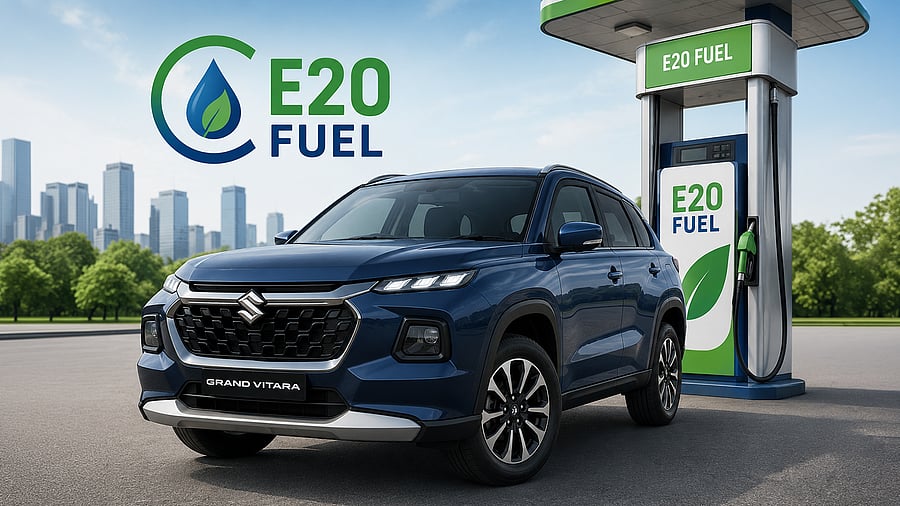
A district consumer disputes redressal commission in Chhattisgarh's Raipur has ordered Maruti Suzuki to replace a Grand Vitara with an E20-compatible engine after the car broke down allegedly due to the use of E20 fuel. The order was passed on July 14, requiring the manufacturer and its authorised dealer to refund the sale price and other charges if they fail to replace the vehicle within 45 days. The commission also ordered compensation for mental agony and litigation costs.
Introduction
A recent decision by a district consumer disputes redressal commission in Chhattisgarh's Raipur has significant implications for consumers who purchase vehicles that are not compatible with E20 fuel, a blend of 20 percent ethanol and 80 percent petrol introduced by the Indian government. The order requires Maruti Suzuki to replace a Grand Vitara with an E20-compatible engine or refund the sale price and other charges if they fail to do so within 45 days. This development highlights the importance of manufacturers ensuring that their products are compatible with the fuel standards in place, and consumers being aware of these requirements before making purchases.
Background
The Indian government has been promoting the use of E20 petrol as a key part of its energy policy. However, this shift towards ethanol-blended fuels has raised concerns about vehicle compatibility. The order passed by the district consumer disputes redressal commission is a response to these concerns and highlights the need for manufacturers to take responsibility for ensuring that their products are compatible with the fuel standards in place. In 2023, Dr. Premraj Devangan purchased a Maruti Grand Vitara IE Strong Hybrid Zeta Plus, which later developed problems due to its non-compatibility with E20 fuel.
Analysis
However, there are also open questions surrounding the implementation of this order. For instance, how will manufacturers ensure that they replace vehicles with E20-compatible engines within the specified timeframe? What measures will be taken to prevent similar cases in the future? These are some of the key issues that need to be addressed in the coming days.
Conclusion
Practitioners should be aware of this development and its potential implications for future cases. They should also be prepared to advise clients on the importance of vehicle compatibility with E20 fuel and the potential consequences of non-compliance.
How does this affect your business?
Get an AI analysis of this article grounded in your jurisdictions, practice areas, and any policy documents you've uploaded to Wansom.