
CJID Awards TechHer Grant for Responsible AI Advocacy in Nigeria
Summary
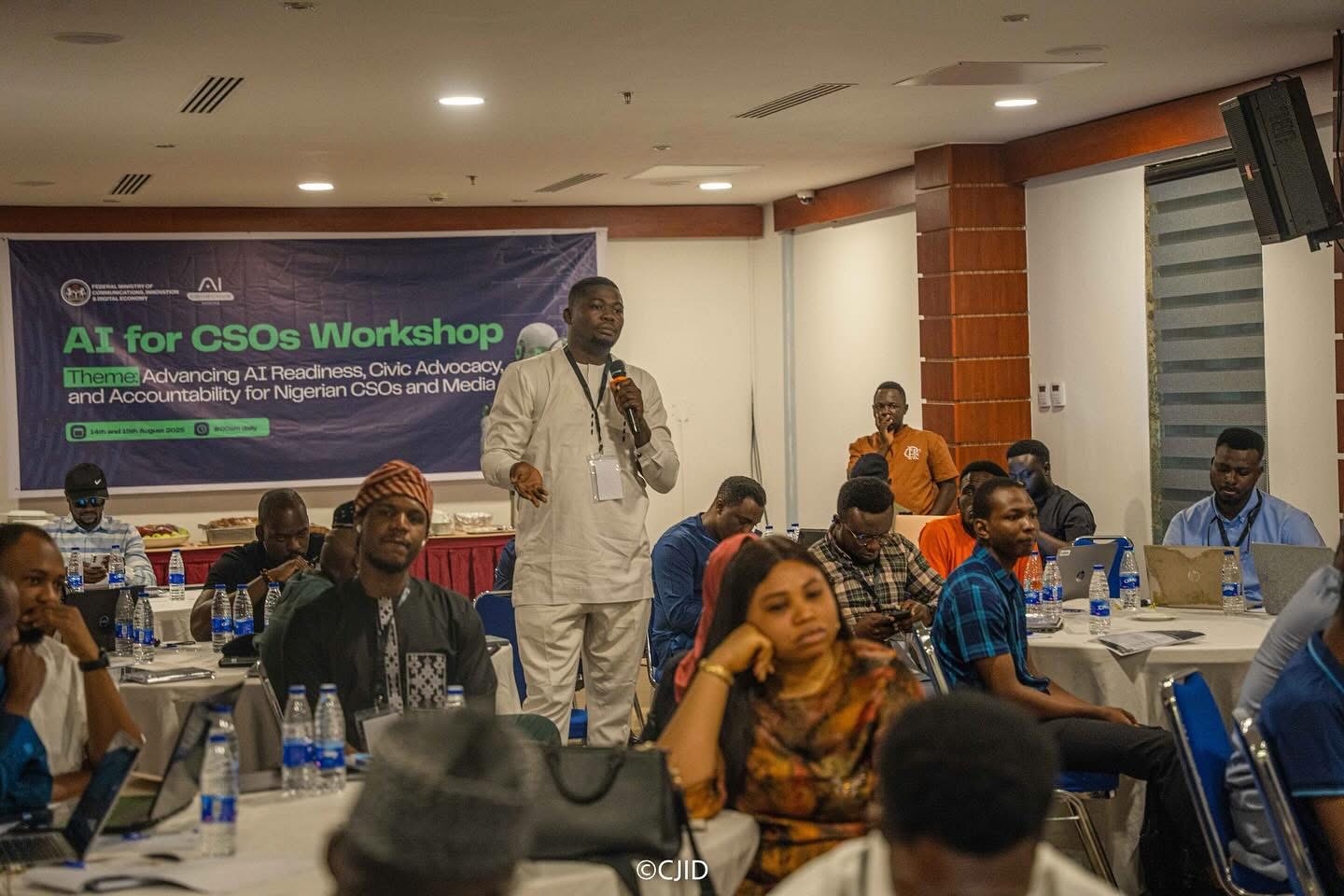
- The Centre for Journalism Innovation and Development (CJID) has awarded AI advocacy grants to seven civil society organisations in Nigeria.
- The selected organisations will work together to promote responsible AI governance, including measures to protect users' data and ensure transparency in AI decision-making processes.
- The CJID's commitment to building a responsible AI environment is reflected in its partnership with the Nigeria AI Collective.
What Happened
The CJID's grants aim to address these issues by promoting best practices for AI development and deployment.
The Centre for Journalism Innovation and Development (CJID) has launched a new round of AI advocacy grants, selecting seven civil society organisations to strengthen responsible AI governance in Nigeria. The selected organisations are TechHer, Cedar Foundation for Disability, Akin Fadeyi Foundation, Nest Africa, and others. These grants aim to promote an inclusive and citizen-centred AI ecosystem in the country.
The CJID's commitment to building a responsible AI environment is reflected in its partnership with the Nigeria AI Collective, which brings together various stakeholders to advance AI governance in Nigeria.
Legal Context
The development of responsible AI governance in Nigeria is closely tied to data protection and privacy laws. As AI technologies become increasingly prevalent, concerns around data security and user consent are growing. The CJID's grants aim to address these issues by promoting best practices for AI development and deployment. This effort is particularly relevant given the recent passing of a comprehensive AI law in Nigeria.
The selected organisations will work together to advocate for policies that support responsible AI governance, including measures to protect users' data and ensure transparency in AI decision-making processes.
Why It Matters
The CJID's AI advocacy grants have significant implications for the development of a responsible AI ecosystem in Nigeria. By supporting civil society organisations, the CJID is helping to create a more inclusive environment for AI innovation and deployment. This effort can also inform policymakers as they work to establish comprehensive regulations for AI governance in the country.
Ultimately, the success of these grants will depend on their ability to promote responsible AI practices that balance technological advancement with user rights and data protection.
Practical Implications
Lawyers and compliance officers should watch for the potential impact of these grants on the development of responsible AI governance in Nigeria, particularly with regards to data protection and privacy laws.
Source
How does this affect your business?
Get an AI analysis of this article grounded in your jurisdictions, practice areas, and any policy documents you've uploaded to Wansom.