
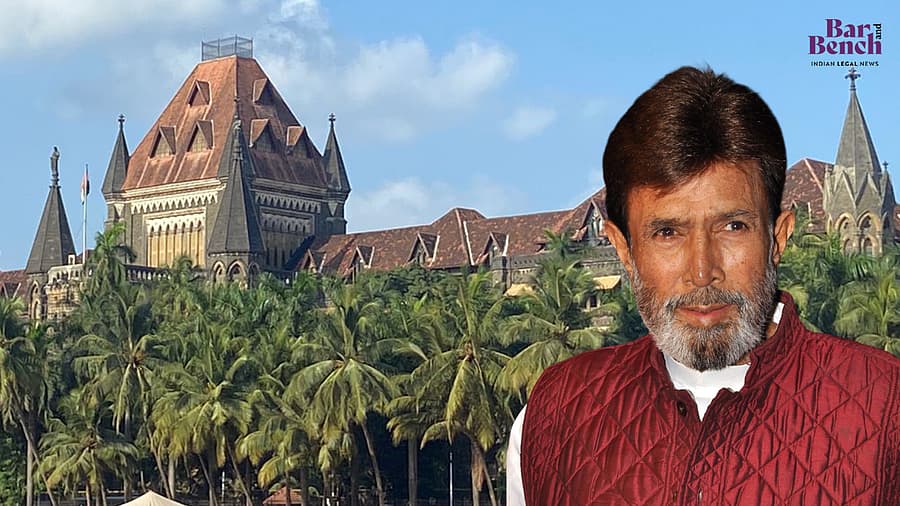
Bombay High Court restrains media from publishing false claims about Rajesh Khanna's bungalow
Summary
- The Bombay High Court has restrained media outlets from publishing false claims about Rajesh Khanna's former bungalow, Ashirwad.
- Justice Arif S Doctor passed the order on July 24 after finding material published by certain media outlets to be prima facie defamatory.
- Shashi Kiran Shetty, the current owner of Ashirwad, had filed a plea against Scoopwhoop Media Pvt Ltd and several other entities for publishing defamatory content.
- The order highlights the importance of responsible journalism in India and the need for media platforms to respect individual rights.
Bombay High Court Takes Action Against Defamatory Media Content
The Bombay High Court has taken a significant step in protecting property owners from reputational damage caused by false and defamatory content published by media outlets. On July 24, Justice Arif S Doctor passed an order restraining media platforms from circulating material that prima facie appears to be defamatory and infringing on the privacy and dignity of the current bungalow owner, Shashi Kiran Shetty.
Shetty's plea against Scoopwhoop Media Pvt Ltd and several other entities was heard by Justice Doctor. The judge reviewed articles and videos from various publishers, including Scoopwhoop, NDTV, Indiadotcom, and others. He found the material to be clearly defamatory, suggesting that Shetty lives in a haunted and cursed bungalow, and impinging on his right to live peacefully and with dignity.
Legal Context: Defamation Laws in India
The Bombay High Court's order is significant in the context of defamation laws in India. The Bharatiya Nyaya Sanhita (BNS) 2023 defines defamation as a criminal offense, punishable under Section 356, replacing the earlier Indian Penal Code (IPC) Section 500 as of July 1, 2024. However, the law also recognizes that truth can be a defense against defamation claims. In this case, Justice Doctor's prima facie view suggests that the material published by media outlets is defamatory and may not be protected under the law.
The order highlights the importance of responsible journalism in India. Media outlets have a duty to verify facts before publishing content, especially when it comes to sensitive topics like property ownership and reputation. The Bombay High Court's action sends a strong message to media platforms to exercise caution and respect the rights of individuals.
Why It Matters: Protecting Property Owners from Reputational Damage
The Bombay High Court's order has significant implications for property owners in India. The case highlights the potential for reputational damage caused by false or defamatory content published by media outlets. Shetty's experience is a stark reminder of the importance of protecting one's reputation and taking proactive steps to mitigate risks.
Lawyers and compliance officers should be aware of the potential risks associated with defamation claims in India. They can advise clients on strategies to mitigate reputational damage, including verifying facts before publishing content and taking swift action against defamatory material. The Bombay High Court's order is a timely reminder of the importance of responsible journalism and the need for media platforms to respect individual rights.
Practical Implications
Lawyers and compliance officers should be aware of the potential for reputational damage to property owners from false or defamatory content published by media outlets, and advise clients on strategies to mitigate such risks.
Source
How does this affect your business?
Get an AI analysis of this article grounded in your jurisdictions, practice areas, and any policy documents you've uploaded to Wansom.