
Benue govt gives contractors marching orders over delayed PHC renovation
Abstract
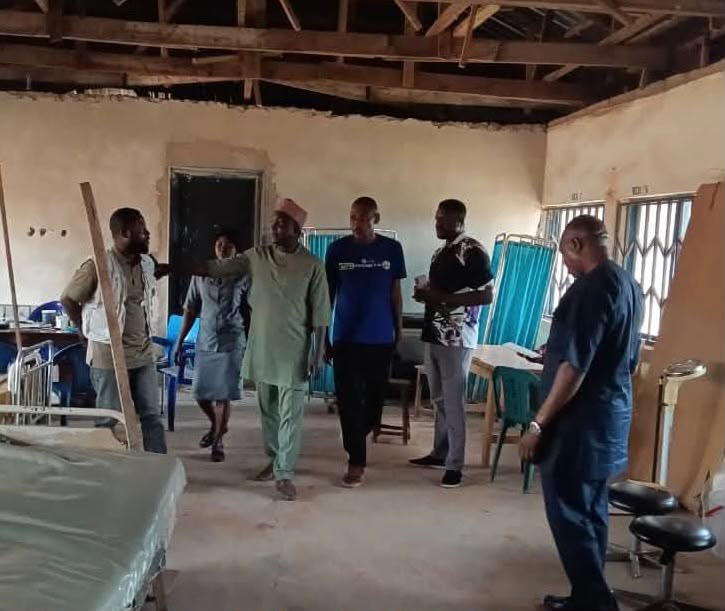
The Benue State government has taken a decisive step to address delays in the renovation of primary healthcare facilities (PHCs) across the state. The projects, funded by the Global Fund through UNICEF, aim to revitalize PHCs and improve access to quality maternal and child healthcare services for vulnerable populations. The government's move is likely to have significant implications for the delivery of healthcare services in Benue State.
Introduction
The recent directive issued by the Benue State government to contractors involved in the renovation of primary healthcare facilities (PHCs) has sparked interest among legal professionals and stakeholders in the healthcare sector. The decision, which appears to be a response to delays in the completion of these projects, is expected to have far-reaching consequences for the delivery of healthcare services in the state. This article aims to provide an analysis of the implications of this development on the legal framework governing public-private partnerships (PPPs) in Nigeria's healthcare sector.
Background
The renovation of PHCs in Benue State is part of a broader effort to improve access to quality maternal and child healthcare services, particularly for women of child-bearing age, pregnant women, nursing mothers, and children under the age of five. The projects are funded by the Global Fund through UNICEF, with the aim of revitalizing PHCs across the state. This initiative is in line with Nigeria's commitment to achieving universal health coverage (UHC) and improving healthcare outcomes for vulnerable populations.
Analysis
The government's decision also raises questions about the role of contractors in PPPs in Nigeria's healthcare sector. While contractors play a critical role in delivering infrastructure projects, including PHC renovations, their responsibilities and liabilities under Nigerian law remain unclear. The PPA provides some guidance on the contractual obligations of contractors, but further clarification is needed to ensure that contractors are held accountable for delays and other breaches of contract.
Conclusion
This decision highlights the need for further clarification on the role of contractors in PPPs in Nigeria's healthcare sector. The government must work with legal professionals, stakeholders, and other partners to develop a clear regulatory framework that ensures accountability and transparency in PPPs. By doing so, the government can ensure that PPPs are used effectively to deliver quality healthcare services to vulnerable populations.
How does this affect your business?
Get an AI analysis of this article grounded in your jurisdictions, practice areas, and any policy documents you've uploaded to Wansom.