
Angwan Rukuba Killings: Court fixes August 11 for ruling on jurisdiction, medical request
Abstract
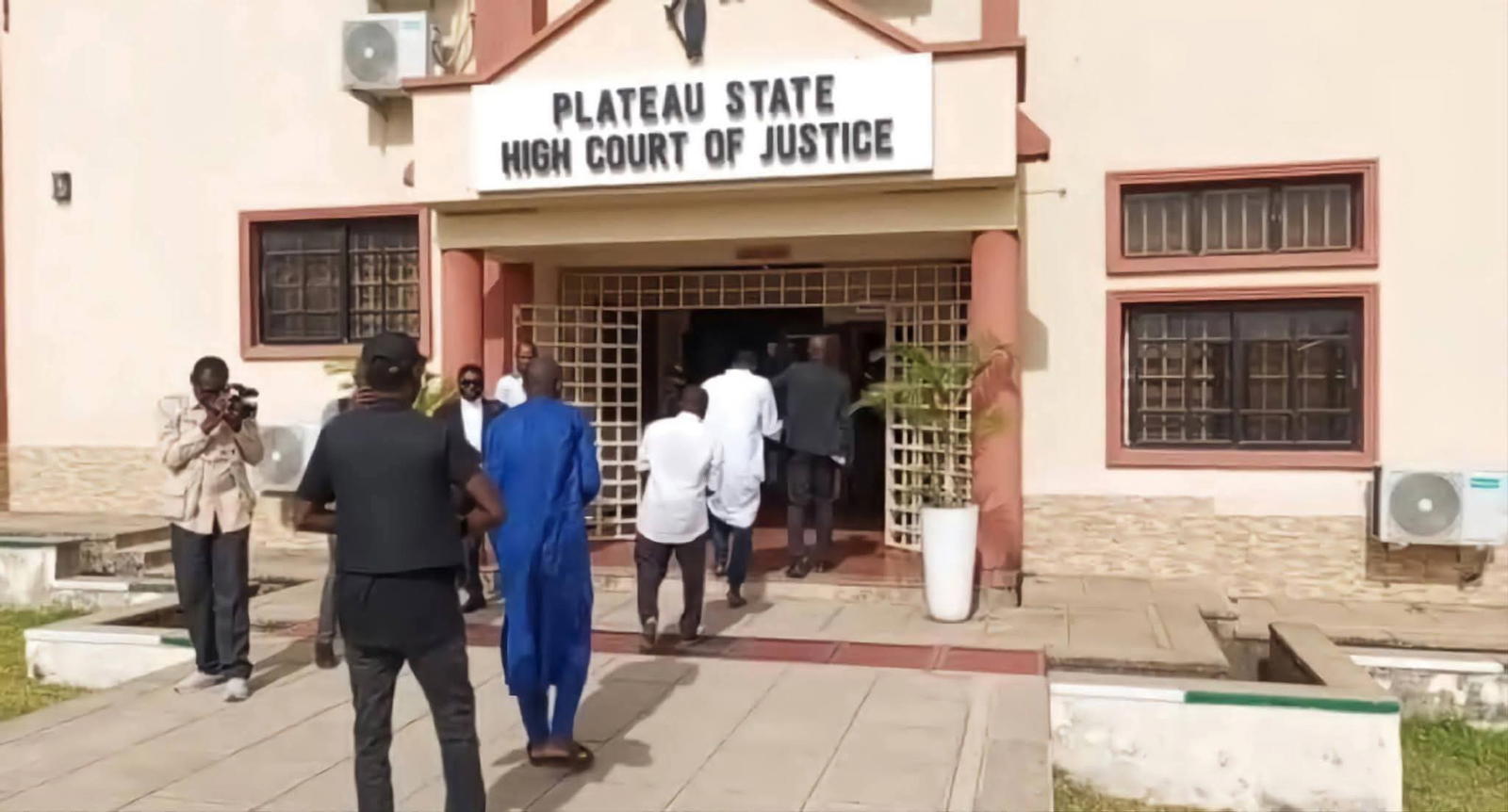
A Plateau State High Court in Jos has scheduled August 11, 2026, for rulings on two critical applications in the ongoing trial of four individuals implicated in the Angwan Rukuba killings. The first application challenges the court's jurisdiction, with the defence arguing that the charges are terrorism-related and fall under the exclusive purview of the Federal High Court, citing the Terrorism (Prevention and Prohibition) Act, 2022. The prosecution, however, contends that the defendants are being tried under the Plateau State Penal Code, making the State High Court competent. The second application seeks the transfer of one of the defendants from Department of State Services (DSS) custody to the Jos University Teaching Hospital (JUTH) for medical treatment. These rulings are pivotal, as they will determine the appropriate forum for the trial and address the fundamental right to health of an accused person, potentially impacting the trajectory of this high-profile criminal case.
Introduction
The Nigerian legal landscape is frequently shaped by complex jurisdictional disputes and the imperative to balance justice with the fundamental rights of accused persons. A significant development in this regard is unfolding at the Plateau State High Court in Jos, where Justice Gedaliah Fwomyon has set August 11, 2026, to deliver rulings on two pivotal applications concerning the Angwan Rukuba killings. These applications, challenging the court's jurisdiction and seeking medical transfer for a defendant, underscore critical aspects of criminal procedure and constitutional law in Nigeria.
The Angwan Rukuba incident, a tragic attack that occurred on March 29, 2026, in Jos North, Plateau State, resulted in the deaths of at least 27 people, drawing national attention to issues of insecurity and justice. The subsequent arraignment of four individuals—Adamu Isa Alhassan, Isa Umar Ibrahim, Auwalu Abubakar (also known as Auwalu Dogo), and Musa Abubakar Ibrahim (also known as Yaroro)—by the Plateau State Government has brought the legal process into sharp focus. The court's impending decisions will not only determine the procedural path of this particular case but also offer crucial interpretations of the interplay between federal and state criminal laws, as well as the rights of defendants in custody.
Background
In Nigeria, the authority of a court to hear and determine a matter, known as jurisdiction, is fundamental and must be expressly conferred by statute. Without proper jurisdiction, any proceedings, no matter how well conducted, are a nullity. State High Courts, established by the Constitution of the Federal Republic of Nigeria, generally possess wide original criminal jurisdiction over offences committed within their respective states. However, this general jurisdiction is subject to specific carve-outs, particularly for matters exclusively assigned to the Federal High Court by the Constitution or other federal statutes.
The Administration of Criminal Justice Act (ACJA) 2015, applicable to federal offences and in the Federal Capital Territory, and mirrored by various state Administration of Criminal Justice Laws (ACJLs), including the Plateau State Administration of Criminal Justice Law 2018, aims to promote the speedy dispensation of justice and protect the rights of suspects and victims. A key innovation of the ACJA 2015, particularly Section 396(2), sought to curb delays by mandating that rulings on interlocutory applications challenging jurisdiction be delivered concurrently with the final judgment. However, the present case indicates a pre-judgment ruling on jurisdiction, suggesting either a specific interpretation of this provision or that the challenge falls outside its strict application. Furthermore, the Nigerian criminal justice system also provides for the protection of an accused person's health and mental well-being, with provisions for medical examinations and treatment, often to ascertain fitness to stand trial or to ensure humane treatment in custody.
Analysis
The jurisdictional challenge in the Angwan Rukuba case hinges on the nature of the alleged offences. Defence counsel, Mr. M. I. Shaba, SAN, argued that the charges are terrorism-related, thereby falling under the exclusive jurisdiction of the Federal High Court as stipulated by the Terrorism (Prevention and Prohibition) Act, 2022. This argument invokes the principle that where a specific federal statute assigns exclusive jurisdiction over certain offences, even a State High Court's general criminal jurisdiction may be ousted. The Federal High Court, under Section 251(2) of the 1999 Constitution, has jurisdiction over treason, treasonable felony, and allied offences, and Section 251(3) extends this to criminal causes related to matters in Section 251(1).
Conversely, the prosecution, led by Mr. Sabo Longji, Director of Civil Litigation in the Plateau State Ministry of Justice, countered that the defendants are being prosecuted under the Plateau State Penal Code. This argument asserts that the State High Court is competent to hear the matter, as the offences, despite their gravity, are framed under state law. The resolution of this conflict will likely depend on the specific wording of the charges, whether they explicitly invoke elements of terrorism as defined by the federal Act, or if they can be adequately prosecuted solely under the state's penal provisions. Nigerian courts have consistently held that jurisdiction is determined by the originating process and the specific laws under which a defendant is charged.
Regarding the medical request, the application seeks the transfer of one defendant from DSS custody to Jos University Teaching Hospital (JUTH) for treatment. This application implicates the fundamental right to health and humane treatment, enshrined in the Nigerian Constitution and reinforced by the Administration of Criminal Justice Act 2015, which mandates humane treatment for arrested suspects. Courts have the inherent power, and sometimes statutory duty, to ensure the well-being of defendants, particularly when their health might affect their ability to participate in their defence or if there are concerns about fitness to stand trial. Section 217(1) of the Criminal Code, for instance, empowers courts to order psychiatric evaluations if there is reason to believe a person may be insane, to determine their mental fitness to stand trial and criminal responsibility. While the court is not bound by medical opinions, it must consider expert evidence in such matters.
Previous Nigerian appellate decisions, such as *Adeniji v State (2001) 13 NWLR (Pt.730) 375* and *FHA vs Kalejaiye [2010] 19 NWLR (Pt. 1226) 149*, emphasize the fundamental nature of jurisdiction, allowing it to be raised at any stage of proceedings. The outcome of the jurisdictional challenge will have profound implications for the entire trial, as a finding of lack of jurisdiction would render all subsequent proceedings a nullity. Similarly, the medical request highlights the judiciary's role in safeguarding the rights of the accused, ensuring that due process is not compromised by health concerns.
Conclusion
The Plateau State High Court's rulings on August 11, 2026, will be closely watched by legal practitioners and the public alike. For criminal defence attorneys, the jurisdictional decision will provide further clarity on the demarcation between state and federal court powers, particularly in cases involving grave offences that might straddle the line between conventional criminal acts and terrorism. A ruling in favour of the defence on jurisdiction could necessitate a transfer of the case to the Federal High Court, potentially resetting the trial process.
Furthermore, the decision on the medical transfer application will reinforce the judiciary's commitment to upholding the human rights of defendants, even in high-profile cases. It serves as a reminder that the right to adequate medical care is a non-derogable aspect of humane treatment in custody. Practitioners should pay close attention to the court's reasoning, as it will offer valuable guidance on the procedural requirements and evidentiary standards for challenging jurisdiction and making medical requests in criminal trials within Nigeria. These rulings are poised to significantly influence the administration of criminal justice, particularly in complex cases involving inter-communal violence and national security concerns.
Citations
- 1.Administration of Criminal Justice Act 2015
- 2.Adeniji v State (2001) 13 NWLR (Pt.730) 375
- 3.Constitution of the Federal Republic of Nigeria 1999 (as amended)
- 4.Criminal Code Act, Cap C38, Laws of the Federation of Nigeria 2004
- 5.Emeryl v State (1973)
- 6.FHA vs Kalejaiye [2010] 19 NWLR (Pt. 1226) 149
- 7.Guobadia v State (2004)
- 8.IKONO V. STATE (2021) 13 NWLR (Pt. 1792) 185
- 9.Madjemu v State (2001)
- 10.Nyame v FRN (2010) All FWLR (pt 527) 618
- 11.OSENI v. STATE
- 12.Penal Code (Northern States) Federal Provisions Act
- 13.Plateau State Administration of Criminal Justice Law 2018
- 14.Plateau State Penal Code
- 15.R. v. Echem
- 16.Rex v Ashigifuwo (1948)
- 17.State v. Inyang
- 18.Terrorism (Prevention and Prohibition) Act, 2022
How does this affect your business?
Get an AI analysis of this article grounded in your jurisdictions, practice areas, and any policy documents you've uploaded to Wansom.